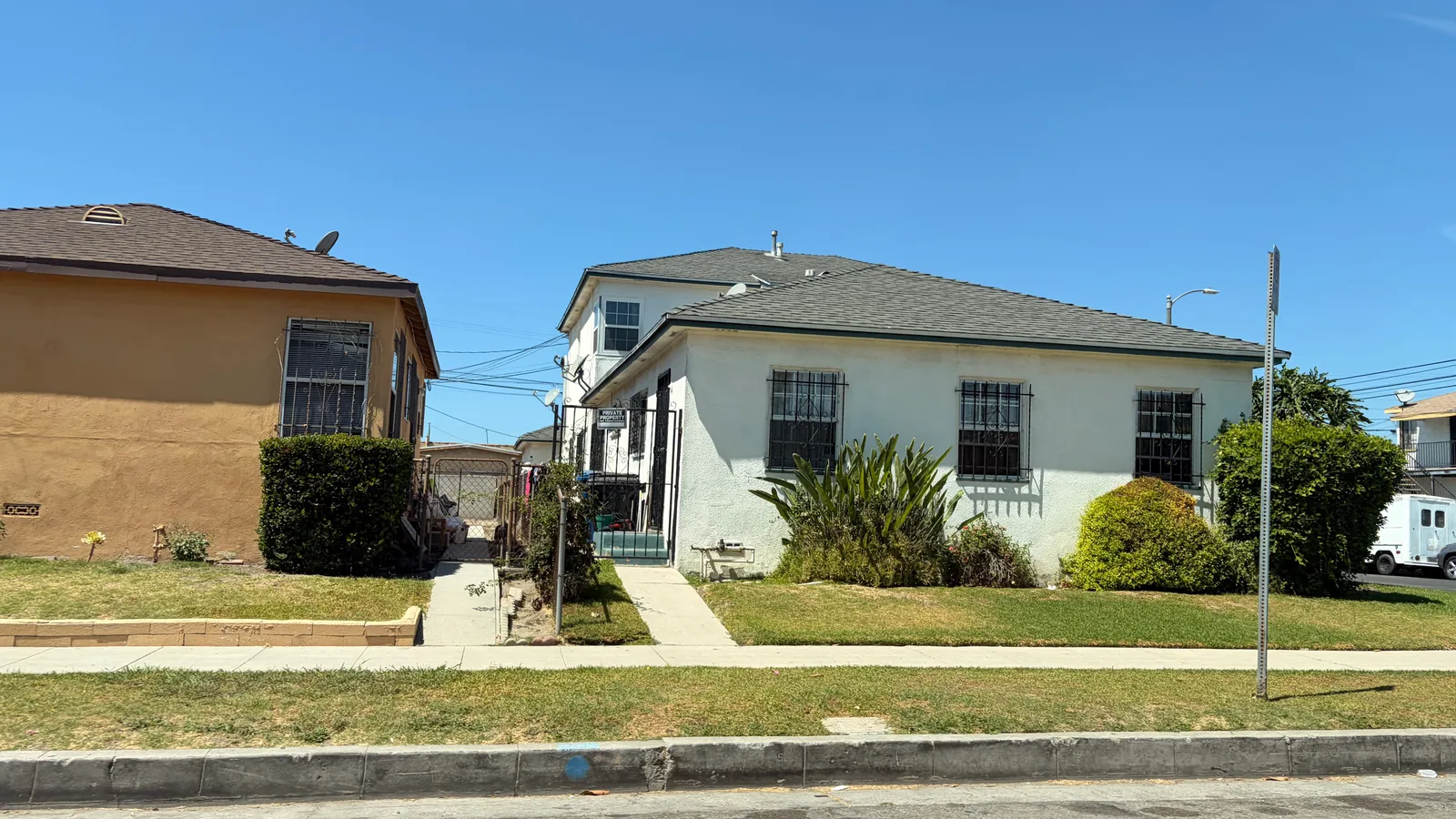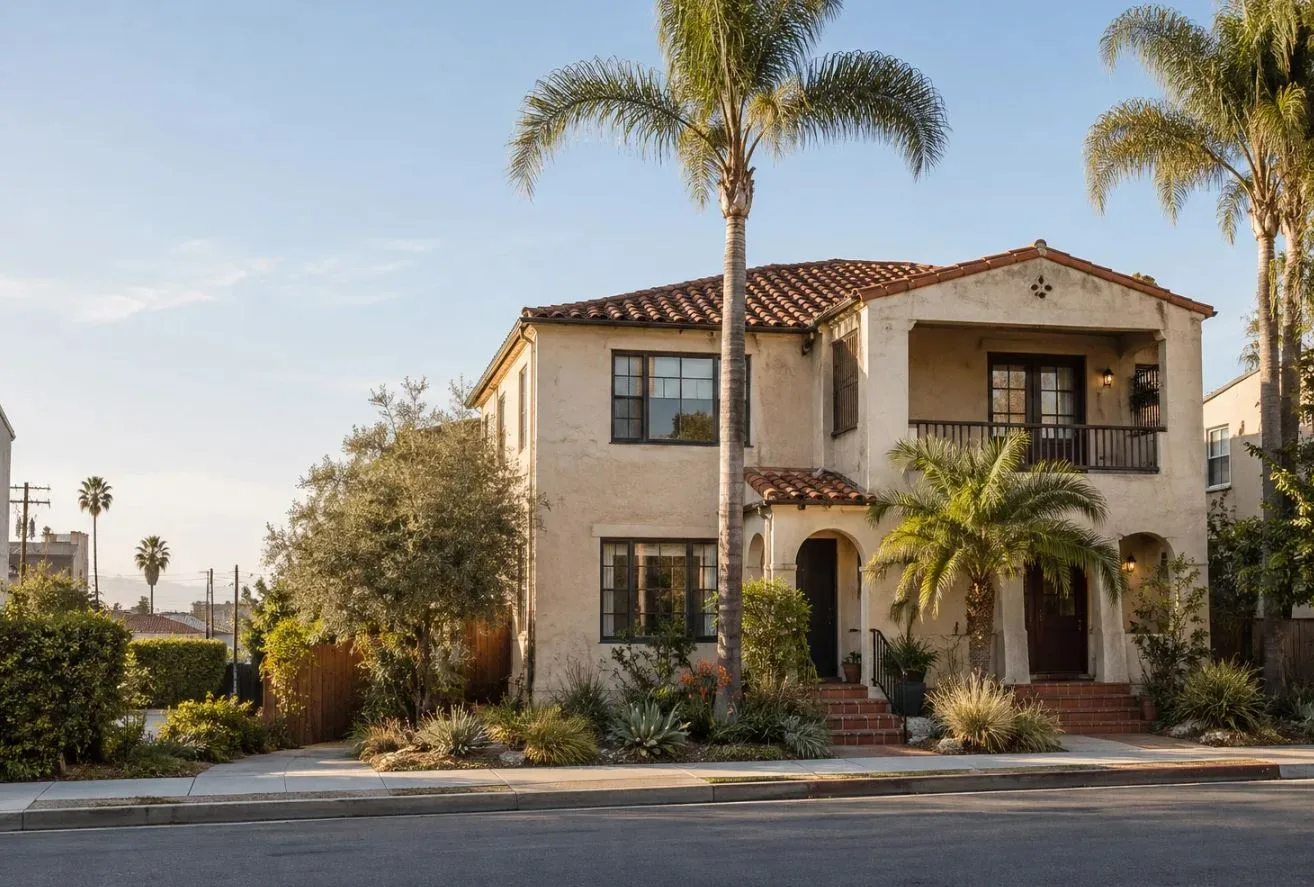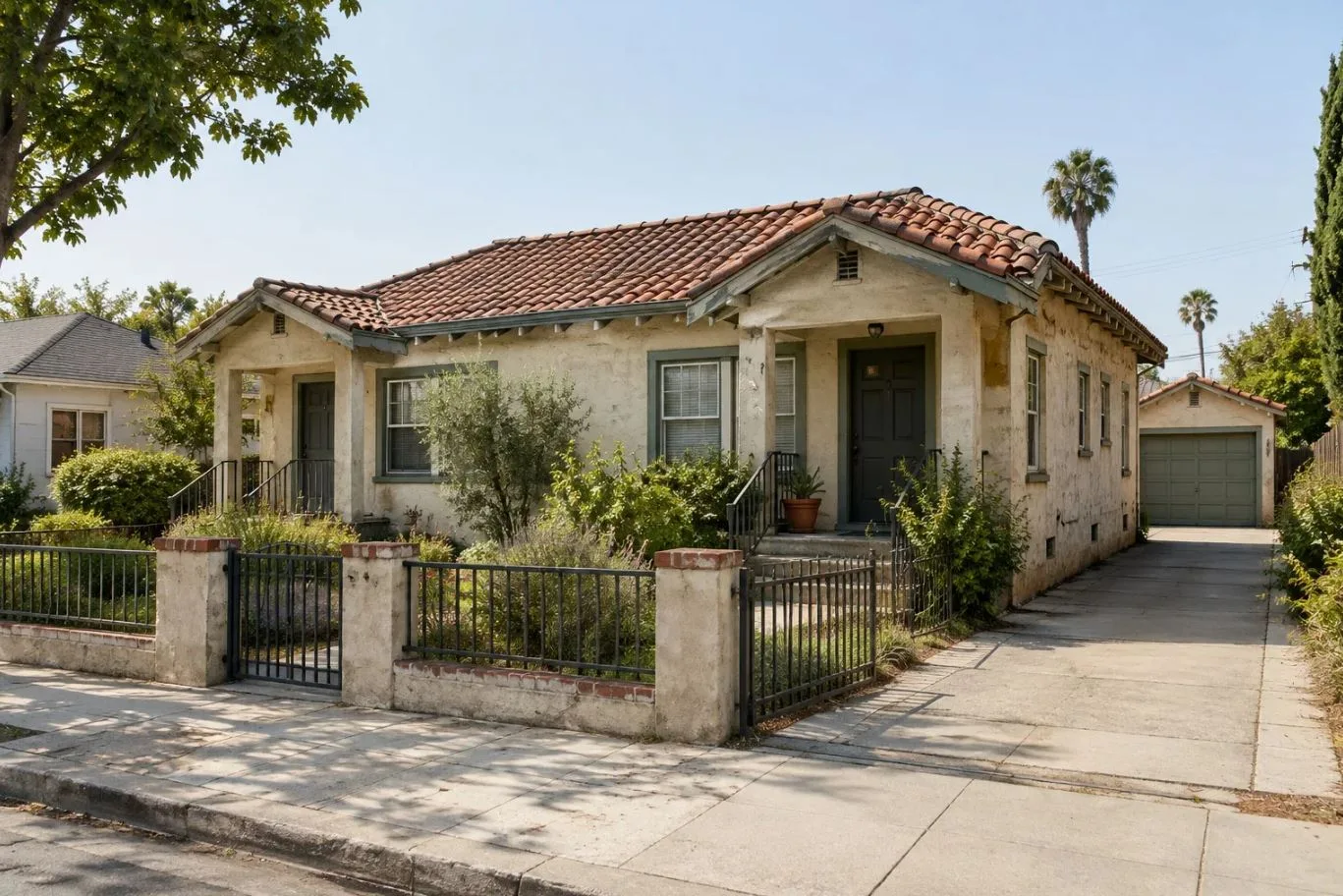
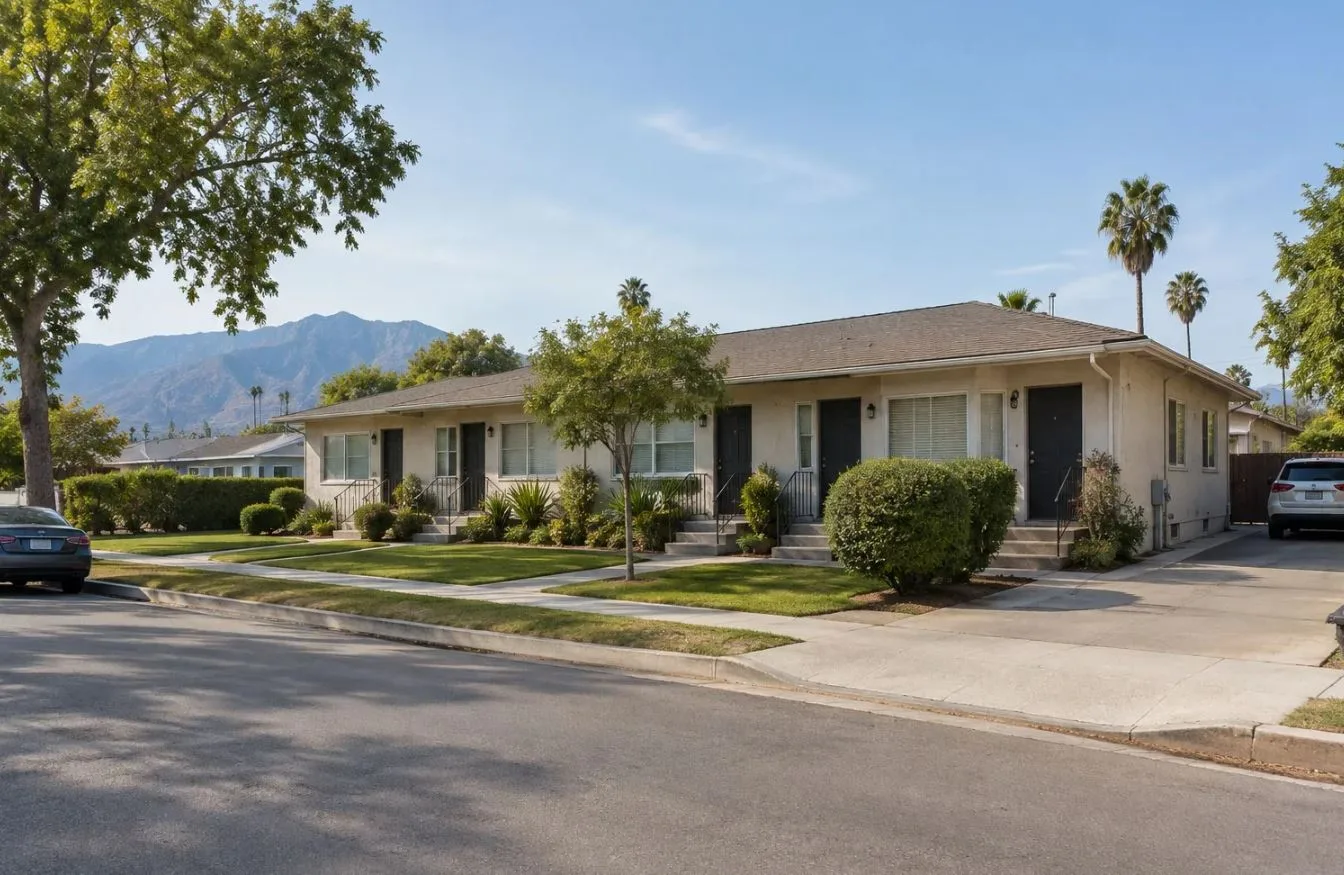
What counts as small multifamily?
A duplex has two units, a triplex three, and a fourplex four. Properties with one to four units are generally treated as residential for lending, which means owners can often use conventional or government-backed residential loans instead of commercial loans. Five units and up generally require commercial financing.
That four-unit line is one reason fourplexes are so popular: they're the largest building most buyers can finance like a house.
Duplex: pros and cons
Pros
- Lower purchase price than a fourplex in the same area.
- Owner-occupant option: live in one unit and rent the other, which may help with financing. Owner-occupied loan options generally have lower down payments than investor loans; ask your lender.
- Broader resale market: both investors and owner-occupants buy duplexes.
- Simpler to manage: one tenant, one set of issues.
Cons
- Higher vacancy impact: if one unit is empty, you've lost half your rent.
- Less income relative to fixed costs like the roof, insurance and property tax.
Fourplex: pros and cons
Pros
- More income streams: one vacancy costs about a quarter of the rent, not half.
- Economies of scale: one roof, one lot, one insurance policy over four units.
- Still residential financing, within the 1-to-4-unit rules.
- More room to add value through upgrades over time.
Cons
- Higher price and down payment.
- More tenants, more turnover and more management work.
- Narrower resale market, mostly investors.
A side-by-side example
Illustrative numbers only, not current Glendale or Burbank prices or rents:

The point of the example isn't the dollar figures. It's the risk profile: the fourplex spreads vacancy risk across more units, while the duplex costs less to get into.
Glendale vs. Burbank: what's different?
Both cities are popular with renters and have plenty of small multifamily, but the rules differ:
- Statewide: Many units in both cities are covered by AB 1482, which generally caps annual rent increases at 5% plus local CPI (10% max) and requires just cause to end many tenancies.
- Glendale runs its own Rental Rights Program and has adopted local rent rules that may be stricter than state law. Confirm the current cap and which buildings are exempt before you underwrite.
- Burbank has adopted its own local tenant protections in addition to state law.
Because the rules change, check how they apply to the specific building before you make an offer, especially if the listing advertises "below-market rents."
What to check before you buy either one
Whatever you choose, run the same checks:
- Rent roll and leases. Confirm each unit's actual rent, deposit and lease terms, and get signed tenant estoppel certificates.
- Permits. Confirm every unit is permitted. Unpermitted units, garage conversions and add-ons are common in older Glendale and Burbank buildings and can create legal and insurance problems.
- Separate meters. Separately metered utilities usually mean lower owner expenses.
- Condition. Inspect the roof, sewer line, electrical panel and plumbing, and ask whether any seismic work applies.
- Parking and laundry. Both affect what tenants will pay and how long they stay.
- Insurance quote. Get a real quote before you remove contingencies.
- Accessory dwelling units (ADUs). California law has made it easier to add ADUs on many residential lots. An ADU can change the math on a duplex, but check local rules and costs first.
Which one fits you?
A duplex may fit if you: Are buying your first rental - Want to live in one unit - Have a smaller down payment - Want an easier exit later
A fourplex may fit if you: Want more income and less exposure to one vacancy - Have a larger down payment or equity from a 1031 exchange - Plan to hold long term . Will have it professionally managed
Management makes the difference
The more units you own, the more management matters. Four tenants means more screening, more rent to collect, more repair calls and more compliance. That's where many self-managing owners burn out.
Suave Management manages small multifamily, from duplexes to 8-unit buildings, alongside single-family homes and condos in Glendale and Burbank. Suave Real Estate helps investors find and compare these properties.
- Month-to-month contracts, with no long-term commitment
- Same-day proposals
- No setup or renewal fees, and no management fee when rent isn't collected
- 24-business-hour response guarantee
- 6-month tenant placement protection
- Suave Owners app
Frequently asked questions
Is a duplex or fourplex a better investment?
Neither is always better. A duplex costs less and is easier to resell; a fourplex spreads vacancy risk and often makes more income relative to fixed costs. The right choice depends on your budget and goals.
Can I get a residential mortgage on a fourplex?
Generally yes. Properties with one to four units usually qualify for residential financing. Five or more units usually need a commercial loan.
Can I live in one unit of a duplex or fourplex?
Yes. Many buyers live in one unit and rent the others, which may give access to owner-occupied loan options. Ask your lender about requirements.
Does rent control apply to duplexes in Glendale and Burbank?
Many units are covered by California's AB 1482, and both cities have local rules. Some owner-occupied duplexes and newer buildings may be exempt. Check each property.
Do I need a property manager for a fourplex?
Not legally, but four tenants means more leasing, collections and repairs. Many owners hire a manager to save time and stay compliant.
Comparing two properties?
Send us both listings. We'll help you weigh them and send a same-day management proposal for each.
Call 818-533-8845. Suave Management · 1317 N San Fernando Blvd #195, Burbank, CA 91504