
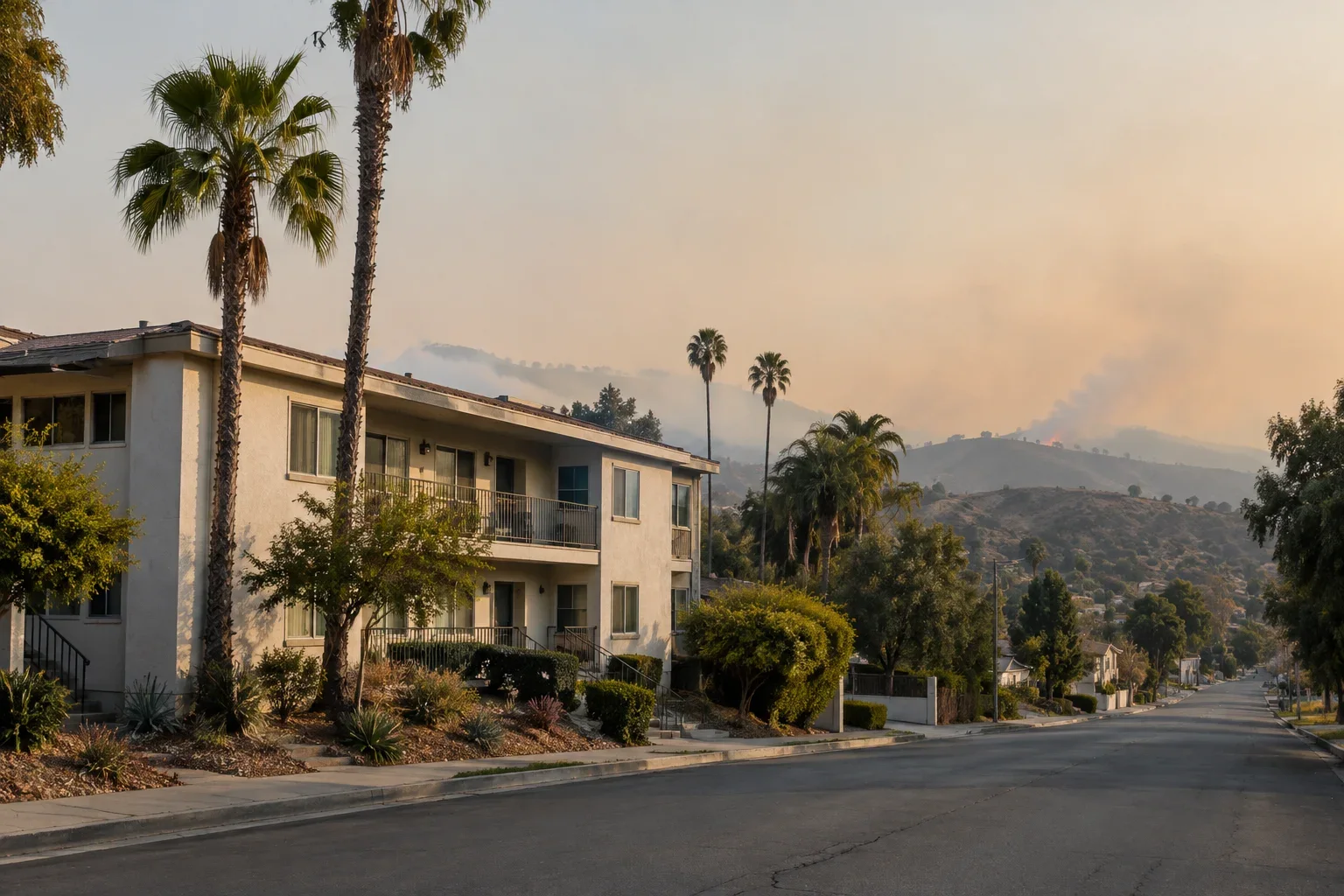
A useful wildfire evacuation plan tells residents what to do, tells owners and managers who communicates, and keeps property access and recovery details ready. For Los Angeles and San Fernando Valley rentals, write the plan before fire season and share it with residents in advance. When an evacuation order is issued, life safety comes first: residents should leave promptly and follow official instructions, not wait for a property manager’s approval.
Set decision-making and communication roles
Decide who monitors alerts, who contacts residents, and who can authorize property-related actions such as calling a vendor. Name a backup for each role, and make sure everyone has current phone numbers and access to the relevant records. Owners who want help coordinating resident communication and residential property management services should clarify emergency responsibilities in writing.
Use a simple escalation procedure:
- When a warning is issued: Send a concise message that tells residents to prepare, gather essential items, check on household members and pets, and monitor official instructions. Residents who need extra time to evacuate should consider leaving early.
- When an order is issued: Tell residents to leave immediately and follow directions from emergency personnel. Do not ask them to stay behind to secure the property or wait for management.
- If contact fails: Try the resident’s backup contact method and notify your designated property representative. Do not send staff or vendors into an evacuation area to check on the building.
Keep messages accessible and clear. Confirm preferred contact methods in advance, and consider language or disability-related communication needs without asking residents to delay evacuation.
Choose reliable alert sources and explain terms
Residents and property contacts should sign up for the official county alert system and the city’s notification system where the property is located. Enable Wireless Emergency Alerts on phones, and identify how to receive official updates if cell service or power fails. A social media post or neighbor’s message can be a prompt to check, but should not replace instructions from authorities.
Explain the difference between an evacuation warning and an evacuation order in the plan. A warning signals a potential threat and time to prepare; people who need more time, including residents with pets or access needs, may choose to leave early. An order means leave now. Terminology and procedures can vary by jurisdiction, so residents should follow the specific instructions they receive from local officials.
Include the property address, any known evacuation-zone information, and a reminder to learn more than one route out of the neighborhood. Avoid promising a specific route or destination will remain open; conditions can change quickly.
Give residents practical steps for people, pets, and keys
Keep instructions short enough to use under stress. Residents should prioritize people, pets, medications, essential documents, phone chargers, and a few necessary belongings. Encourage them to prepare carriers, leashes, food, water, and pet identification in advance. They should not return for forgotten items after leaving.
Clarify key handling before an emergency. Residents should take their keys when evacuating and should not hide keys outside or leave a door unsecured to make access easier. Tell them how to report that they have evacuated, if it is safe to do so, and where updates will be posted. Never require residents to hand over keys as a condition of leaving.
For owners and managers, maintain a current access record: who holds authorized keys, how a designated representative can enter when permitted, and how to reach the alarm, utility, and gate contacts. Share access only with authorized people. Keep a current vendor list with after-hours numbers and backup providers for restoration, tree removal, board-up, and utility work. Tell vendors not to enter a closed area or begin work until authorities permit access.
Prepare records before an evacuation
Good rental property maintenance planning includes knowing the property’s condition before an emergency. Keep dated photos or video of each unit and common area, plus an inventory of major appliances and visible damage or repairs. Store copies securely off-site or in a backed-up system. Keep insurance details, ownership and management contacts, resident contact information, and vendor records accessible to the authorized decision-maker.
Make a brief property sheet with the address, unit numbers, utility shutoff locations, building access details, and known hazards. Do not expect residents to operate unfamiliar shutoffs or take risks to protect the building. Any planned utility work should be handled by qualified people when it is safe and allowed.
Re-enter only after clearance, then document
An evacuation order or access restriction is not over just because flames are no longer visible. Wait for authorities to lift restrictions and confirm the area can be entered. Do not send a resident, manager, or contractor back to inspect early.
Once re-entry is permitted, approach cautiously. Look for downed power lines, unstable structures, smoke, hot spots, damaged utilities, and other hazards. If anything appears unsafe, leave and contact the appropriate emergency or utility service. Arrange qualified inspections or repairs where needed.
Before cleanup or repairs change conditions, photograph and record visible damage when it is safe to do so. Keep dates, notes, vendor findings, work orders, receipts, and communications together. Update residents about whether the unit can be occupied and what steps are next; seek qualified legal or insurance advice when questions about habitability, coverage, or obligations arise. A prepared plan gives everyone a clearer next step without putting people at risk.