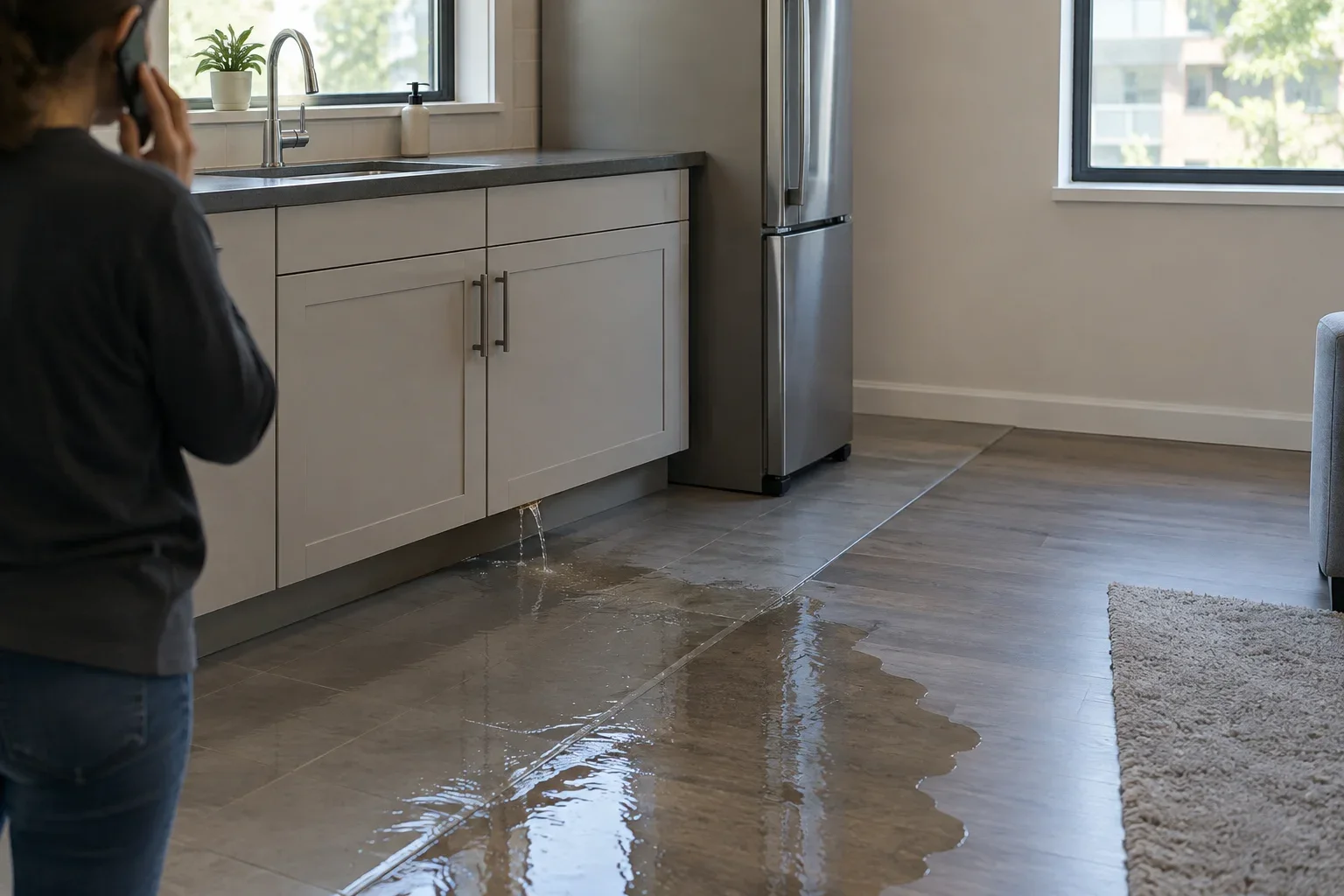
In Valley Village and across nearby Los Angeles neighborhoods, repair requests can arrive at any time, from a dripping sink to a heating outage. A consistent workflow helps residents feel heard, keeps owners protected, and reduces disputes by documenting decisions and outcomes.
This playbook is designed for Suave-style Residential Property Management Valley Village operations, covering intake through completion, including triage, scheduling, lawful entry considerations, and maintenance documentation. It is educational only, and you should confirm lease terms and consult legal counsel for your specific situation.
1) Intake: Capture the right details the first time
When a renter submits a request (portal, email, or text), the goal is to quickly convert a message into repair-ready information.
What the intake team should request
- Photos and short videos: At least 2 to 4 images when available, plus any leak sources, warning lights, or damaged areas.
- Location and scope: Room, fixture name, and how widespread it is (for example, bathroom sink only versus multiple drains).
- Symptoms and timeline: What changed, when it started, and whether it is getting worse.
- Occupant safety notes: Any fumes, standing water, sparks, electrical shocks, or fire alarm activity.
- Access availability: When the tenant can provide entry and whether there is a preferred contractor access window.
- Utilities and shutoffs: For water issues, ask if the tenant can locate the main shutoff and whether turning off causes additional risk.
2) Triage: Prioritize safety, habitability, then cosmetic items
Not all repairs carry the same urgency. Triage determines whether you schedule an emergency response, a same-day visit, or routine maintenance.
Use three tiers
- Life safety (Emergency): Active electrical hazards, gas concerns, fire alarms, flooding that could affect electrical systems, blocked egress, or conditions that can endanger occupants.
- Habitability (High priority): Issues that substantially affect safe and sanitary living, such as major plumbing failures, unsafe water intrusion, or conditions that may be considered substandard under California Housing standards frameworks (for example, if they endanger life, health, property, safety, or welfare).
- Cosmetic and minor function (Routine): Non-urgent items like worn paint, minor hardware issues, or cosmetic caulking that does not affect water containment.
Suggested response-time targets (operational, not legal)
- Emergency: Contact tenant immediately, dispatch on priority, and coordinate licensed emergency trades as needed.
- Habitability: First response within 2 to 4 hours during business hours, and schedule an on-site assessment within 24 to 48 hours depending on severity and parts availability.
- Routine: A status update within 1 business day, scheduling within 5 to 10 business days.
If the repair request involves legal timelines for “reasonable time” after notice or other habitability mechanisms, treat your workflow as a safety and documentation baseline and consult legal guidance for timing decisions. California law includes tenant remedies tied to notice and repair timelines, so manager consistency matters.
3) Entry and scheduling: Coordinate access without creating compliance risk
Scheduling repairs is both a customer service step and a legal risk control step. In California, landlord entry rights and notice rules are governed by Civil Code Section 1954. Except for emergencies and certain limited exceptions, entry generally requires written notice and must generally occur during normal business hours unless the tenant consents otherwise at the time of entry.
How Suave should schedule entry
- Confirm whether it is truly an emergency: If you cannot explain why it cannot wait, treat it as a non-emergency and plan compliant notice.
- Provide written entry notice when required: Include the scheduled date, approximate time, and reason for entry, and document how the notice was delivered.
- Offer a tenant-friendly access window: Ask for 2 to 3 appointment time ranges so you can reduce missed visits and keep the repair moving.
- Document consent if needed: If the tenant agrees to a time outside normal business hours, record that consent in your system.
For emergency situations, prioritize safety and licensed assistance. Still, document what you did, why it was urgent, and the outcome. Keep the entry reason specific. Avoid labeling routine issues as emergencies purely to bypass notice rules.
4) Contractor coordination: Scope, estimate, and approval before work starts
Once triage routes the request, maintenance and contractors need a tight scope to avoid rework.
Standard work packet for contractors
- Tenant intake summary, photos, and symptom timeline
- Property address and access instructions
- Priority tier (life safety, habitability, routine)
- Expected start window and whether owner approval is needed
- Any suspected causes (for example, “possible condensate drain blockage” for HVAC water concerns)
Owner approval workflow (simple and repeatable)
- In-house repairs: Dispatch and complete without additional approvals when within pre-approved thresholds.
- Contractor work: Request an estimate, document scope and parts, and notify the owner before scheduling unless it is emergency life safety or urgent leak containment.
- Escalation rule: If the contractor discovers additional damage, pause and confirm revised scope and cost with the owner.
5) Closeout: Document completion to prevent disputes and strengthen future operations
After the work is done, close the loop with both the tenant and the owner. In Los Angeles and the San Fernando Valley, documentation quality reduces friction when conditions change or costs are reviewed.
Closeout checklist
- Completion photos: Before and after, plus proof of repairs where applicable.
- Repair log: Date/time started and completed, contractor name and license status if collected, parts used, and labor summary.
- Tenant confirmation: Ask whether the issue is resolved and whether they noticed any temporary disruption.
- Owner reporting: Itemized expenses, reason for work, and any follow-up maintenance recommendations.
- Update the maintenance history: Tag the issue category so repeated problems (for example, leaks or drain backups) are visible for preventive planning.
If you want a consistent system that keeps renters safe and owners informed, Suave recommends standardizing intake questions, using clear triage tiers, scheduling entry with Civil Code 1954 in mind, and maintaining a repair record trail from request to closeout. For property-specific questions, consult a qualified attorney or housing professional.
Need help building this into your current process? Suave Management can support repair coordination for properties across Valley Village and nearby LA neighborhoods. Call (818) 533-8845 or email [email protected].