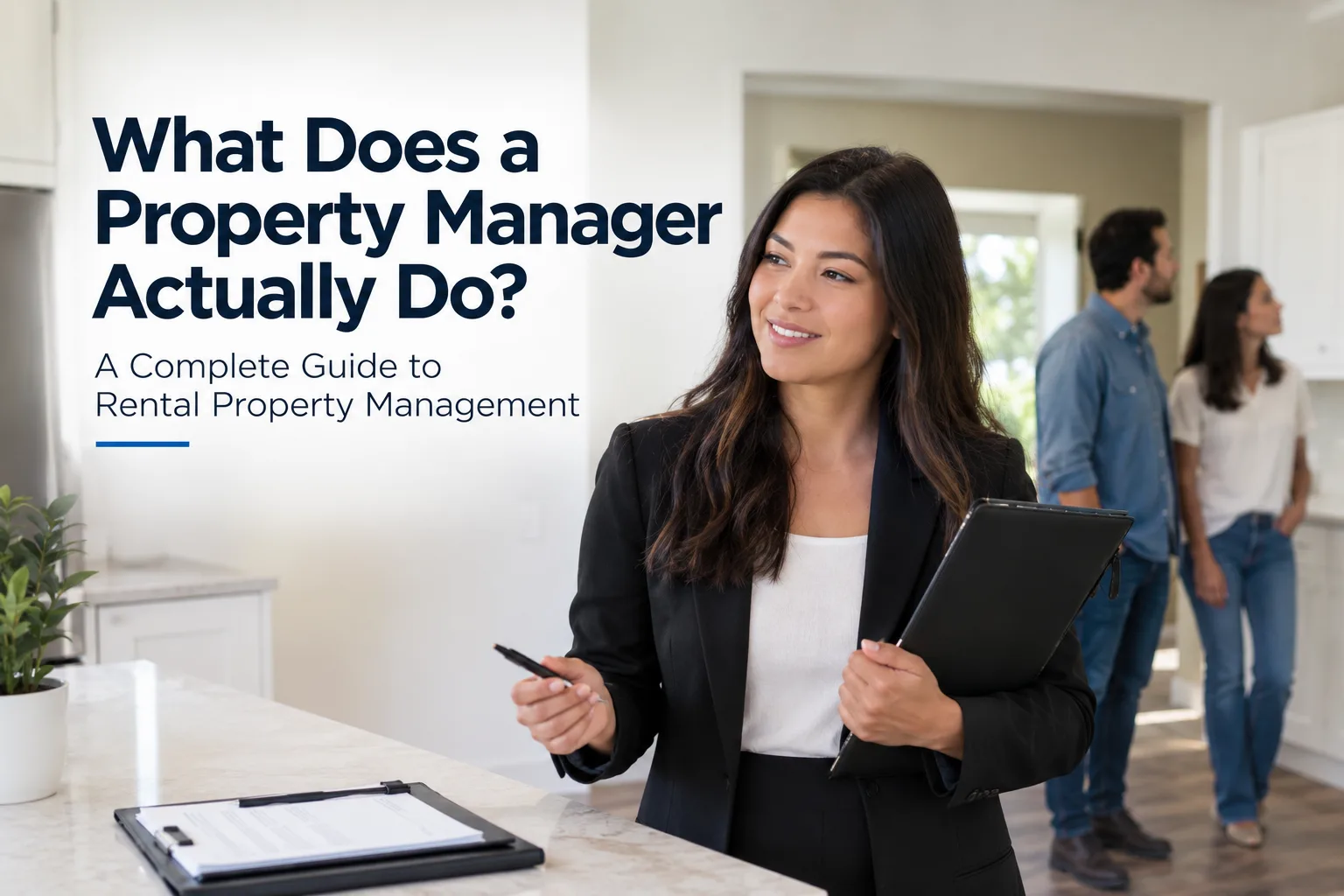
If you own rental property, you have probably asked yourself what does a property management company do and whether hiring one is really worth the cost. The short answer is that a good property manager takes the daily stress of owning rental real estate off your plate, from finding tenants to handling emergency repairs at midnight. At Suave Management, we work with owners across Los Angeles who want their properties to run smoothly without having to manage every detail themselves.
Marketing and Tenant Placement
One of the first things a property manager handles is filling vacancies. This includes professional photography, writing compelling listings, syndicating them across major rental sites, and fielding inquiries from prospective tenants. Once interest is generated, the manager schedules showings, screens applicants through background and credit checks, verifies income and rental history, and selects tenants who are likely to pay on time and take care of the property. This process alone saves owners countless hours and reduces the risk of costly tenant turnover.
Rent Collection and Financial Reporting
Collecting rent on time, every month, is one of the most important jobs a property manager performs. This includes setting up convenient online payment systems, enforcing late fees when necessary, and handling the sometimes uncomfortable process of following up with tenants who fall behind. Owners also receive detailed monthly and annual financial statements that track income, expenses, and profitability, making tax season and long-term financial planning far less stressful.
Maintenance and Repairs
Maintenance requests do not wait for convenient business hours, which is why most management companies offer 24/7 emergency response. A property manager coordinates with a network of trusted, licensed contractors and vendors to handle everything from a leaking faucet to a broken HVAC system, often securing better pricing than an individual owner could negotiate alone. Routine inspections are also scheduled to catch small issues before they become expensive problems, protecting the long-term value of the property.
Legal Compliance and Risk Management
Landlord-tenant law is complex and varies significantly by city and state. A property manager stays current on fair housing regulations, lease requirements, eviction procedures, and local rent control ordinances, helping owners avoid costly legal missteps. When disputes do arise, having a knowledgeable third party handle communication and documentation protects the owner and keeps the process professional and by the book.
The Full Scope of the Job
When you look at property management services explained in full, it becomes clear that the role goes far beyond simply collecting rent. It covers marketing, leasing, accounting, maintenance coordination, legal compliance, tenant relations, and long-term asset strategy. A quality manager acts as an extension of the owner, making decisions that protect both the property's condition and its profitability, while giving owners back the time and peace of mind that comes from not having to handle every call and crisis personally.
Why Owners Choose a Full-Service Manager
For owners with multiple units, out-of-state properties, or simply limited time, working with a full-service property manager LA owners trust makes a measurable difference in both stress levels and returns. Understanding what does a property management company do on a day-to-day basis helps owners see why this level of support is worth the investment. Instead of juggling spreadsheets, vendor calls, and tenant complaints, owners can rely on a dedicated team to handle the operational side of the business while they focus on growing their portfolio or enjoying their free time.
Communication and Tenant Relations
Good property management is also about relationships. Managers act as the main point of contact for tenants, handling questions, complaints, and lease renewals in a way that keeps residents satisfied and reduces turnover. Happy, well-communicated-with tenants tend to stay longer, pay on time, and take better care of the unit, which directly benefits the owner's bottom line. A manager also mediates conflicts between neighbors, enforces community rules fairly, and ensures move-in and move-out inspections are documented properly to protect security deposits and avoid disputes.
The Bottom Line
So, what does a property management company do in practice? It handles nearly every responsibility that comes with owning rental property, from marketing and tenant screening to maintenance, accounting, and legal compliance. The right partner does not just manage a building; they protect and grow your investment. If you are ready to simplify property ownership and maximize returns, Suave Management is here to help you every step of the way.