When a renter reports mold, a musty odor, damp materials, or a leak, acknowledge the concern promptly and arrange a site assessment. Do not assume what caused it, dismiss it because the area looks small, or promise a diagnosis before the facts are known. Document what was reported, coordinate access lawfully, address any active water intrusion, and follow through until the moisture source and affected materials have been dealt with.
Start with a calm, specific response
Thank the renter for reporting the condition and confirm when you will follow up. Ask for information that helps locate and assess the issue, without asking the renter to identify the mold or determine responsibility.
- Where is the concern, and when was it first noticed?
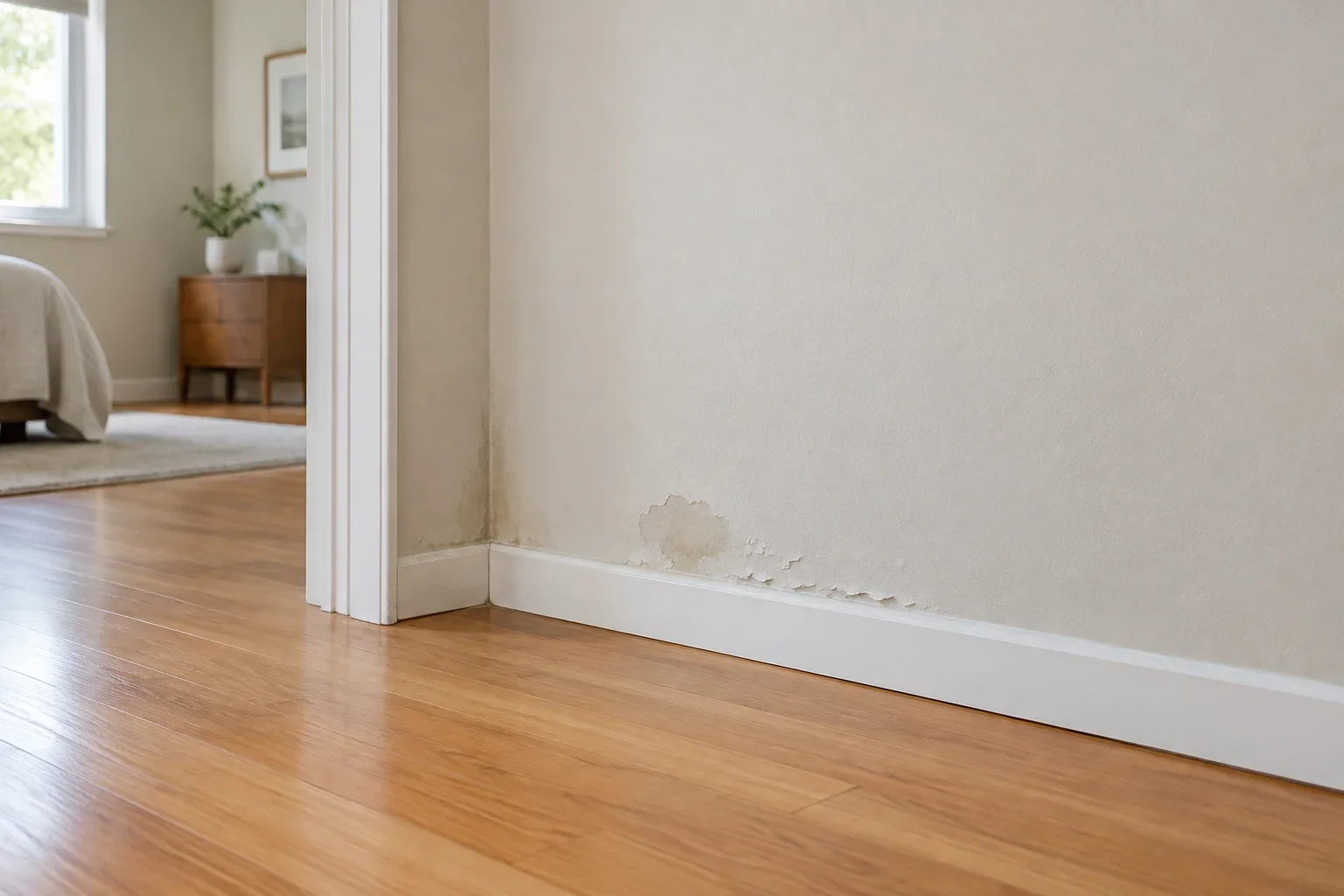
- Is there visible water, a stain, peeling paint, dampness, or a musty odor?
- Is the condition changing, spreading, or returning after cleanup?
- Has there been a recent leak, overflow, roof issue, plumbing repair, or water intrusion?
- Can the renter share photos or video, if convenient?
Ask whether water is actively entering or whether a fixture is leaking now. If so, arrange prompt assistance to stop the flow and limit further damage. For other reports, avoid making a cause or health-risk determination from photos alone. California health guidance identifies visible moisture, water damage, mold, and mold odor as signs that merit attention. It also notes that finding and correcting moisture is central to preventing mold growth.
Keep communications factual and non-accusatory. For example: “Thank you for letting us know. We are arranging an assessment to understand the condition and identify any moisture source. We will coordinate a time to access the area and update you on next steps.”
Arrange access and a useful assessment
Coordinate a specific visit with the renter and follow California’s entry rules. For nonemergency repairs or inspections, landlords generally need reasonable written notice and must enter during normal business hours; 24 hours is generally presumed reasonable. Exceptions apply, including emergencies and entry agreed to by the renter. Apply the rule to the actual purpose of the visit, and review the lease and current law if circumstances are unclear. See our guide to California rental entry and inspection rules.
Choose an experienced building or moisture professional whose scope matches the problem. Ask what areas will be inspected, whether they can investigate likely moisture sources, what written findings they will provide, and whether the work requires a licensed contractor. California does not require state licensing or certification specifically for mold assessors or remediators, so check relevant experience, references, insurance, and any contractor license required for proposed work.
Do not assume a mold test is the necessary first step. California Department of Public Health guidance says that when mold or dampness is already visible or there is a mold odor, testing to identify mold type or measure levels may not provide useful health information. An assessment should focus on observed conditions and finding the source. If the source is hidden, the professional can explain whether further investigation is warranted and what it involves.
Fix the moisture source, then verify the work
A surface cleanup alone may not solve the problem. Depending on the findings, the source could involve a plumbing leak, roof or window intrusion, drainage, condensation, or ventilation. These are possibilities to investigate, not conclusions to assign in advance.
Ask the professional or contractor for a written scope that identifies the suspected source, proposed repairs, affected materials, protective measures, and how the work will be checked. The response may include stopping a leak, drying the area, and cleaning or removing materials that cannot be effectively cleaned. Avoid treating paint or a surface biocide as a substitute for correcting dampness and addressing damaged materials.
After work, confirm that the moisture source was addressed, affected materials were appropriately cleaned or removed, and remaining materials are dry and free of visible mold and mold odor. CDPH notes that no mold test or measurement establishes whether remediation was successful; completion should be judged by the condition and moisture control, with professional guidance as appropriate. If the odor or dampness returns, reopen the issue and investigate further rather than simply repeating cosmetic work.
Document the timeline and know when to seek help
Maintain one file with the original report, messages, photos, access notices, inspection findings, estimates, approvals, invoices, repair details, and follow-up observations. Record dates and who handled each step. This helps owners and managers track open work, communicate consistently, and see whether a condition has recurred. For a broader maintenance process, use a rental property maintenance checklist.
Renters should report concerns in writing when possible, describe what they see or smell, keep copies of messages, and coordinate reasonable access for assessment and repair. If the owner or manager does not respond within a reasonable time, a renter may contact the local city or county housing, health, or code enforcement agency to ask which office handles the concern. In California, dampness and certain visible mold conditions can be relevant to housing-code enforcement; the facts and applicable standards matter.
Seek medical advice from a qualified health professional for symptoms or health questions. Consult a California landlord-tenant attorney about disputed responsibility, threatened legal action, habitability concerns, or questions about notices and remedies. This article is general information, not legal or medical advice.