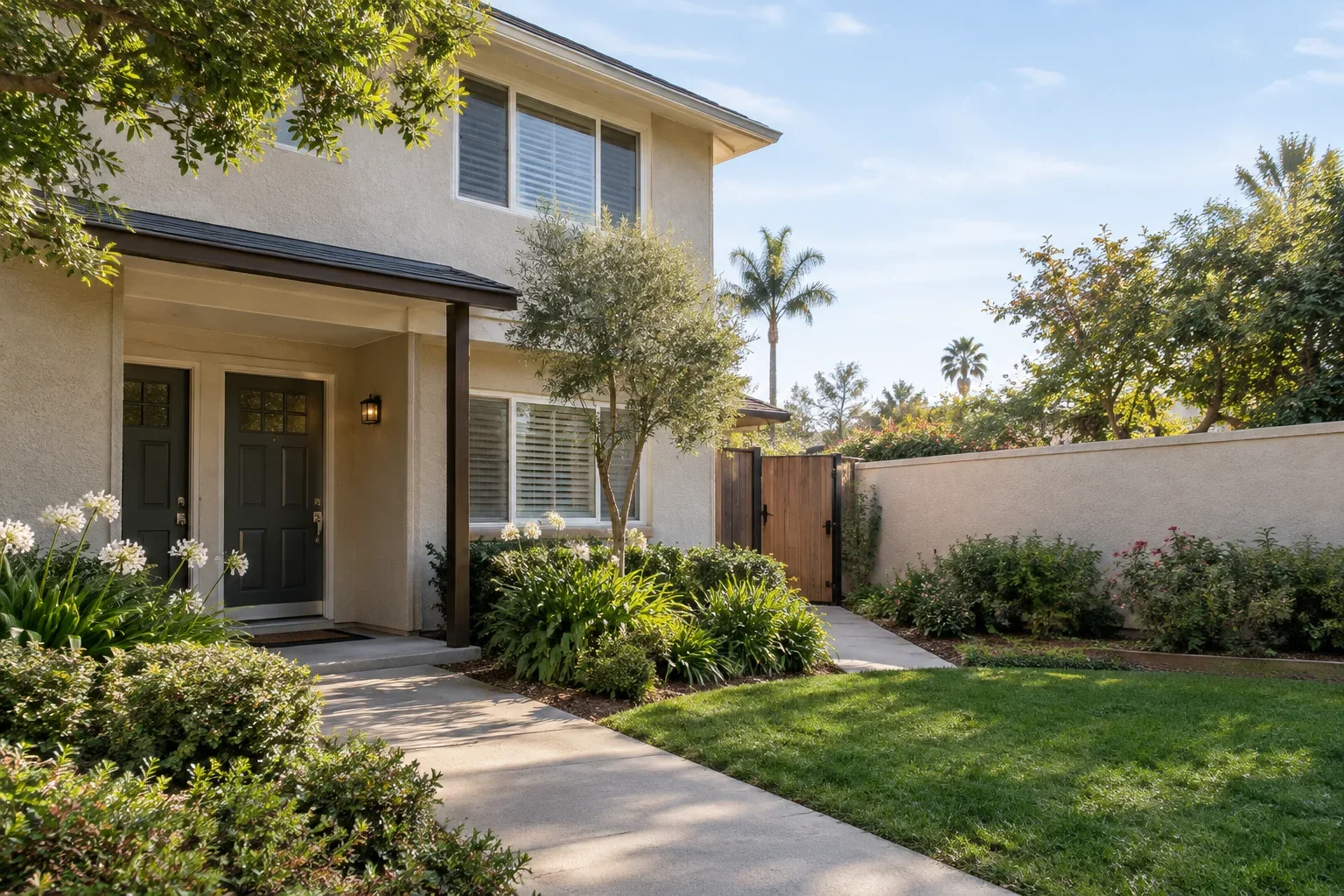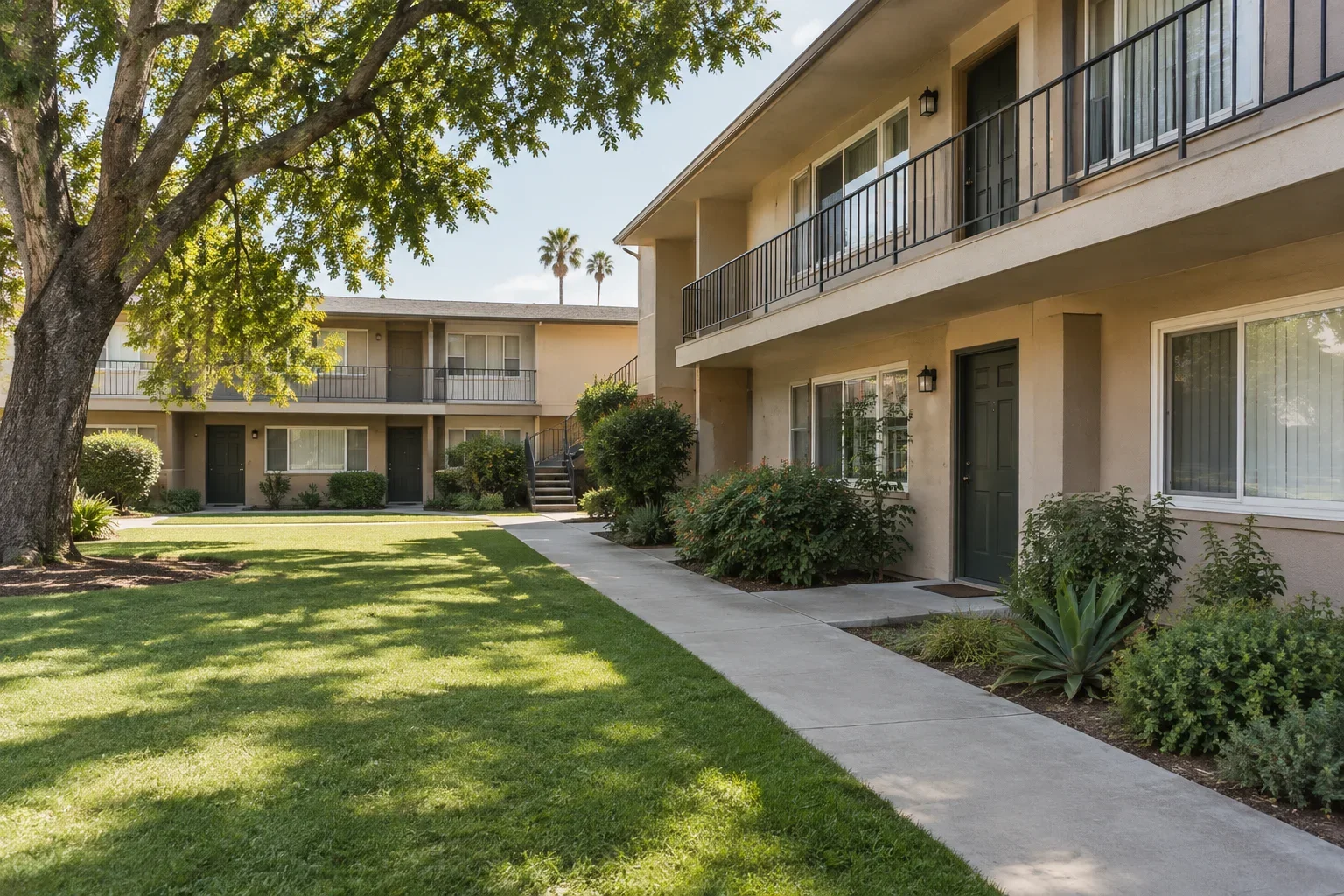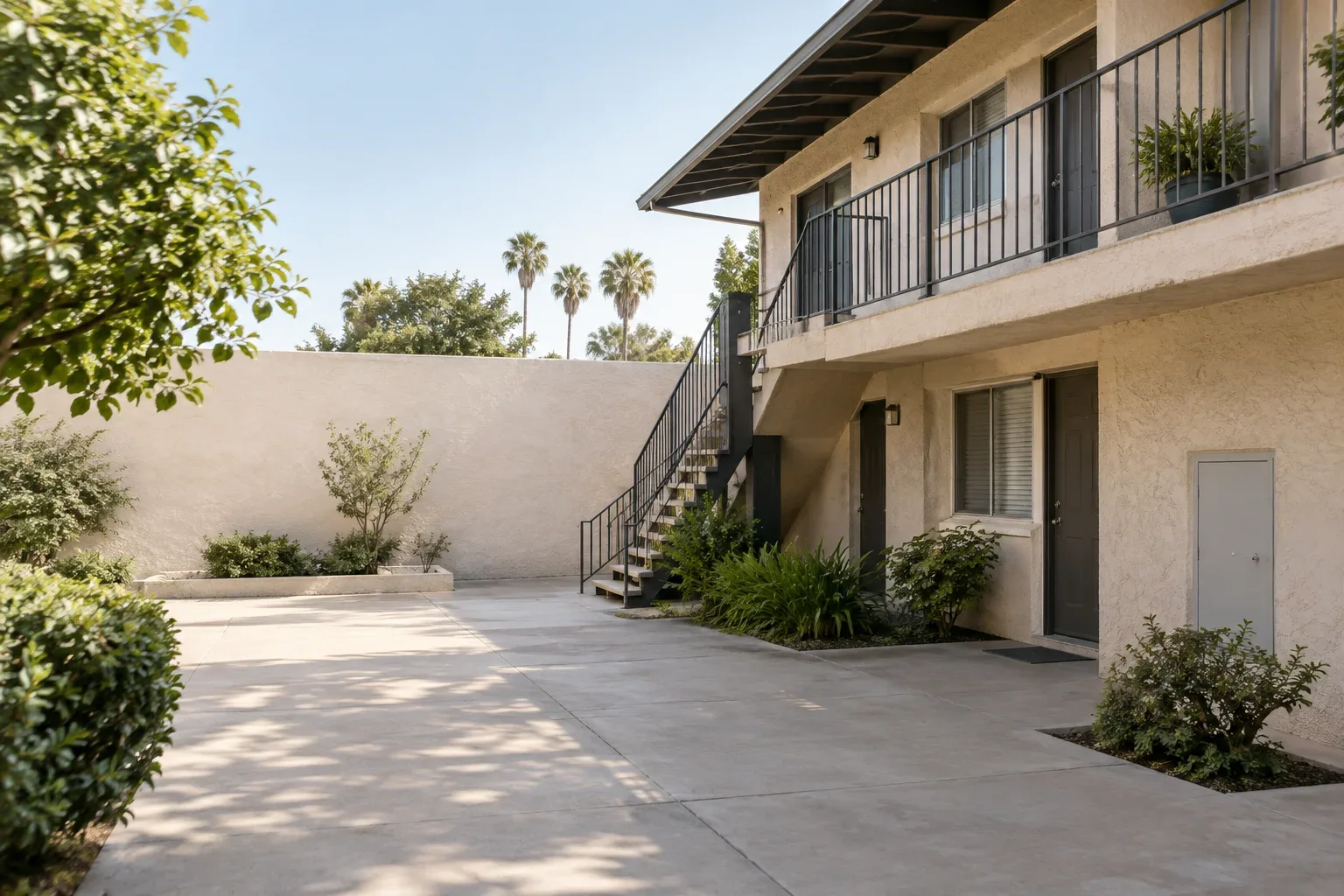
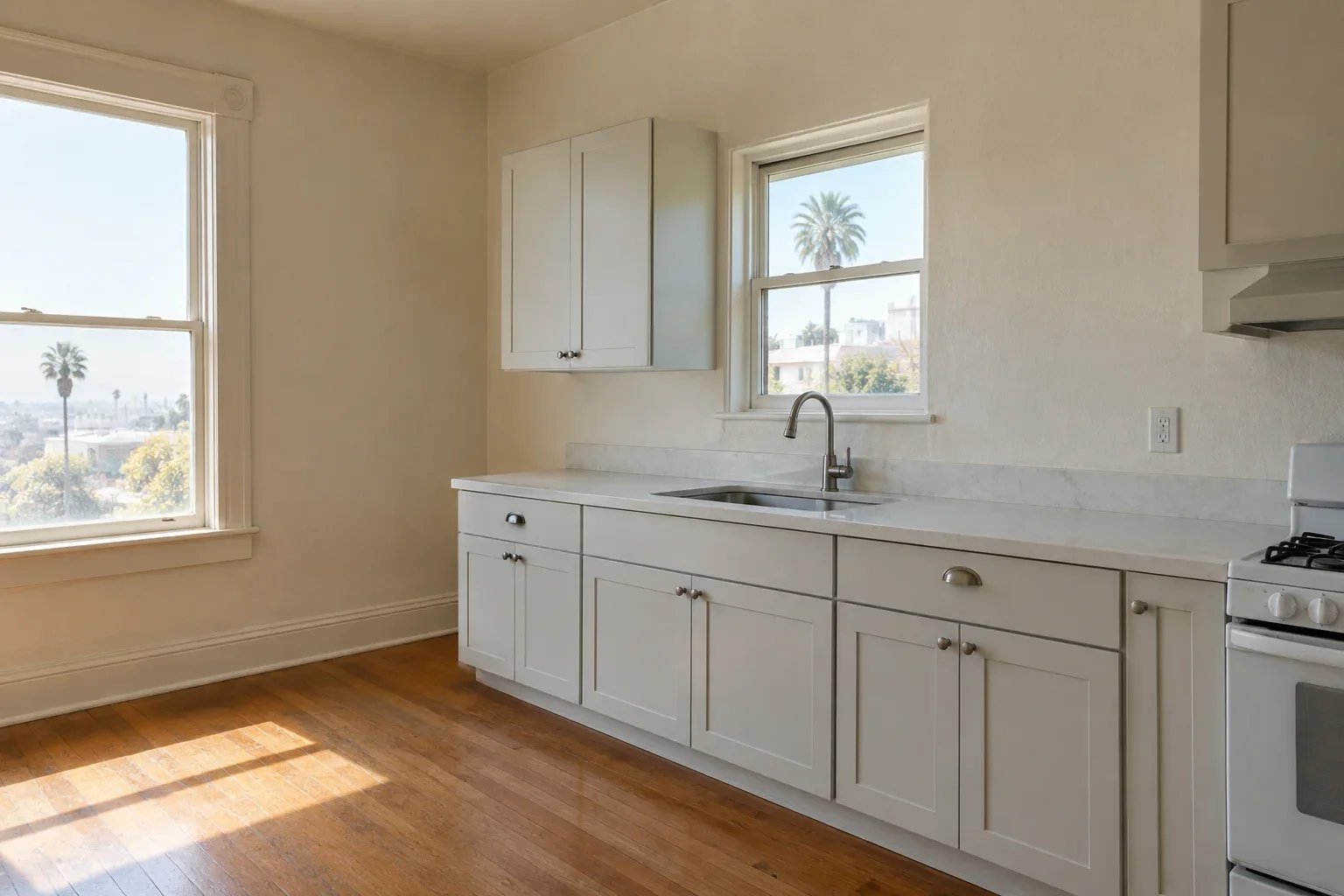
When work is done on a rental, save more than the final invoice. A useful project file shows what was planned, what changed, who did the work, what it cost, and when it was completed. That record helps you distinguish routine maintenance from a possible capital improvement and gives your tax professional facts to evaluate. The distinction depends on the work itself, not just the project name or invoice label.
Start With the Work, Not the Label
For federal tax purposes, the IRS generally treats a cost as an improvement when it betters the property, restores it, or adapts it to a new or different use. Routine repairs and maintenance may be treated differently, but a project’s full scope matters. Replacing a small damaged component may differ from replacing a major building system; painting on its own may differ from painting included in a substantial renovation.
Use these questions to describe the project clearly, not to make a final tax determination:
- Did it add or upgrade something? Note new capacity, expanded space, a changed layout, or a new feature.
- Did it restore a major part? Record whether substantial components were replaced or the property was brought back to like-new condition.
- Was it routine upkeep? Describe the specific worn or broken item repaired and whether the work simply kept the property in ordinary operating condition.
- Was it part of a larger job? Record related work together. A collection of tasks may need to be evaluated as one project rather than as isolated invoices.
For example, document whether a plumbing visit addressed one leak or was part of a broader bathroom renovation. The description helps your tax professional assess the facts. It does not settle the tax treatment by itself.
Build a File for Each Property and Project
Keep records organized first by property, then by project. A consistent folder structure might be: property address, year, project name. Save digital copies in a backed-up location and retain original paperwork when appropriate. If you own several rentals, avoid a single folder of mixed receipts.
For each job, collect:
- Scope and approvals: Save the initial request, written scope of work, estimates, signed contract, change orders, and completion notes. Include the reason for the work and the area or system affected.
- Permits and inspections: Keep permit applications, issued permits, inspection results, and final approvals when required. Permit requirements depend on the project and jurisdiction. Check with the building department serving the property before work begins.
- Invoices and payment proof: Save itemized invoices showing labor, materials, dates, and contractor details, along with canceled checks, bank or card records, and payment confirmations. Keep deposits and progress payments tied to the same project.
- Before-and-after evidence: Take dated photos of the condition before work, concealed areas when practical, and the finished result. Add brief captions so someone reviewing the file later understands what each image shows.
In Los Angeles, LADBS provides permit and inspection information for properties within City jurisdiction. A property in Burbank, Glendale, Pasadena, or another nearby city may have a different building department. Keep the permit record with the project file, but do not assume that obtaining a permit determines tax treatment.
Reconcile the Final Cost
When work wraps up, compare the contract with the final bill. Record the completion date, the date the property or asset was ready for use, and any remaining warranty or maintenance information. List credits, rebates, insurance proceeds, and owner-supplied materials separately rather than quietly netting them against a contractor invoice.
If the job included both repair work and a larger upgrade, ask the contractor for an itemized breakdown. Keep related planning, design, and permit costs with the project paperwork so your tax professional can decide how those amounts should be handled. Do not rely on a vendor’s use of words such as “repair” or “capital” as your tax conclusion.
Prepare the File for Tax Review
Before tax preparation, send your qualified tax professional a short project summary with the property address, work description, dates, total cost, payment records, and relevant photos or permits. Ask whether the project should be separated into components and whether any additional records are needed. The IRS explains that improvements can affect property basis and depreciation, while repair treatment may depend on the facts and applicable rules. This article offers recordkeeping guidance, not tax advice.
For a broader recordkeeping routine, pair this project file with your checklist for what rental owners should document in Los Angeles. Owners coordinating ongoing work can also review residential property management support for help keeping maintenance and owner records organized.
Next step: Create a folder for each rental, add a project log with date, scope, cost, and completion status, then gather any missing invoices, payment proof, permit records, and dated photos from recent work.