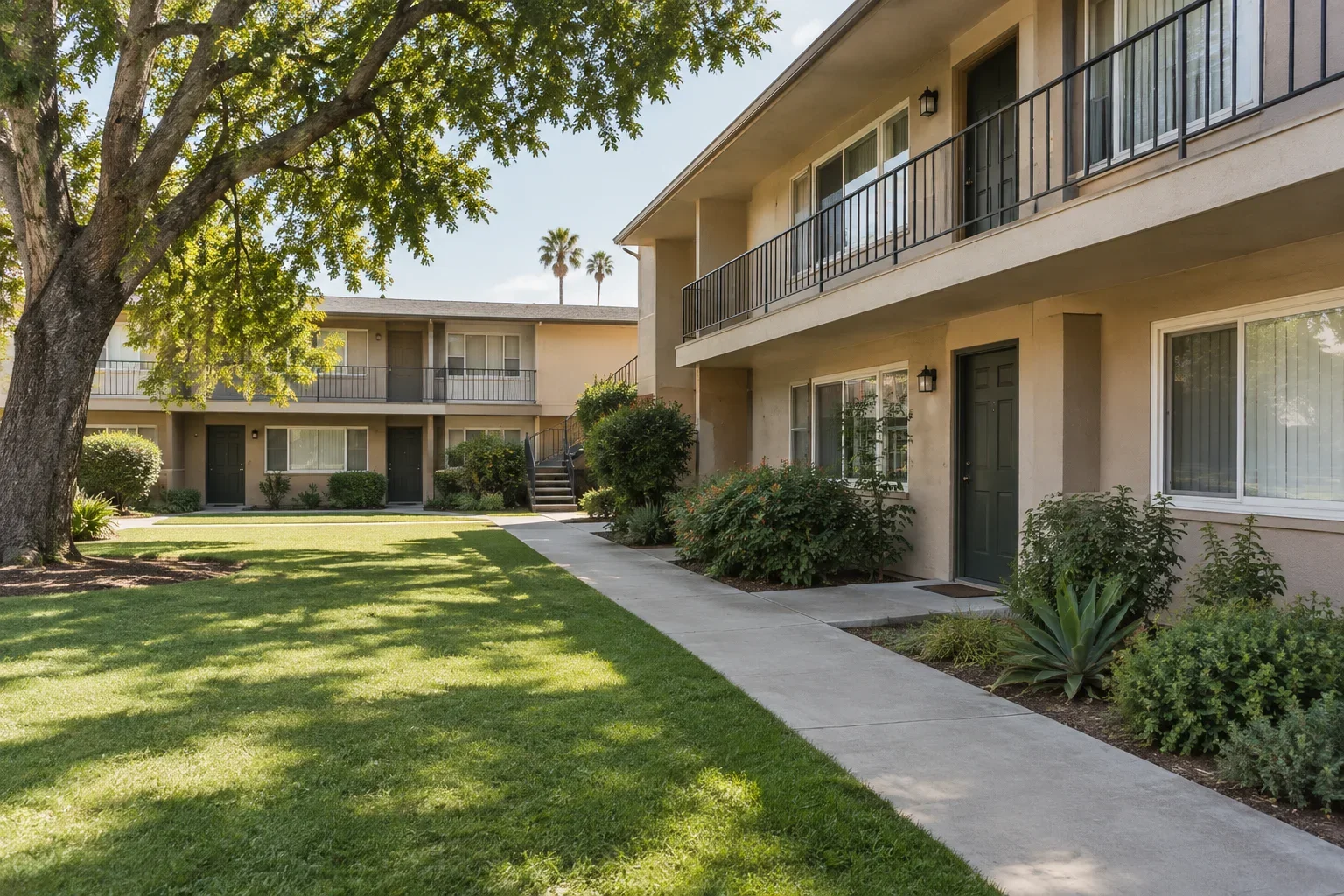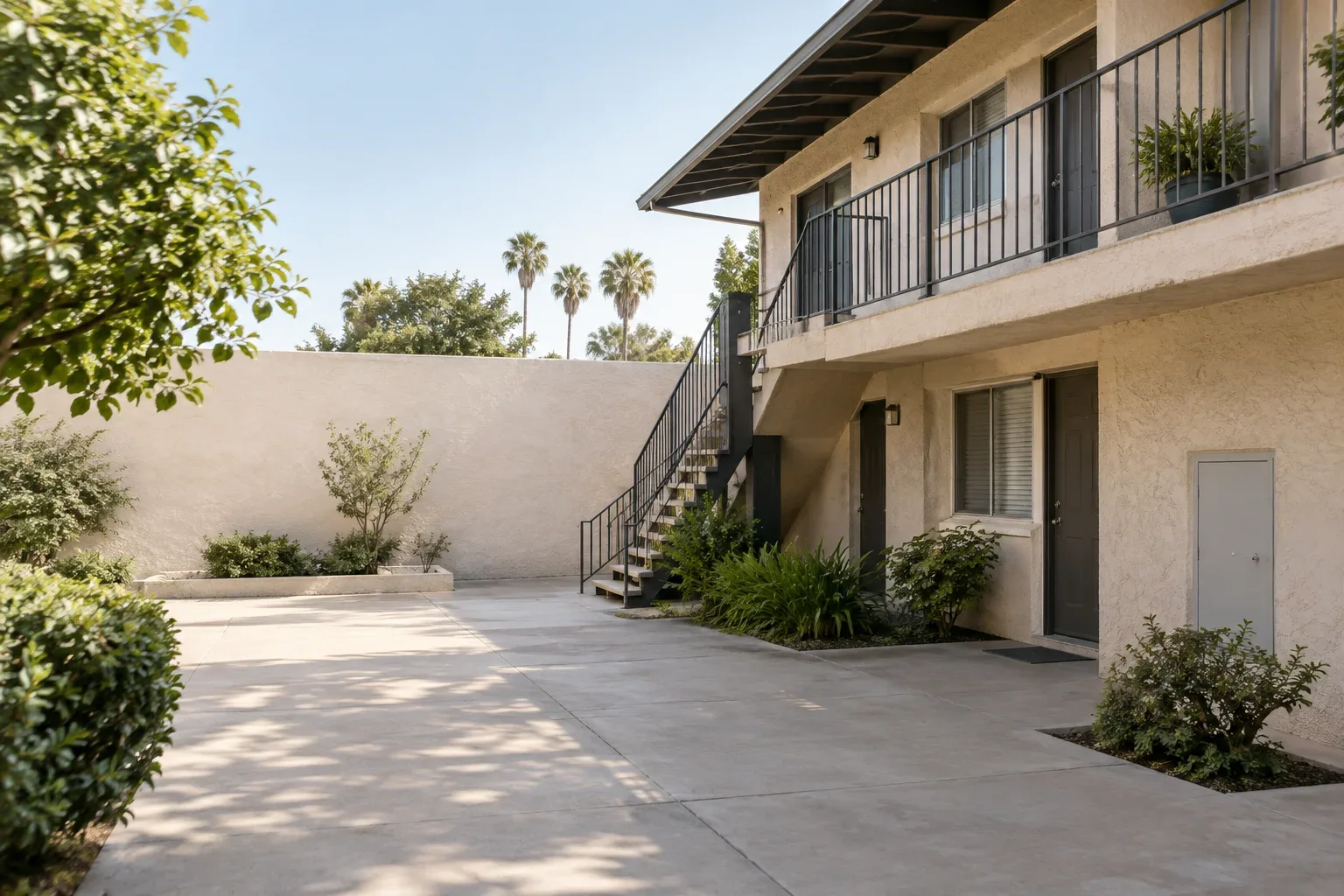

A property management company acts as the day-to-day coordinator between a rental owner, residents, and service providers. Depending on the agreement, it may advertise vacancies, handle applications and rent, arrange repairs, communicate with residents, and report on the property’s finances. The exact scope varies, so owners should confirm who handles each task, what requires approval, and what costs extra before signing.
For renters, the manager is often the first contact for questions about the lease, payments, or maintenance. The manager works on the owner’s behalf, but a clear process can help both sides understand where to go and what to expect.
Leasing and resident communication
When a unit is vacant, a manager may help prepare it for marketing, set up listing details, coordinate showings, process applications, and prepare or administer the lease. Screening should follow written, consistent criteria and applicable fair housing rules. Owners can ask how applicants are evaluated and how decisions are documented.
After move-in, the manager may answer routine questions, share notices, explain payment procedures, and coordinate communication about the lease. Ask who residents contact after hours, how urgent issues are escalated, and whether the owner is notified about disputes or recurring concerns.
- Before leasing: Confirm who approves the asking rent, listing language, concessions, and applicant decisions.
- At move-in: Clarify how keys, condition records, lease documents, and resident instructions are handled.
- During the tenancy: Ask how requests are tracked and when the owner receives updates.
Rent, records, and owner reporting
Many managers collect rent, track charges and payments, coordinate owner disbursements, and provide periodic statements. In California, brokers handling rent or deposits on behalf of others have trust-fund handling and recordkeeping responsibilities. Owners should ask how funds are accounted for, when statements are delivered, how expenses appear, and whom to contact about a discrepancy.
A useful statement should let an owner follow the flow of money: rent received, authorized expenses paid, management charges, and the remaining balance. To understand how management charges affect the rental budget, compare the written fee schedule with the transactions on the statement. Ask for a sample report before hiring, and make sure the agreement says how often reports and funds are provided.
Maintenance and repair coordination
A manager can receive maintenance requests, assess urgency, arrange a vendor or in-house team, communicate scheduling, and record the work. That coordination does not mean every repair is included in the management fee, or that the manager can approve any amount without the owner’s consent. The agreement should explain spending limits, emergency authority, vendor selection, invoices, and any maintenance markup or coordination charge.
For example, if a renter reports a leak, the manager should have a defined way to receive the request, decide whether it needs immediate attention, arrange access and repair, and update the owner as required. Ask what happens if the preferred vendor is unavailable and how a repair is documented. A simple management agreement review checklist can help surface gaps before work begins.
Compliance, boundaries, and choosing a manager
Property management can involve leases, notices, resident screening, deposits, and other matters affected by law. A manager may help administer routine processes, but an owner should not assume that hiring a company transfers every legal or financial responsibility. For a legal dispute, unusual notice, or uncertain compliance question, seek advice from a qualified California attorney. In California, owners can also verify a manager’s real estate license through the state Department of Real Estate when a license is required for the services performed.
Before choosing a company, request written answers to these questions:
- Which tasks are included, and which are billed separately?
- Who approves leasing terms, repairs, and expenses above a stated limit?
- How are rent, deposits, invoices, and owner statements handled?
- How quickly are residents and owners updated about urgent problems?
- What records will be provided, and how does either party end the agreement?
For renters, the practical next step is to save the manager’s contact details, use the stated payment and maintenance channels, and keep copies of requests and responses. For owners, compare the company’s written scope with the service you actually need. Clear authority, transparent records, and a dependable communication process matter more than a long list of services with no explanation of how they work.