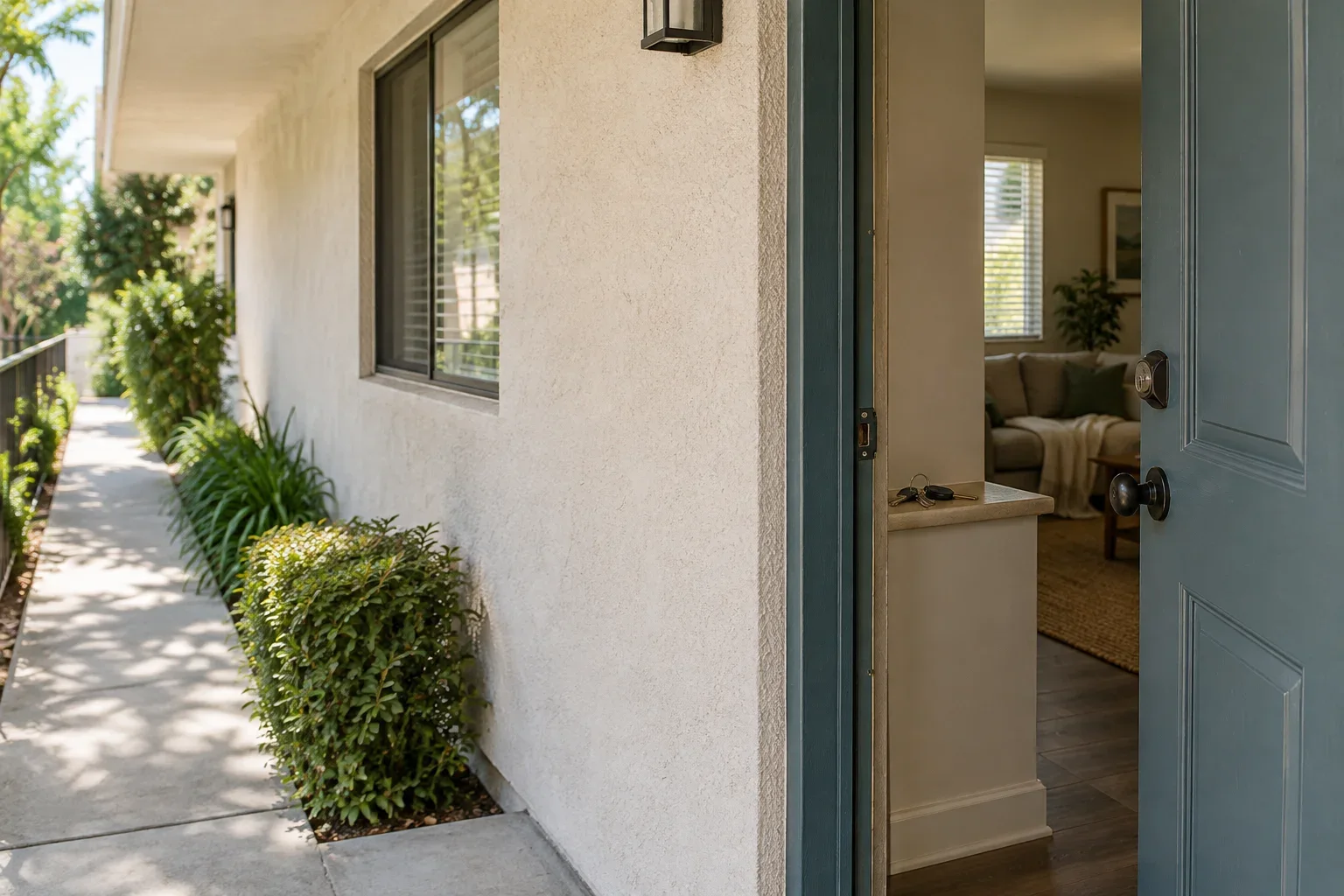
Few topics generate as many questions for property owners as assistance animals. If you own rental housing, you will almost certainly receive a request from a tenant who needs an animal because of a disability. Understanding the difference between emotional support animals (ESAs) and service animals helps you stay compliant, avoid costly complaints, and treat every applicant fairly. Whether you are preparing to market a New Property in Los Angeles or managing an established portfolio, this guide breaks down what you need to know.
What Is a Service Animal?
Under the Americans with Disabilities Act (ADA), a service animal is a dog individually trained to do work or perform tasks for a person with a disability. Examples include guiding someone who is blind, alerting a person who is deaf, calming a person during a psychiatric episode, or detecting an oncoming seizure. In limited cases, miniature horses may also qualify. Because the animal is trained for a specific task, it is not considered a pet.
What Is an Emotional Support Animal?
An emotional support animal provides comfort through companionship and does not need specialized training. ESAs can be dogs, cats, birds, rabbits, or other common domesticated animals. They are not covered by the ADA’s public-access rules, but they are protected in housing under the Fair Housing Act (FHA) when a tenant has a disability-related need for the animal. Unlike a service animal, an ESA’s role is therapeutic rather than task-based, which is why the two are so often confused.
How Housing Laws Treat Both
Here is the key point many landlords miss: in housing, both service animals and ESAs are treated as assistance animals, not pets. That means your no-pet policy, pet rent, and pet deposits generally do not apply. California’s Fair Employment and Housing Act (FEHA) offers similar protections, so state rules matter just as much as federal ones. A tenant can still be held responsible for any damage the animal causes beyond normal wear and tear, just like any other resident.
What Landlords Can and Cannot Ask
When a disability is not obvious, you may request reliable documentation from a licensed professional who knows the tenant, confirming a disability-related need for the animal. Keep in mind that California law limits the weight of documentation from online providers who have no real relationship with the tenant. For service animals, you can generally ask only two questions: is the animal required because of a disability, and what work or task has it been trained to perform? You cannot:
-
Demand medical records or details about the tenant’s diagnosis
-
Require a “certification” or “registration,” since no official registry exists
-
Charge pet fees, pet rent, or deposits for the animal
-
Automatically apply breed, size, or weight restrictions
When Can You Deny a Request?
Requests are not unlimited. You may deny or modify a request if the specific animal poses a direct threat to the health or safety of others that cannot be reduced by other measures, would cause substantial property damage, or would impose an undue financial or administrative burden. Decisions must rest on the individual animal’s actual behavior, not on stereotypes about breeds or species. Always document your reasoning and consult legal counsel before issuing a denial. Whenever possible, discuss reasonable alternatives with the tenant through an open, good-faith conversation.
Best Practices for Landlords
-
Create a written reasonable accommodation policy and apply it consistently
-
Respond promptly, because unreasonable delays can be treated as denials
-
Train leasing staff so no one gives incorrect or discriminatory answers
-
Keep all accommodation requests and documentation confidential
-
Use a lease addendum outlining the tenant’s responsibilities for the animal
Partner With a Management Team You Can Trust
Navigating assistance animal requests is far easier with experienced support. At Suave Management, our team handles tenant screening, accommodation requests, and fair housing compliance so owners can protect their investment with confidence. Whether you are leasing a New Property in Los Angeles or listing a New Property in Glendora, we help you build policies that are both compliant and tenant-friendly. Contact Suave Management today to learn how we can simplify property management for you.