Renovating an occupied Los Angeles rental is possible when the owner defines the work, confirms permitting and notice requirements, and builds the schedule around the tenant’s daily needs. Separate urgent repairs from elective improvements, then prepare a written scope, vendor file, access plan, dust and noise controls, utility schedule, and before-and-after record. Larger projects may trigger additional City of Los Angeles tenant-habitability procedures, so complete the legal and operational review before scheduling demolition.
Classify the Work Before Approving It
First determine whether the project is routine maintenance, a repair, or a substantial improvement. A failed water heater, leak, or nonworking appliance may require prompt attention. Painting, cabinet upgrades, flooring changes, and bathroom remodeling may be elective improvements that need more planning.
Before approving work, ask:
- Does it address a health, safety, habitability, or code issue?
- Which rooms or private outdoor areas require access?
- Will water, electricity, gas, heating, cooling, parking, or entry routes be interrupted?
- Can the tenant remain safely, or is temporary relocation more appropriate?
For rental property maintenance planning in Los Angeles, create two scopes when needed: the minimum work required now and optional improvements that can wait for turnover.
Confirm Permits, Vendors, and Insurance
Permit requirements depend on the work and local jurisdiction. Structural, electrical, plumbing, HVAC, window, kitchen, and bathroom projects may require permits or inspections. Check with the building department serving the property. In the City of Los Angeles, work involving rent-controlled units or significant tenant impact may also require a Tenant Habitability Plan or related clearance.
Keep a project file with the written scope, drawings, specifications, permit information, contractor license verification, insurance certificate when appropriate, workers’ compensation confirmation or exemption explanation, payment terms, change-order process, warranty details, and cleanup obligations. California licensing rules generally require a current contractor license when the project requires a permit, uses additional workers, or reaches the applicable labor-and-material threshold. When uncertain, consult the permitting agency, insurance professional, or qualified construction attorney.
Build a Tenant-Centered Schedule
Break the project into phases and identify which rooms remain usable. A kitchen replacement may need a temporary cooking area, while bathroom work may require access to another bathroom or a planned short-term accommodation.
Give the tenant a weekly plan listing work dates, arrival windows, affected areas, expected noise, dust, odors, parking restrictions, deliveries, utility interruptions, and the workers’ point of contact. Explain how to report damage, unsafe conditions, or schedule problems.
Provide a target completion date rather than an inflexible promise when materials, inspections, or concealed conditions could cause delays. Establish an update cadence and escalation plan. A qualified property manager can coordinate vendors, tenant communication, inspections, and owner approvals through one workflow; see residential property management services for an overview.
Use Lawful Entry and Protect the Home
California Civil Code Section 1954 permits entry for necessary or agreed repairs, decorations, alterations, or improvements, but access cannot be abused or used to harass the tenant. Except for emergencies and other listed exceptions, provide written notice stating the date, approximate time, and purpose. Twenty-four hours is generally presumed reasonable, and entry should normally occur during business hours.
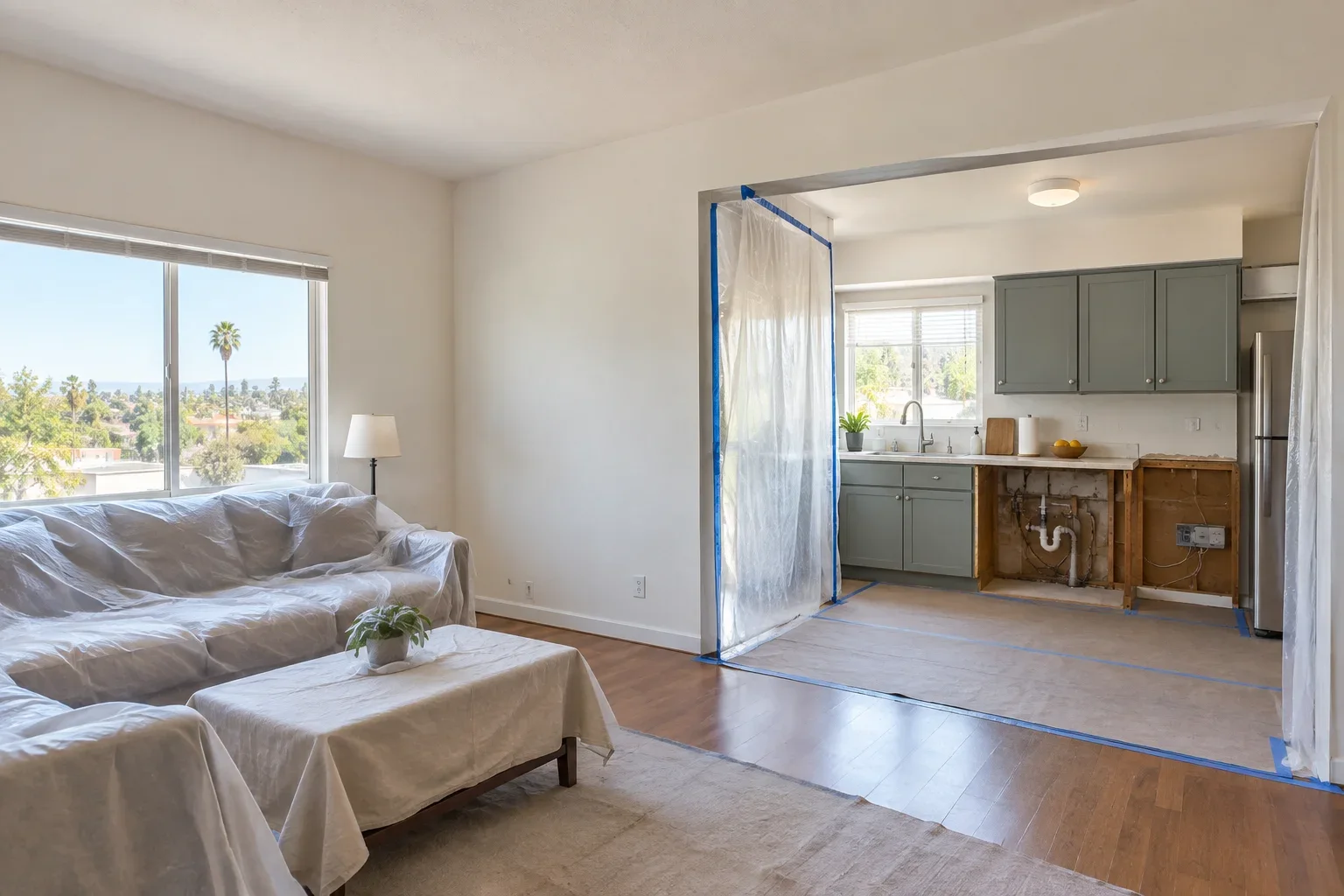
Document who is entering, why access is needed, and whether the tenant agreed to a different arrangement. Before work begins, photograph affected areas while respecting privacy, and ask the tenant to identify fragile or valuable belongings. Use floor protection, sealed dust barriers, covered vents, secure tool storage, and daily cleanup. Contractors should not move personal property without the tenant’s written agreement.
Control Disruption and Utility Interruptions
Require appropriate containment, ventilation, cleanup, and worker safety practices for dust-producing work. Cutting concrete, masonry, tile, or other materials may create respirable dust hazards that contractors must control under California workplace safety rules.
Schedule loud work during permitted hours and coordinate deliveries so they do not block driveways, shared walkways, fire access, or neighboring units. For planned utility interruptions, provide advance written notice, expected duration, preparation instructions, and an emergency contact. Reschedule if an outage would leave the tenant without a necessary service for an unreasonable period.
Document Completion and Close the Project
At each phase’s end, compare conditions with the starting record. Photograph finished surfaces, fixtures, appliances, meters, common areas, and pre-existing damage. Save invoices, permits, inspection approvals, warranties, change orders, notices, and completion confirmations.
A final walkthrough should confirm safe operation of affected systems, removal of debris and temporary protections, restoration of utilities and access routes, touch-up work, and the return of keys, remotes, and security devices. Address damage to belongings, and obtain tenant acknowledgment of completed work without asking the tenant to waive legal rights.
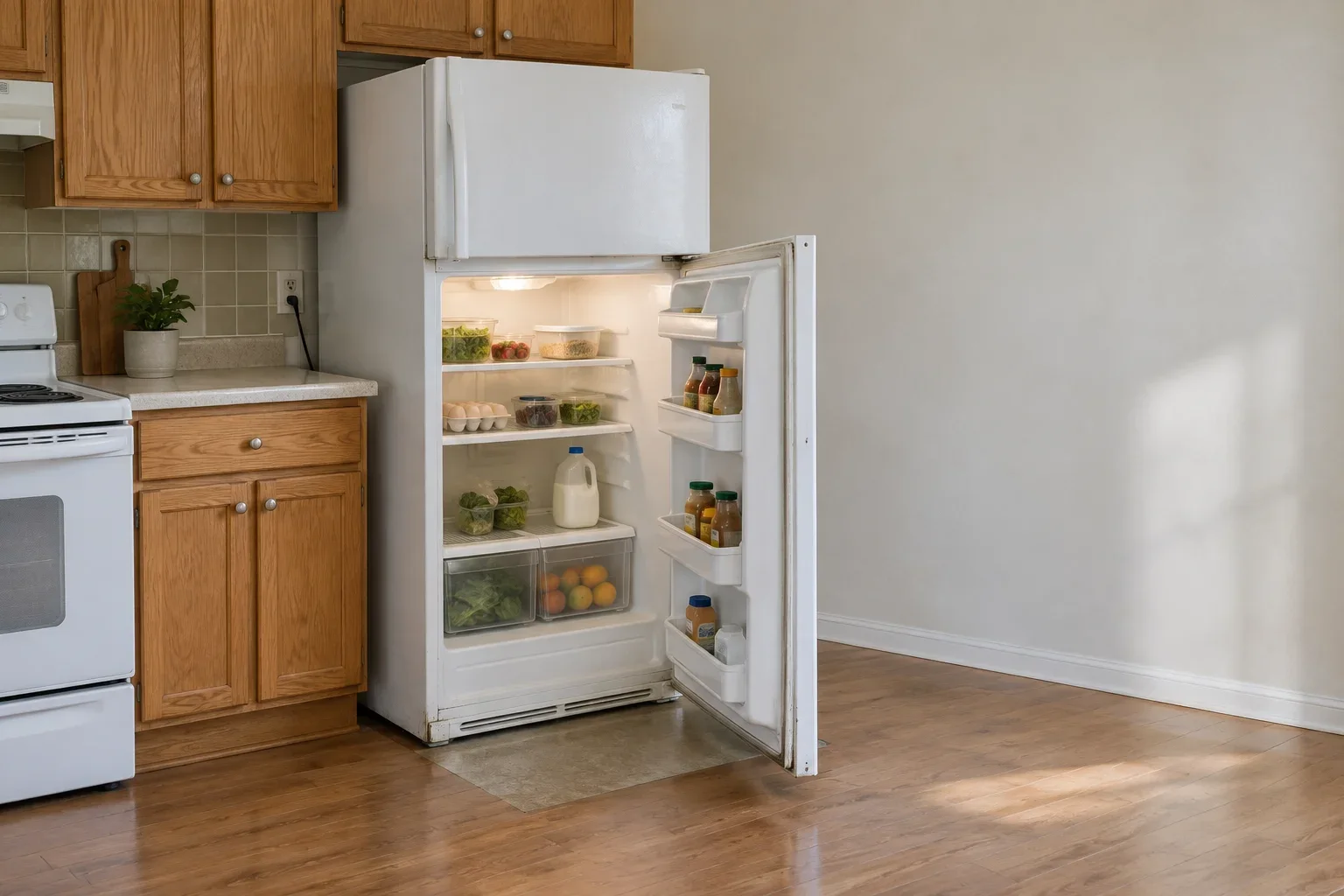
Owners deciding whether to renovate now or wait for turnover can review this rental appliance repair or replacement guide. The best occupied renovation has a clear scope, lawful access, controlled disruption, qualified vendors, and a complete record of what was promised and delivered.