Replace a rental appliance when a repair no longer provides dependable value, not simply because the appliance is old. Compare the repair cost with remaining useful life, warranty coverage, safety, parts availability, energy use, repeat failures, and tenant disruption. Los Angeles and San Fernando Valley owners should also check whether California law, the lease, or a recall creates a repair or replacement obligation.
Start With Safety and Legal Requirements
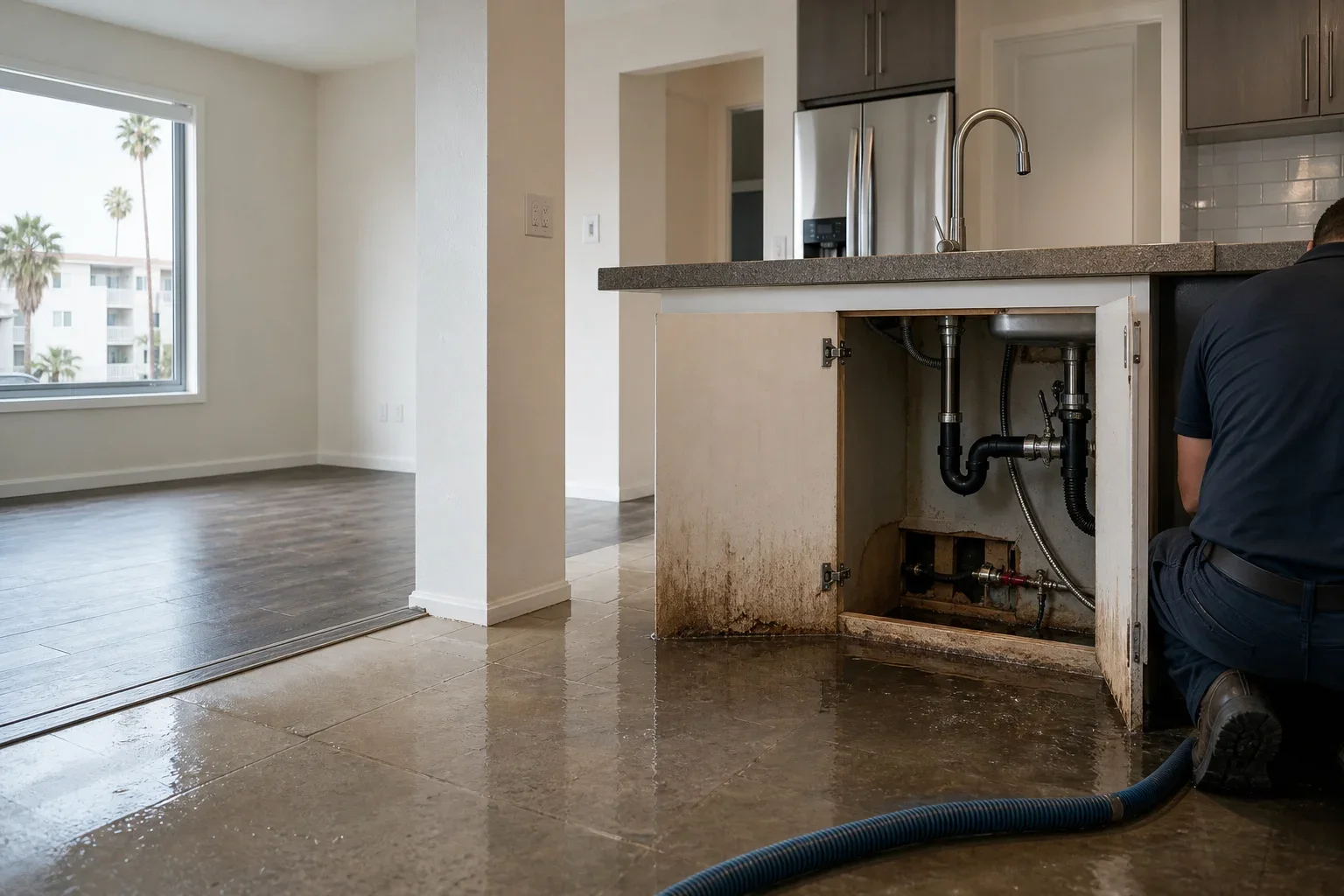
Safety comes before cost. Stop using an appliance if there is a gas odor, smoke, scorching, exposed wiring, electrical arcing, uncontrolled leaking, overheating, or serious water intrusion. Have qualified professionals evaluate gas, electrical, heating, and refrigerant-related equipment.
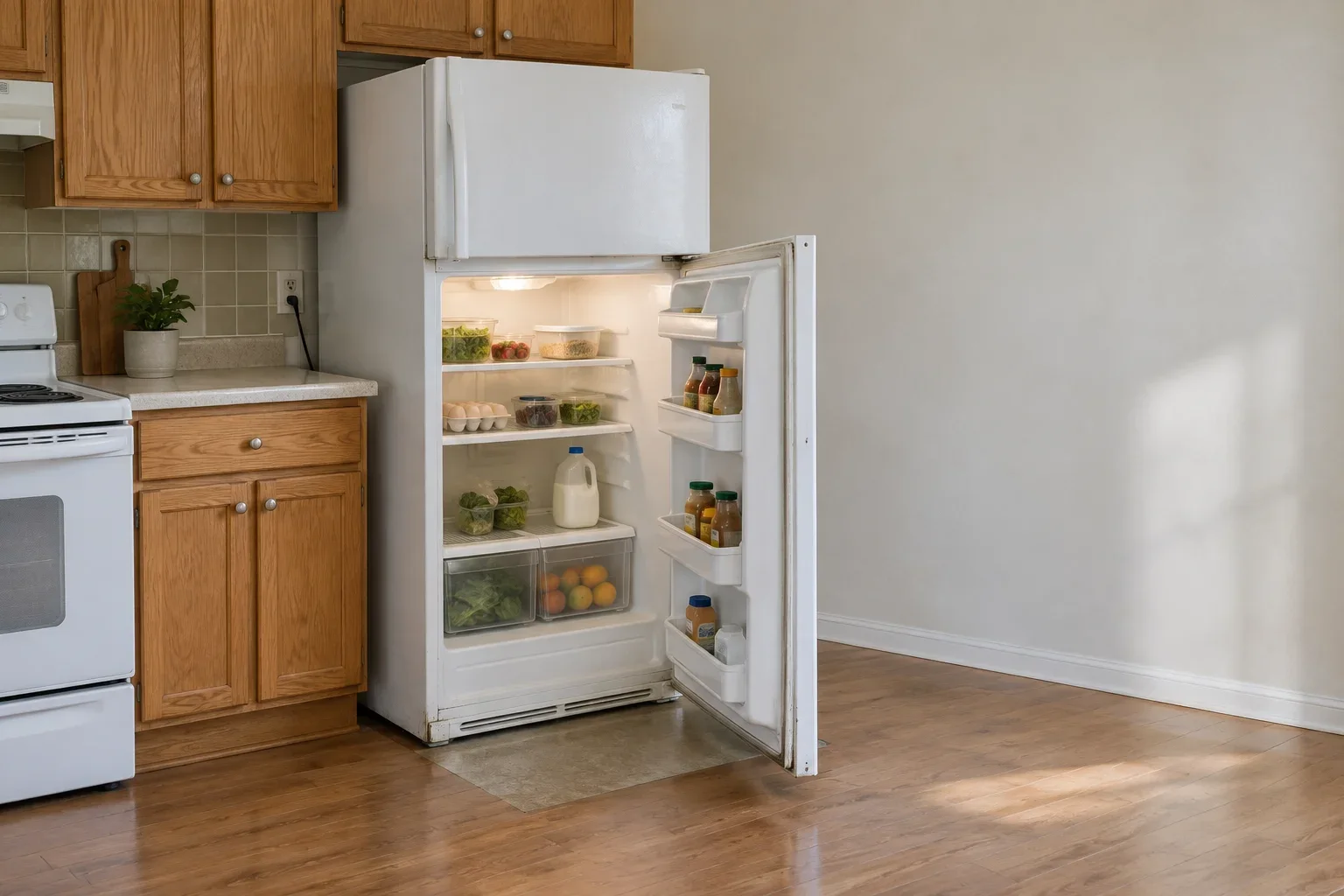
For leases entered into, amended, or extended on or after January 1, 2026, California habitability standards specifically address stoves and refrigerators. A covered stove must safely generate cooking heat, and a refrigerator must safely store food. Landlords must repair or replace a recalled stove or refrigerator within 30 days after receiving recall notice. A tenant may provide their own refrigerator only under specific written lease terms and cannot be required to do so as a condition of tenancy.
Check the model and serial number against the manufacturer and Consumer Product Safety Commission recall databases before authorizing work. A recall remedy may be free, while an ordinary repair could waste money and leave avoidable risk.
Use the Repair-or-Replace Cost Test
Compare the total cost of keeping the appliance for the next 12 to 36 months, not just the repair invoice.
- Repair: Include the service call, parts, labor, delivery, temporary equipment, and likely follow-up visits.
- Replace: Include the appliance, installation, haul-away, applicable permits, modifications, delivery, and tenant coordination.
- Ownership: Consider utility use, maintenance, warranty coverage, downtime, and the financial impact of another failure.
Repair is more reasonable when the appliance is otherwise reliable, the failed component is isolated, parts are available, and the repair is meaningfully less than replacement. Replacement deserves priority when the repair approaches half the cost of a comparable new unit, the appliance has had multiple failures, or the technician cannot provide a reasonable warranty. These are guidelines, not legal rules. A cheaper repair may still be poor value if the appliance repeatedly leaks, trips breakers, fails to cool, or damages clothes and dishes.
Evaluate Age, Warranty, and Parts
Age is a risk indicator, not an automatic replacement trigger. Ask for the manufacture date, failed component, expected remaining life, and whether the proposed work addresses the cause or only the symptom.
Questions to Ask Before Approving Work
- What failed, and what confirms the diagnosis?
- Is the part still manufactured and available?
- What warranty applies to parts and labor?
- Has the appliance had similar repairs during the past 12 to 24 months?
- Could the failure signal a plumbing, electrical, venting, drainage, or HVAC problem?
- How long will the tenant be without the appliance?
- Will a replacement fit the opening and connect to the existing gas line, outlet, vent, drain, and flooring?
For older appliances with discontinued parts, repeated service calls, or uncertain diagnoses, replacement can reduce emergency maintenance and vacancy friction. Keep invoices, technician notes, photos, model and serial numbers, and approvals in the property file.
Consider Energy Use and Tenant Disruption
Efficiency matters especially when utilities are owner-paid or an appliance is used frequently. ENERGY STAR certified products are designed to use less energy than standard models. ENERGY STAR reports that certified clothes washers use about 20 percent less energy and 30 percent less water than regular washers. Heat pump dryers can substantially reduce energy use, but owners should confirm drainage, electrical capacity, cycle times, and tenant expectations.
Compare the EnergyGuide label, utility rates, expected use, rebates, and maintenance. Lower operating costs may justify a higher price for a daily-use refrigerator or washer; a dependable standard model may be better for a rarely used secondary appliance.
HVAC decisions require additional care because equipment may involve code, permitting, refrigerant, or electrical issues. Review the lease, local requirements, equipment condition, and licensed HVAC advice. California’s heating requirement is different from a tenant preference for cooling.
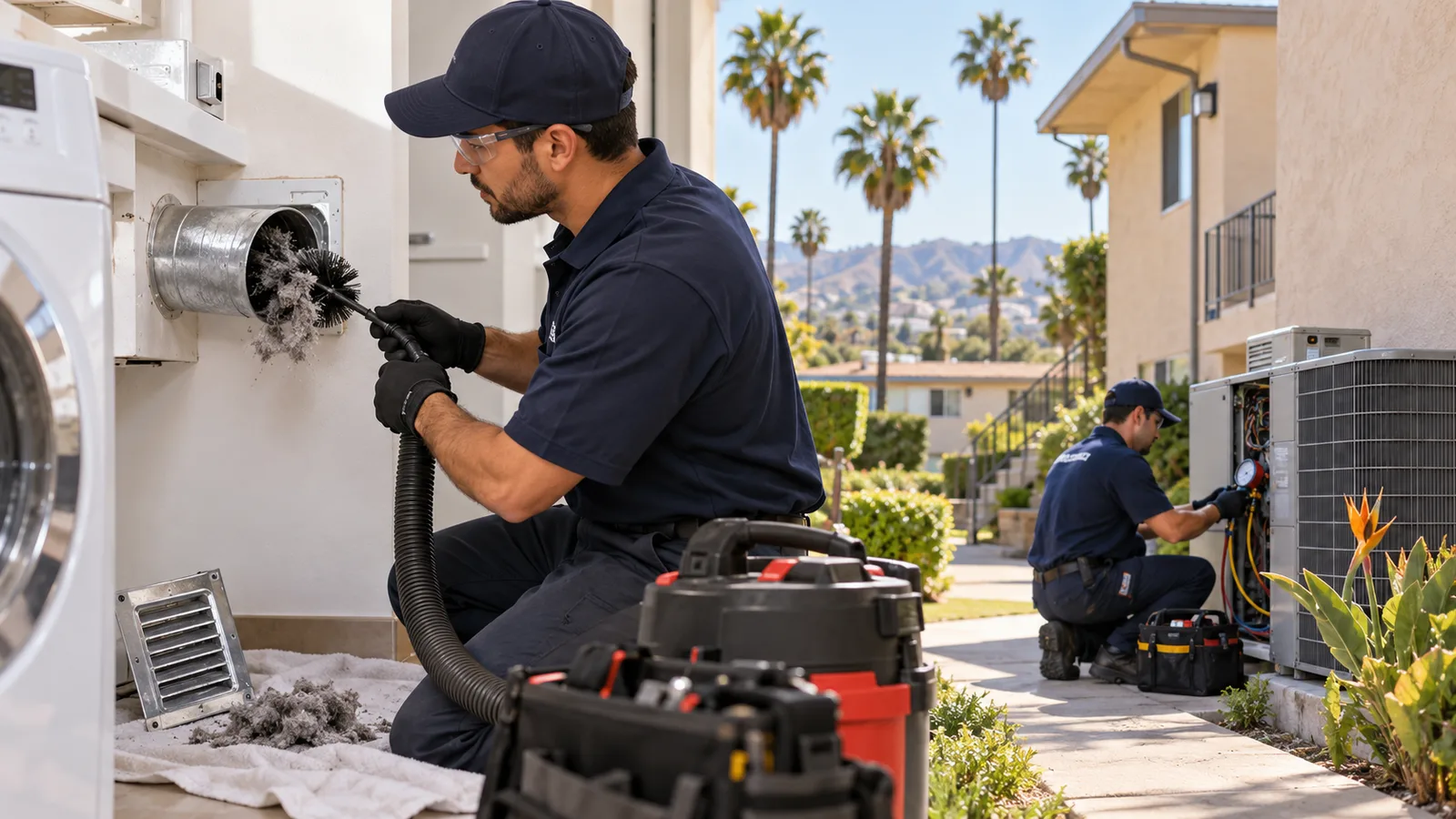
Before scheduling replacement, confirm dimensions, delivery access, installation requirements, shutoffs, flooring protection, and haul-away. For occupied homes, provide lawful entry notice, realistic appointment windows, and preparation instructions. Prioritize unusable refrigerators, ranges, washers, and dryers based on safety and essential household function. Document the outage, temporary measures, appointment attempts, and completion date. Owners can also review this dryer vent and HVAC maintenance plan.
Final Approval Checklist
- The appliance is safe, or it has been taken out of service.
- Recall databases were checked.
- The diagnosis and repair warranty are documented.
- Repair cost is compared with replacement cost and remaining life.
- Energy use, rebates, and owner-paid utilities were considered.
- Installation, permits, delivery, parts, and haul-away are included.
- Tenant access, disruption, and communication are documented.
- The lease and current California requirements were reviewed.
Owners can ask their residential property management team to track appliance age, repair history, warranties, and replacement reserves. The goal is not to replace every aging appliance, but to make a documented decision before a preventable failure becomes an emergency, tenant dispute, or larger property loss.
This article is educational and does not replace legal, tax, insurance, or licensed-trade advice. Consult qualified professionals when work involves habitability, recalls, gas, electrical systems, HVAC equipment, permits, or tenant remedies.