A useful plumbing history is more than a folder of invoices. For each rental, keep one organized record of where key fixtures and shutoffs are, what problems have occurred, what vendors observed, and what work was completed. Reviewing those details over time can help you spot repeat failures, plan follow-up, and compare repair options. Keep urgent leak response, individual repair files, and utility-bill reviews connected to this history, but do not treat them as substitutes for it.
Start With a Property Plumbing Map
Create a simple property record that helps someone locate the plumbing before a problem occurs. Include the property address, unit number, date last verified, and a floor plan or annotated photos if available. Do not assume a future manager or vendor will know what is behind a cabinet or in a shared utility area.
Record the location and, where practical, a clear photo of:
- The main water shutoff and any unit-level shutoffs, with access instructions.
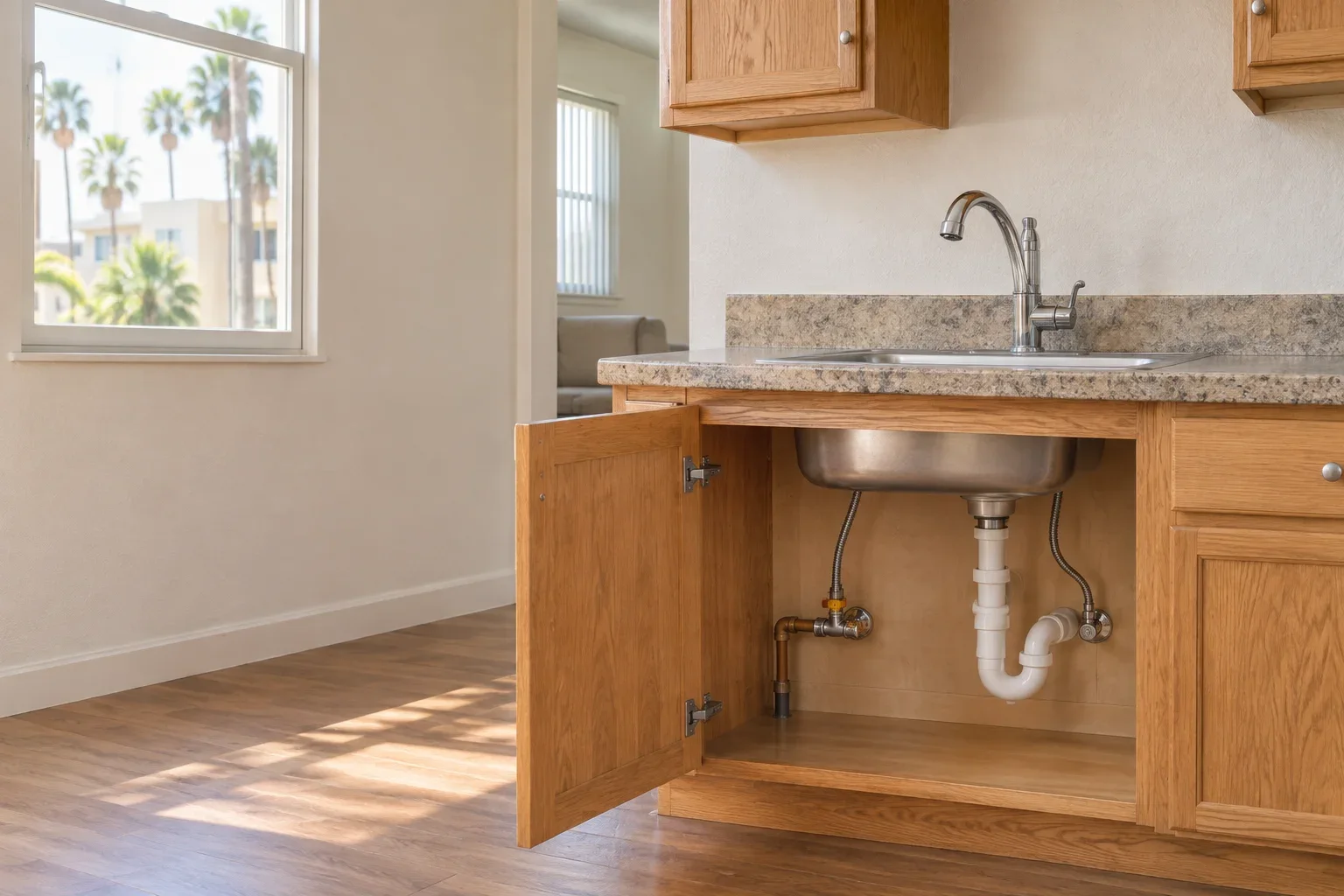
- Water heaters, fixture shutoff valves, cleanouts, and other accessible plumbing components.
- High-use fixtures, such as toilets, sinks, showers, laundry hookups, and kitchen appliances connected to water.
- Any known access limits, such as a locked utility room or a valve behind stored items.
Label photos with the room or unit and date. Have a qualified person verify uncertain locations instead of guessing. If a valve is difficult to reach or has not been tested, note that clearly and arrange appropriate follow-up. This map is a reference, not a substitute for an emergency plan or a technician’s assessment.
Keep a Consistent Issue and Inspection Log
Use one dated entry for each report, observation, inspection, or service visit, even when no repair is made. Record enough detail to connect similar events later. “Bathroom leak” is too vague to reveal a pattern. Note the exact fixture, unit, reported symptom, when it began, and whether it was intermittent or continuous.
A practical entry includes:
- Date reported, date inspected, and date resolved, if different.
- Location and fixture, plus the resident’s description of the symptom.
- Inspection observations, including visible conditions and what could not be confirmed.
- Vendor findings, recommended next steps, and whether further testing was advised.
- Estimate, approval decision, permit details when applicable, and completed work.
- Follow-up date, warranty information if provided, and any recurrence.
Separate what someone observed from what they concluded. For example, record “moisture visible below the sink” as an observation, and identify a suspected source as a vendor’s finding or diagnosis. That distinction keeps the history useful when a later inspection points to a different cause.
Save the Documents That Explain the Work
Attach estimates, invoices, inspection notes, relevant photos, and communications to the matching log entry. Keep the final invoice or work order specific enough to show the location, work performed, parts replaced when known, and whether the issue was tested afterward. If a vendor recommends monitoring or a second visit, note who will follow up and by when.
For work that may require a permit, retain the permit record and inspection outcome with the job file. Requirements depend on the property’s jurisdiction and the scope of work. Los Angeles properties may fall under different permitting authorities, so verify requirements with the agency responsible for that address before work begins. For contractor details, California’s Contractors State License Board offers a license-check tool. For significant work, disputed findings, or uncertainty about permitting, consult the appropriate building department or qualified professional.
Do not file every plumbing-related record as if it serves the same purpose. A repair file captures one service event. An urgent leak response record should preserve its own timeline and actions. A plumbing history brings events together so owners can see what keeps happening. Water bills can add another signal: compare unusual usage with known leaks, repairs, and occupancy changes. For a separate monthly review process, see how to review rental water bills.
Review the History Before Approving Repeat Work
When the same fixture or area appears more than once, compare the dates, symptoms, findings, and prior work before treating the new report as an isolated repair. Repeated clogs, recurring moisture, or a valve that continues to fail may justify asking the vendor whether the earlier repair addressed the underlying cause or only the immediate symptom. The log cannot diagnose a problem, but it can help you ask better questions and provide useful context.
Before approving a recurring repair, check:
- Has the same symptom happened before, and how soon after the last service?
- Did previous work resolve the issue, or was monitoring or further testing recommended?
- Does the estimate explain the proposed scope, what it will address, and any exclusions?
- Are permit or inspection steps relevant to this scope and location?
- Who will verify completion, update the record, and track any recommended follow-up?
Set a recurring review, such as during routine property maintenance planning, and update the record after each visit. A simple shared folder or maintenance system can work if entries use consistent property, unit, date, and fixture labels. The next step is straightforward: map the shutoffs, gather existing plumbing invoices and inspection notes, and create one dated log for each property. A complete history will not prevent every failure, but it makes the next maintenance decision better informed.