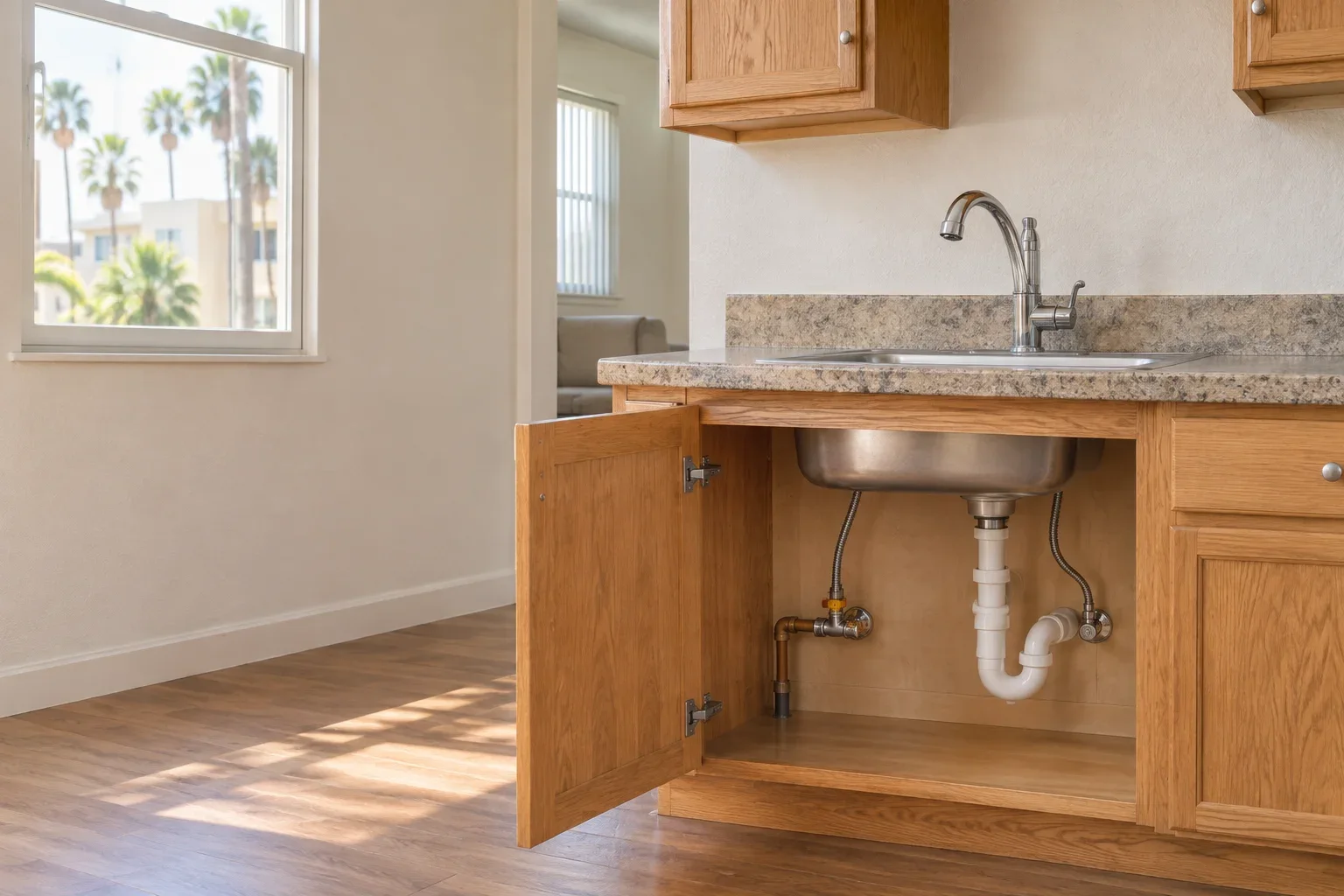
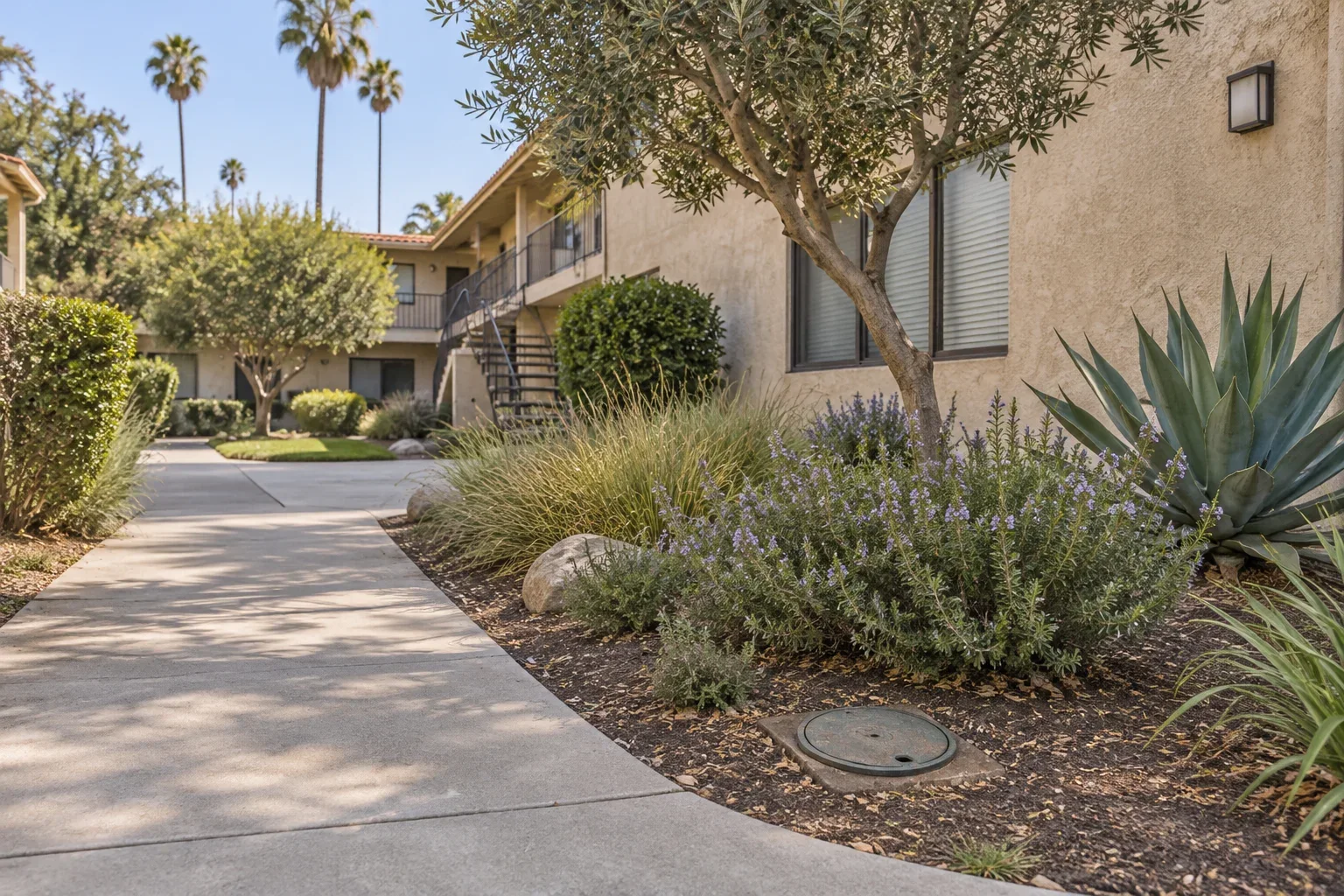
Review each rental property water bill against recent usage, the meter readings, and the dates covered. If a charge or usage level looks unusual, verify the bill details first, then investigate possible leaks or irrigation issues and contact the utility or a qualified plumber as needed. In Los Angeles, many residential LADWP accounts are billed every two months, so make a monthly recordkeeping check even when no new bill has arrived.
Compare Usage, Not Just the Amount Due
A higher total does not automatically mean the property used more water. A bill can cover a longer period, include a previous balance, or reflect an estimated or unusual meter reading. Start by locating the water usage for the current bill and comparing it with recent bills for the same property.
- Compare the billed water use with the previous bill and, when available, the same season last year.
- Check the number of days in each billing period. If periods differ, compare average use per day rather than totals alone.
- Review the water charge separately from other items on a combined utility statement, such as sewer, trash, electricity, or past-due balances.
- Note changes that could affect use, such as a vacancy, new occupants, landscaping work, or a change to the irrigation schedule.
For example, a higher bill covering substantially more days may not indicate a sudden change in daily use. Record the period and usage before deciding whether the increase needs investigation.
Check Billing Dates and Meter Readings
Confirm the service address and account, billing-period start and end dates, meter number if shown, and whether the reading is actual or estimated. Compare the current and previous meter readings with the billed consumption, accounting for the units and meter format used by that utility.
For LADWP, water consumption is billed in units of 100 cubic feet, or HCF. The utility notes that high bills can result from increased or seasonal use, a misread or estimated reading, a longer billing period, or an unpaid balance. If a bill is estimated, unexpectedly delayed, or inconsistent with the property’s history, flag it for follow-up rather than treating the amount as confirmed normal usage.
Where it is safe and accessible, a manager can also compare the property’s meter display with the latest bill. Follow the utility’s instructions for reading that meter type; do not assume every meter uses the same units or display.
Investigate an Unexpected Usage Spike
If usage has risen without an obvious explanation, use a short, consistent investigation instead of guessing. Begin with a records check, then coordinate a site review if the discrepancy remains.
- Check recent maintenance notes, occupancy changes, and irrigation settings or service records for the billing period.
- Ask the resident or site contact whether they noticed running fixtures, unusual toilet behavior, wet areas, or sprinklers operating unexpectedly.
- Arrange an appropriate inspection of toilets, plumbing fixtures, irrigation equipment, and visible lines. A qualified plumber can assess issues that are not apparent from a basic review.
- If the meter reading, billing dates, or usage still seem incorrect, contact the water utility and ask what information it needs to review the account.
Keep the inquiry neutral: a spike is a reason to check the facts, not proof of a leak or billing error. Utilities may offer account-specific guidance, and any adjustment or investigation process depends on the provider and circumstances.
Keep a Simple Bill Review Log
Use one row per bill in a spreadsheet or property management record. Store the statement and related maintenance documents with the entry so another owner or manager can understand what happened without reconstructing the timeline.
- Property and account identifier
- Bill issue date, service dates, and number of days covered
- Meter readings and actual or estimated status
- Water usage, total amount due, and comparison with prior periods
- Notes on occupancy, irrigation, maintenance, or unusual conditions
- Follow-up owner, action taken, date contacted, and next check date
For instance: “Usage increased from prior period; billing days also increased; confirmed actual reading; irrigation vendor asked to inspect timer; review next bill.” This records the observation and the next step without claiming a cause that has not been confirmed.
Close the Loop on the Next Review
Each month, check whether a new bill arrived, whether an open utility or maintenance question received a response, and whether the next bill reflects the expected result. If the issue remains unresolved, carry it forward with the last action and a named follow-up person. Clear records support practical rental property maintenance planning and make owner reporting easier.
Owners who want a consistent process for bills, maintenance coordination, and financial records can learn more about residential property management services.