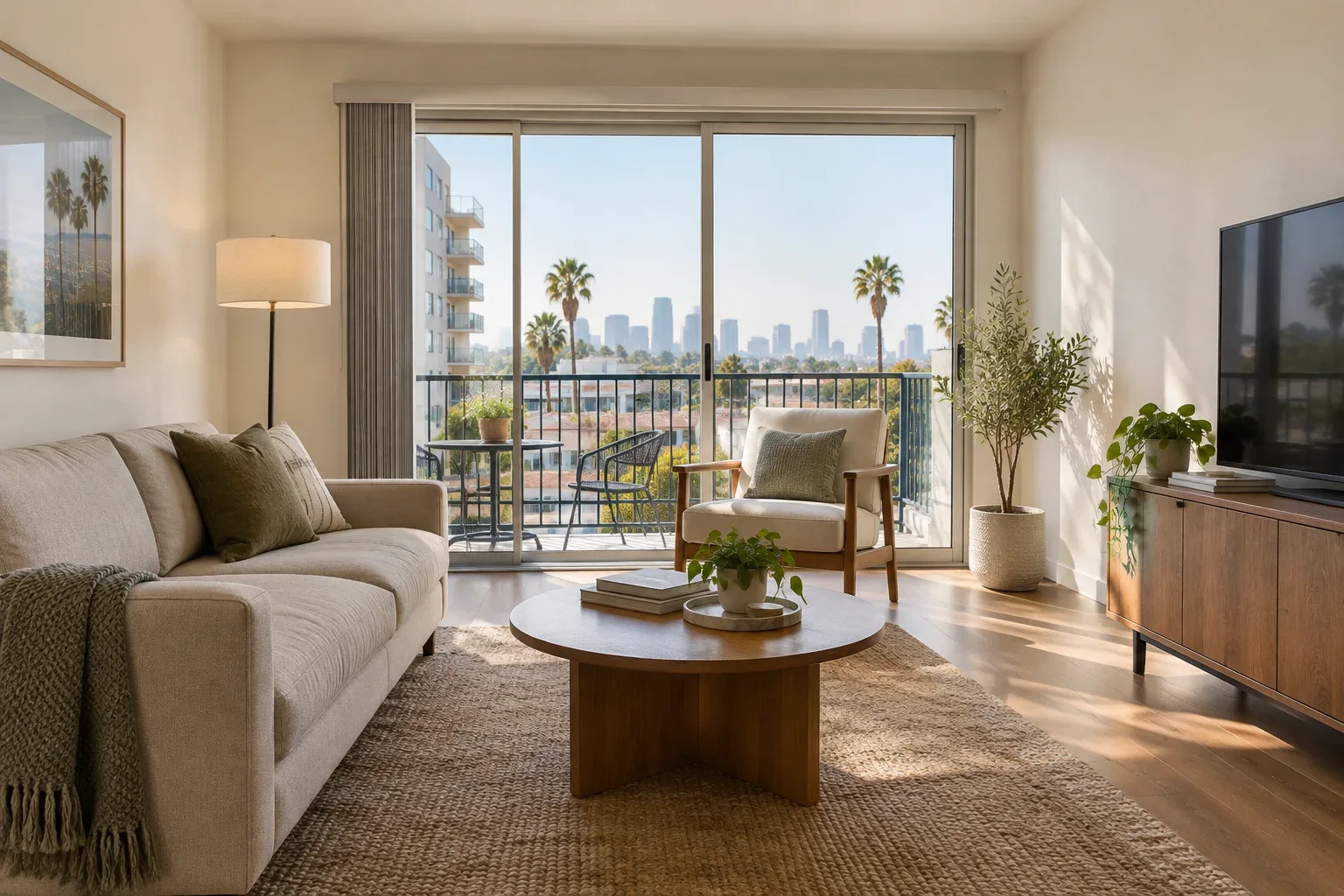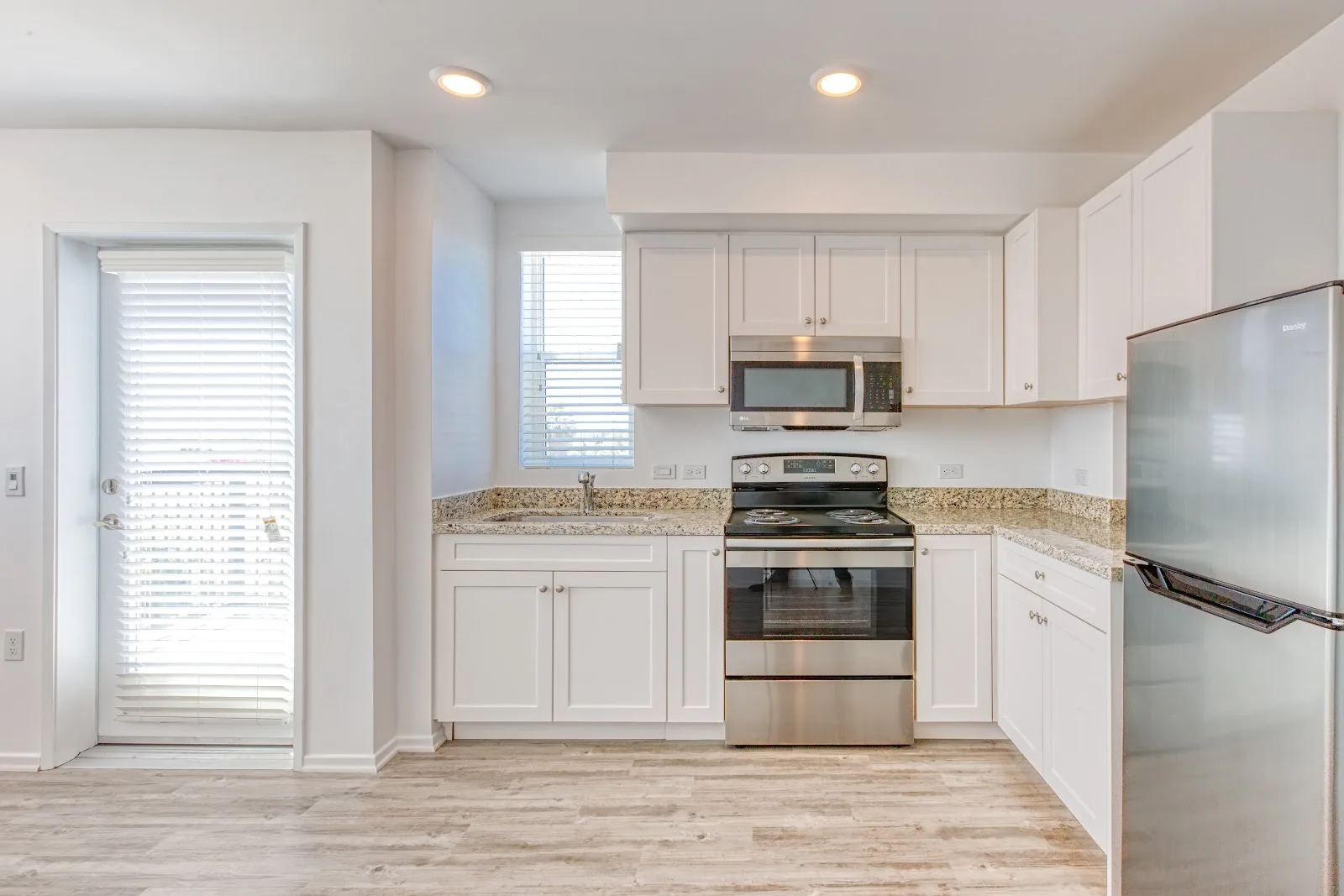
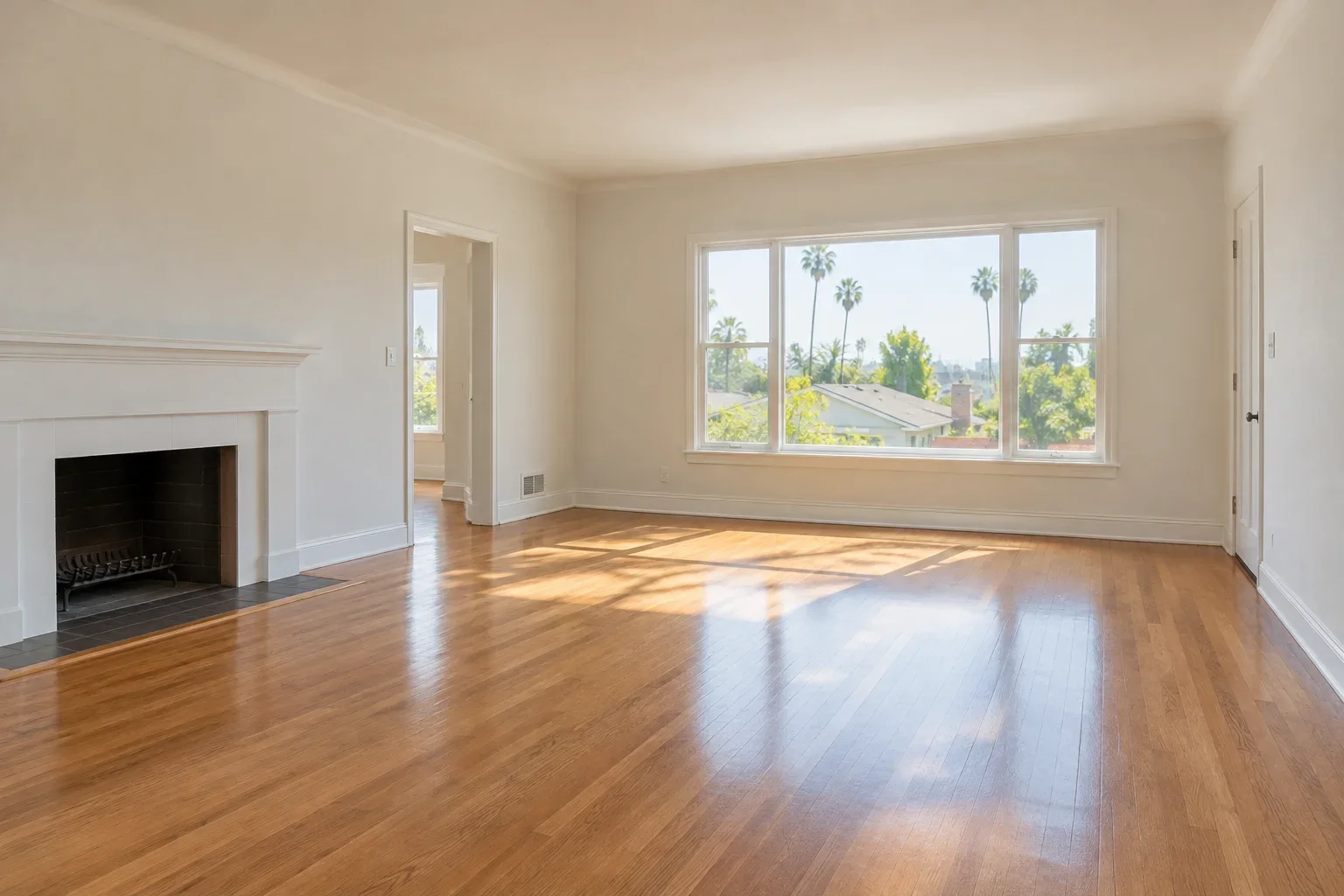
Plan for roughly four to six weeks from the day your Los Angeles rental is ready and listed to a signed lease. That is a planning window, not a promise: one recent dataset put the median time to lease for covered Los Angeles apartments at 30.7 days in August 2026. Preparing the property, reviewing applications, and arranging move-in can add time, and a single-family home may not follow the same pattern as a large apartment building.
The timeline is most useful when you treat it as a series of stages. A clean, accurately priced home with clear listing details can attract qualified interest sooner. Delayed repairs, an unrealistic asking rent, or slow follow-up can extend vacancy.
What the Los Angeles rental timeline includes
Keep “days on market” separate from the full vacancy period. A unit may sit empty while it is being repaired, cleaned, photographed, or prepared for showings, before its listing clock even starts. After an applicant is selected, screening, lease signing, and the agreed move-in date take additional time.
The August 2026 figure covers apartments in buildings represented in the dataset, not every rental home in Los Angeles. It measures apartments that leased that month, so it does not tell you how long every listing will take. Use it as a recent reference point, not a guarantee for a particular property.
- Make-ready: Finish repairs, cleaning, and any safety or access work before advertising.
- Marketing and showings: Publish complete details, respond promptly, and make tours practical to schedule.
- Application and lease: Review complete applications consistently, communicate decisions, and coordinate signing and move-in.
For a useful view of the marketing stage, see what owners should check in a rental listing.
What can make a rental lease faster or slower?
Rent compared with similar available homes
Compare your asking rent with current listings that match the property’s neighborhood, size, condition, parking, laundry, outdoor space, and lease terms. A citywide average can be a poor guide for a specific home. If prospects repeatedly tour but do not apply, compare your total offer with nearby alternatives, including any recurring charges or incentives.
Condition and listing readiness
Prospects need to see a home that is available when promised and accurately represented. Finish obvious repairs, confirm showing access, and use clear photos and descriptions. If work is still underway, state what remains and when it will be completed rather than advertising a move-in date you may not meet.
Speed and clarity of follow-up
Slow replies can cost you qualified applicants, while unclear screening criteria can create confusion. Decide in advance how prospects can book tours, what documents applicants should submit, and how you will provide status updates. Apply consistent, lawful screening practices and consult a qualified California housing professional if you are unsure about requirements.
How to monitor the listing and decide what to change
Check results after the first week, then review them regularly. Do not react to one quiet day. Look for a pattern across inquiries, scheduled tours, completed tours, and applications.
- Few inquiries: Recheck rent, headline details, photos, and whether the listing is reaching the intended audience.
- Inquiries but few tours: Make scheduling easier and confirm that the advertised availability and property details are accurate.
- Tours but no applications: Ask for specific feedback. Reassess rent, condition, and how the home compares with nearby options.
- Applications but no completed lease: Review whether instructions, response times, or move-in coordination are causing avoidable delays.
When you make a change, track the date and result. Changing several things at once makes it harder to tell what improved the response. A simple leasing and management task checklist can also help owners confirm who is handling showings, applicant communication, and next steps.
A practical vacancy-planning checklist
Before listing, prepare a timeline that includes both make-ready work and expected marketing time. Then confirm the following:
- Repairs, cleaning, keys, and showing access are ready.
- The asking rent and lease terms reflect comparable available rentals.
- The listing includes accurate photos, features, availability, and instructions.
- Someone is responsible for responding to prospects and tracking follow-up.
- Application review and move-in coordination have clear next steps.
If leasing takes longer than expected, diagnose the stage where prospects are dropping off before making a change. A well-priced, ready-to-show home may lease sooner, but the best plan is to budget for uncertainty and monitor real prospect response instead of relying on a fixed promise.