If your rental is sitting vacant, look for where prospective renters drop out before making changes. Few inquiries may point to rent, listing quality, or limited visibility. Inquiries without showings can signal unanswered questions or scheduling friction. Showings without applications often point to price, condition, or a mismatch between the listing and the home. Track each step, compare the property with similar available rentals, then adjust one part of the leasing strategy at a time.
Find Where Prospects Drop Off
Record listing views if available, inquiries, scheduled tours, completed showings, applications, and approvals. Review the numbers weekly. Days on market alone tell you how long the property has been advertised, not why it has not leased.
- Few inquiries: Recheck the asking rent, photos, headline, listing details, and advertising reach.
- Inquiries but few tours: Check how quickly messages receive a clear reply, whether advertised availability is accurate, and whether tour times are practical.
- Showings but no applications: Ask for specific feedback. Look for concerns about cleanliness, repairs, layout, included appliances, parking, or overall value.
- Applications but no qualified match: Review whether the written screening criteria are clear, relevant, and applied consistently. Do not loosen standards informally or make decisions based on protected characteristics.
In Los Angeles County, the U.S. Census Bureau reported a 3.6% rental vacancy rate for 2024. That countywide estimate provides context, but it cannot tell you whether one home is priced or presented competitively. Compare your unit with genuinely similar nearby rentals instead of treating a broad vacancy figure as a pricing guide.
Test the Rent Against Comparable Rentals
Rent pricing should reflect what renters can choose today, not only the owner’s costs or a prior lease. Compare active listings with similar homes by neighborhood, bedroom and bathroom count, usable space, condition, parking, laundry, outdoor space, utilities, and lease terms. An asking rent is not proof that another unit has rented at that amount.
Note meaningful differences rather than relying on one headline price. A renovated unit with parking may not be a useful comparison for a home with dated finishes and no parking. Also review total move-in costs and monthly charges that are disclosed to applicants. A rent that appears competitive can still feel expensive when required costs are unclear or the home offers fewer amenities.
If the home is receiving little interest after a reasonable advertising period, consider a measured price adjustment and monitor the response. If interest is strong but prospects consistently reject the same feature, address that objection where practical. Before changing rent or offering a concession, check applicable lease terms and local requirements. For more on planning expectations, see the Los Angeles rental leasing timeline.
Make the Listing and Showing Match the Home
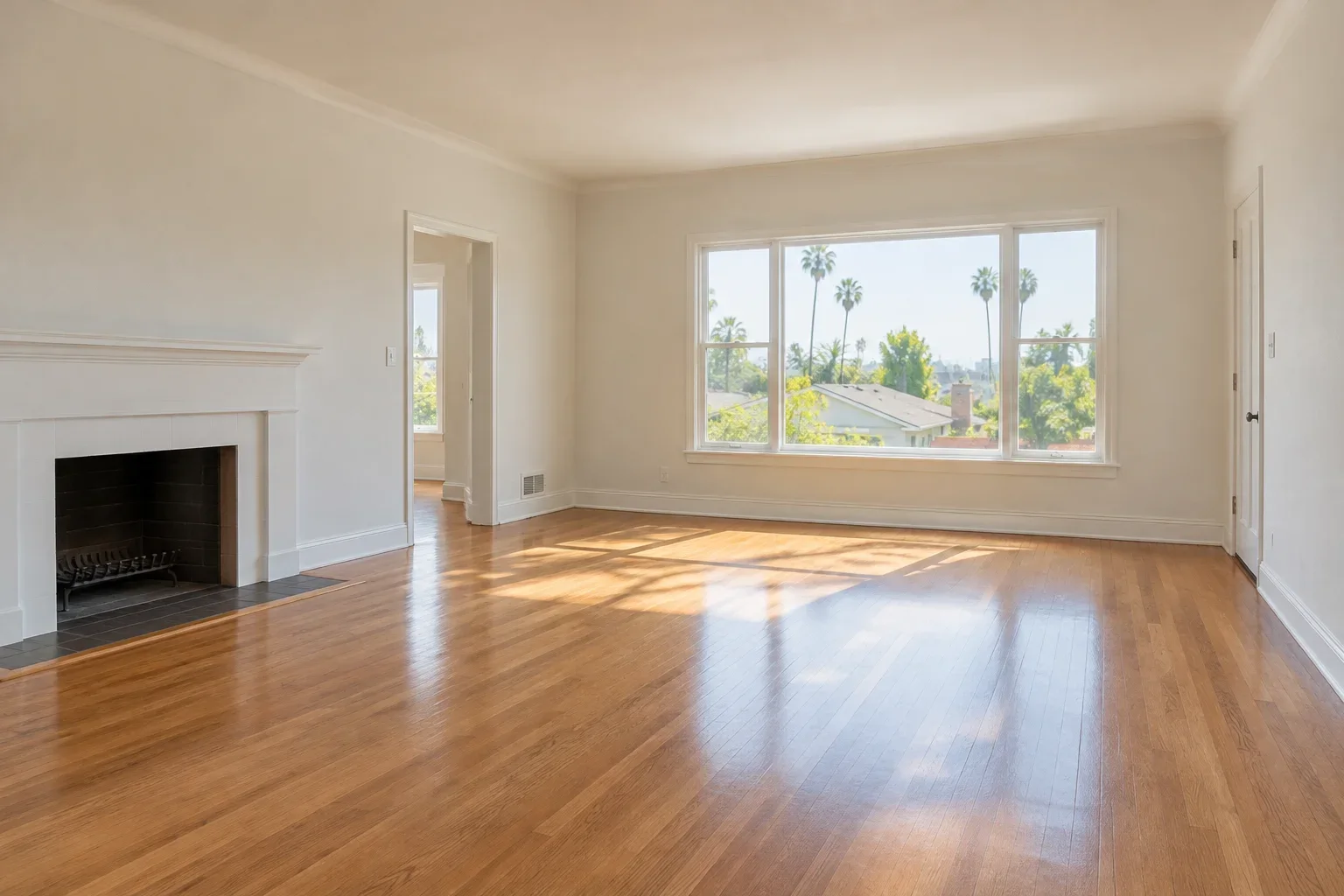
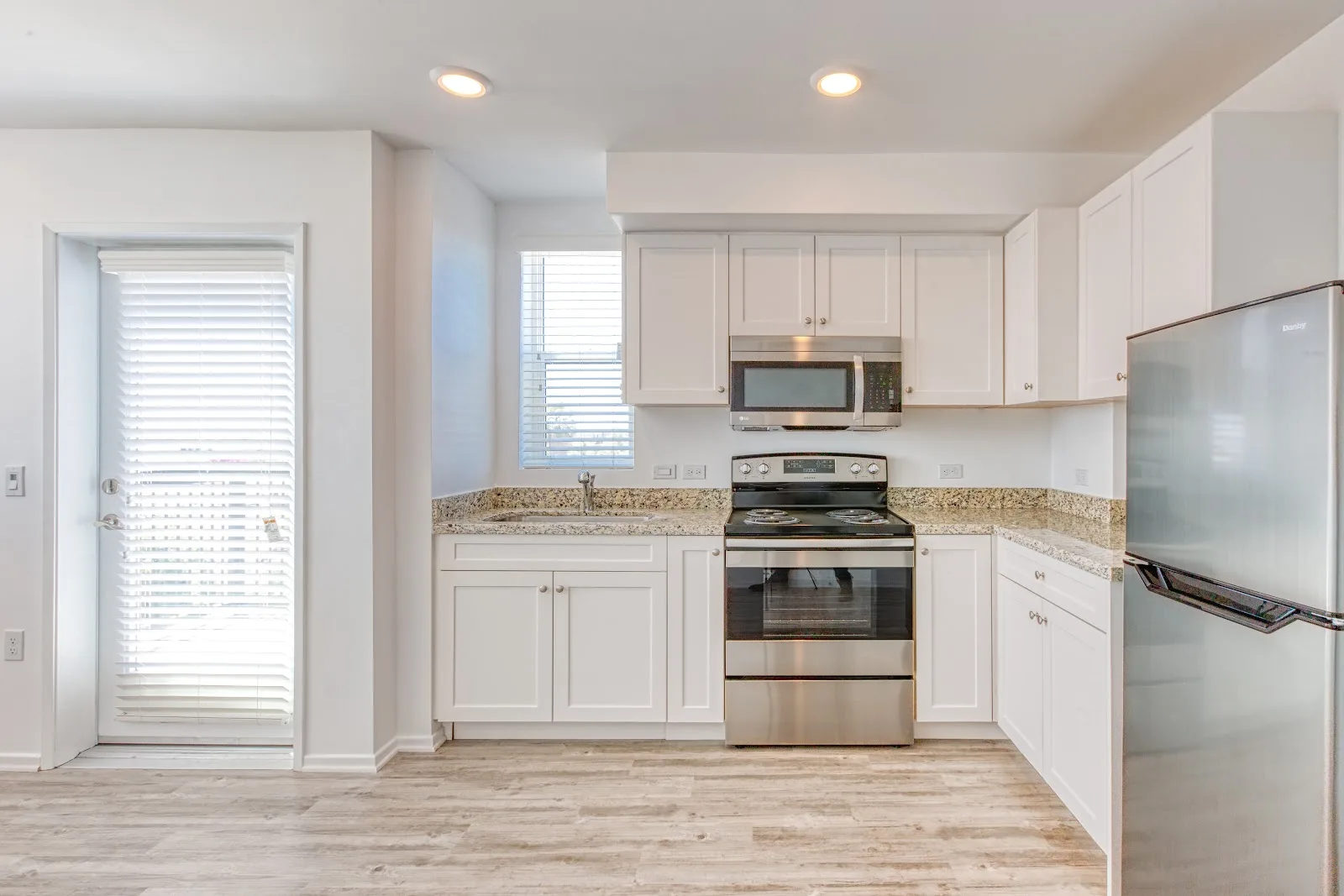
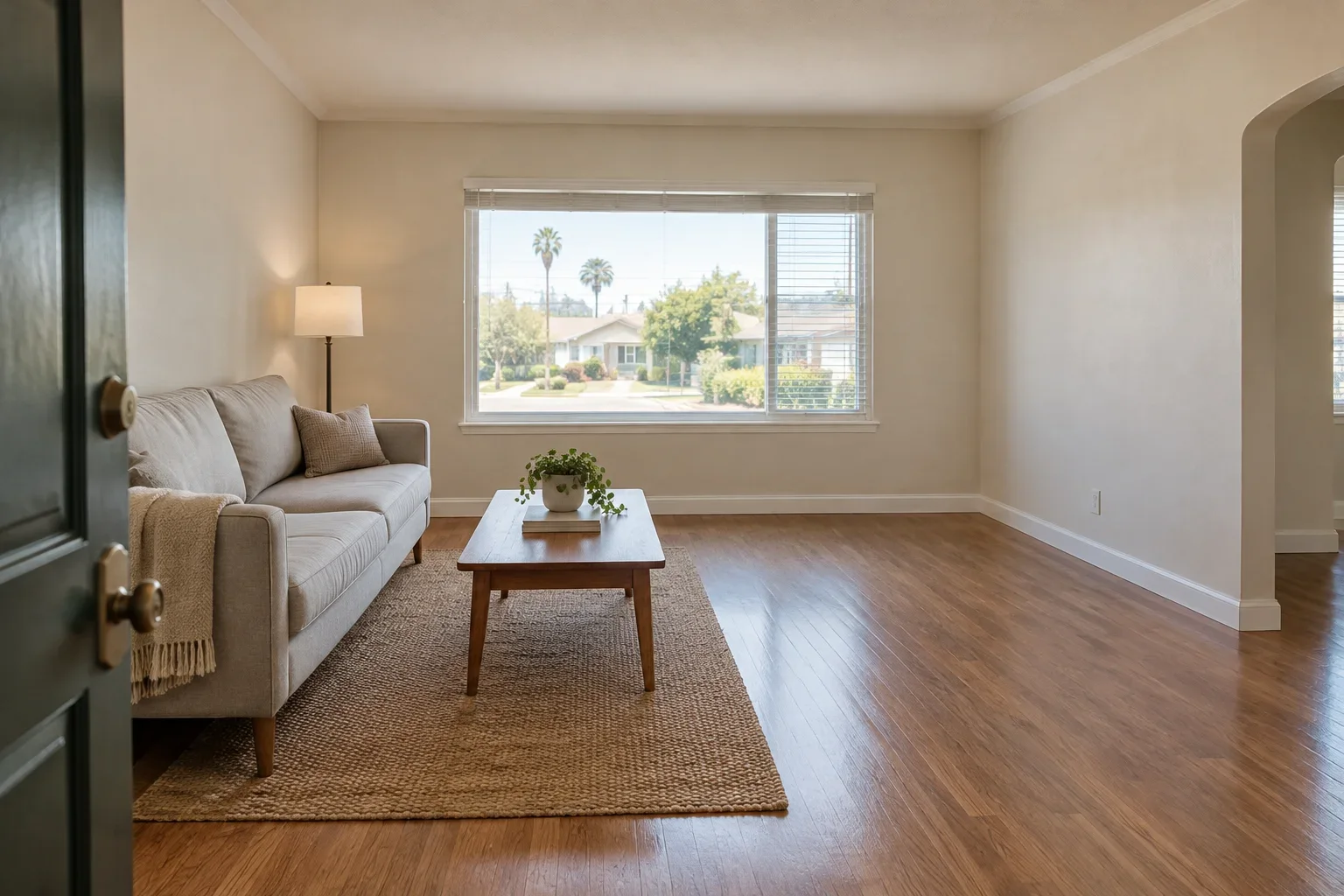
Clear, accurate marketing helps renters decide whether a home fits before they book a tour. Use bright, current photos that show the actual rooms, layout, and important features. Write a straightforward description that states availability, included appliances, parking details, pet terms, and any known limitations. Correct outdated or conflicting details across listing platforms.
Then check the experience in person. The home should be clean, safe to tour, and ready for occupancy as advertised. Test lights and appliances, address obvious maintenance issues, remove odors, and make sure access instructions work. If the property is occupied or has scheduling constraints, explain how to arrange a tour and offer several realistic options.
Respond promptly with useful information, including the next step, showing options, and how to apply. Make the process consistent for all prospects. HUD guidance explains that fair housing requirements apply to rental advertising and screening, including when online platforms or screening services are involved. Owners should review their practices and consult a qualified professional if unsure about applicable requirements.
Use a One-Week Reset Plan
Rather than changing everything at once, use a short review cycle. This makes it easier to connect a change with a real result.
- Day 1: Review inquiry, tour, and application activity. Identify the stage with the biggest drop-off.
- Day 2: Compare the rent and features with similar active listings. Confirm the listing is accurate everywhere.
- Day 3: Improve photos, description, showing availability, or response process based on the evidence.
- Days 4-7: Track new inquiries and tour feedback. If interest remains weak, reassess the price or unresolved condition issues.
Keep a record of listing changes, prospect feedback, approved repairs, and pricing decisions. If the home will remain vacant while you work through the issue, use a checklist for protecting a vacant rental. The next step is to choose one likely cause, make a specific correction, and measure whether it improves the leasing funnel.