After a burst pipe, fire, storm, or vandalism, rental owners should protect people, prevent additional damage, and build an organized claim file. Report the loss promptly, document conditions before cleanup, save invoices, and coordinate repairs with the insurer and tenants. Stabilize the property without destroying evidence or confusing urgent work with covered repairs.
Make the Property Safe and Stop Further Damage
Safety comes first. If there is fire damage, exposed wiring, a gas odor, structural instability, standing sewage, or another immediate hazard, keep tenants and vendors out of the affected area and contact the appropriate emergency service or utility provider.
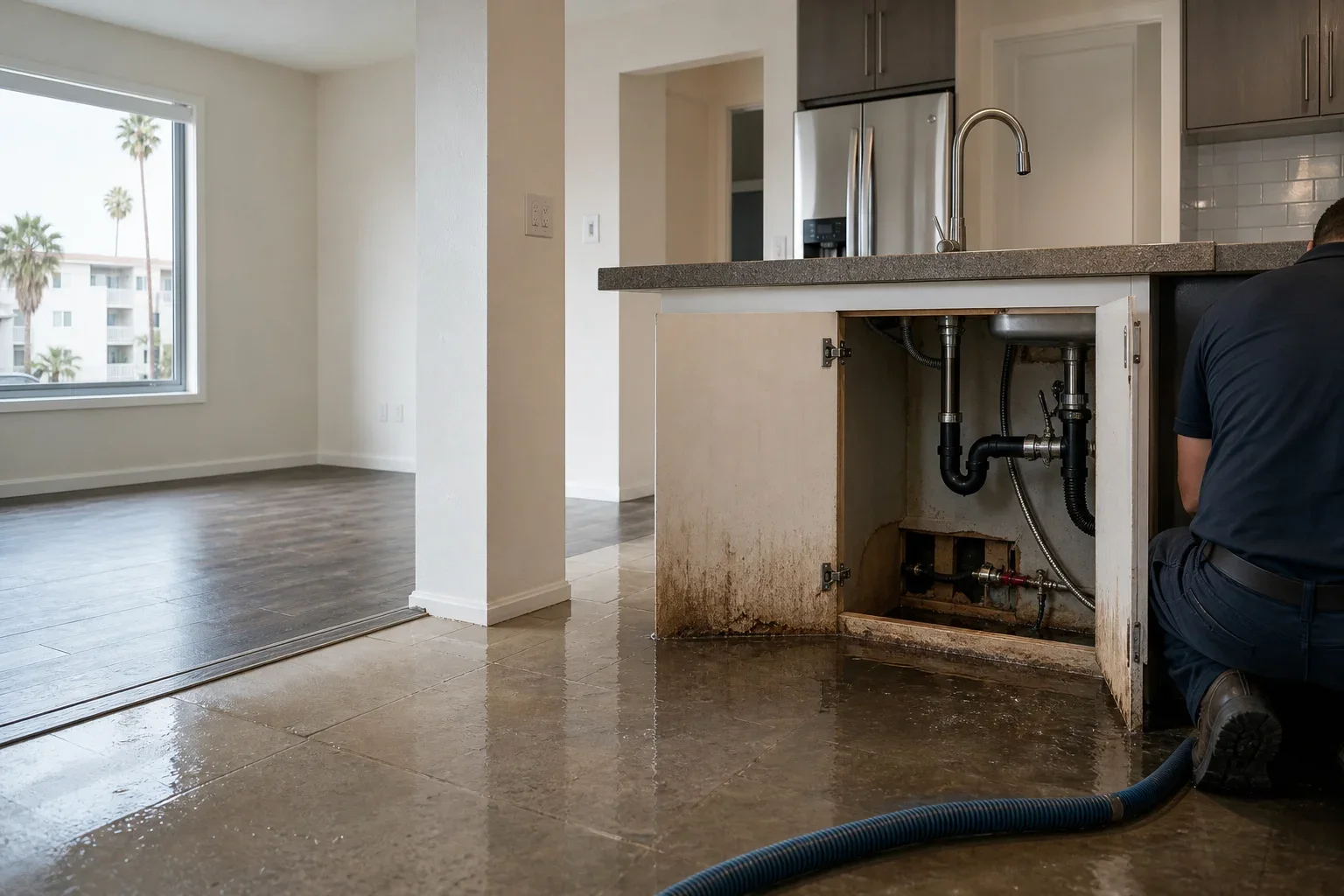
Once the property is safe to approach, take reasonable mitigation steps, such as shutting off water, extracting standing water, covering a damaged roof or window, boarding an opening, arranging temporary security, or removing wet materials. Do not take risks or perform specialized work without qualified professionals.
Keep a written log of when the damage was discovered, who reported it, emergency calls, utility shutoffs, inspections, vendor arrivals, and temporary measures. Ask the insurer how emergency work should be documented and whether it requires a specific mitigation vendor. Avoid extensive permanent repairs or demolition until the adjuster has inspected the property, unless safety requires immediate action.
Notify the Insurer and Build a Claim File
Contact the agent or carrier as soon as practical. Request the claim number, adjuster’s contact information, deductible, applicable coverage sections, proof-of-loss requirements, and instructions for emergency repairs. Review the declarations page and policy language for building coverage, landlord personal property, water or equipment breakdown coverage, loss of rents, exclusions, and sublimits. Coverage depends on the policy and facts of the loss.
Create one digital folder containing the policy, endorsements, mortgage information, lease, move-in inspection, tenant notices, maintenance history, prior repair records, photos, estimates, invoices, permits, reports, payment records, and all communications with the insurer and vendors. Use consistent file names, such as “Unit 2 bathroom ceiling, September 3, 2026.” Keep proof of payment, not just estimates.
Document Damage Before Cleanup
Photograph and record video of each affected room from multiple angles. Capture wide views and close-ups of water lines, soot, broken doors or windows, appliances, flooring, cabinets, ceilings, and personal property. Include a reference for scale and preserve original files.
Do not discard damaged materials until the insurer confirms they may be removed, unless keeping them creates a health or safety risk. If removal is urgent, photograph materials in place first, label samples when practical, and record their location. Moldy drywall, soaked insulation, contaminated flooring, and fire-damaged materials may require specialized handling.
Ask vendors for itemized estimates and invoices identifying the address, unit, date, work performed, materials, labor, taxes, emergency versus permanent work, and areas that could not be inspected.
Communicate Clearly With Tenants
Give tenants timely, factual updates about safety, access, utilities, temporary measures, and next steps. Do not promise that insurance will pay for belongings, hotels, rent credits, or moving expenses. Those questions may involve renters insurance, the owner’s policy, the lease, local rules, or the cause and severity of the damage.
Keep written records of tenant notices, reports of additional damage, entry arrangements, whether the unit is usable, items tenants should protect or leave in place, and any proposed housing, storage, rent adjustment, or access plan. California landlords must address conditions affecting habitability. In Los Angeles, check whether city programs affect tenant notices, habitability planning, temporary relocation, or relocation assistance. For materially affected RSO-covered properties, review residential property management resources and confirm requirements with LAHD or qualified counsel.
Separate Urgent Repairs From Claim-Related Work
Urgent repairs restore safety and prevent worsening damage; claim-related work documents, prices, and completes the covered repair. They may overlap, but they are not identical. Water extraction or removal of an unsafe ceiling section may be urgent, while replacing unaffected cabinets or upgrading finishes may fall outside the claim.
Ask the adjuster to identify approved emergency work, the covered repair scope, the deductible, and owner-paid work. Before authorizing repairs, confirm whether the work is needed for safety, mitigation, code compliance, or restoration; whether it has been inspected or authorized; whether the estimate is itemized; and whether permits, specialty inspections, or environmental assessments are required. Verify contractor credentials, avoid vague scopes and large upfront payments, and understand any assignment of benefits or broad authorization before signing.
Relocation and Claim Resolution
If a unit cannot be safely occupied, ask in writing whether the policy includes loss-of-use or additional living expense coverage, what documentation is required, and whether payments go to the owner, tenant, or service provider. Rental policies may treat relocation, lost rent, and owner expenses differently.
Respond promptly to the adjuster while keeping requests and answers in writing. If a settlement appears incomplete, request the written explanation, policy basis, estimate, and instructions for submitting supplemental damage. Do not sign a final release until you understand what it resolves. For a substantial, disputed, or liability-related loss, consult a California insurance attorney, public adjuster, tax professional, or other qualified advisor.
The immediate checklist is simple: create the claim folder, notify the carrier, photograph the property, and appoint one person to coordinate tenants, vendors, the adjuster, and records. A consistent process can protect the property, reduce confusion, and keep an urgent repair from becoming a documentation problem.