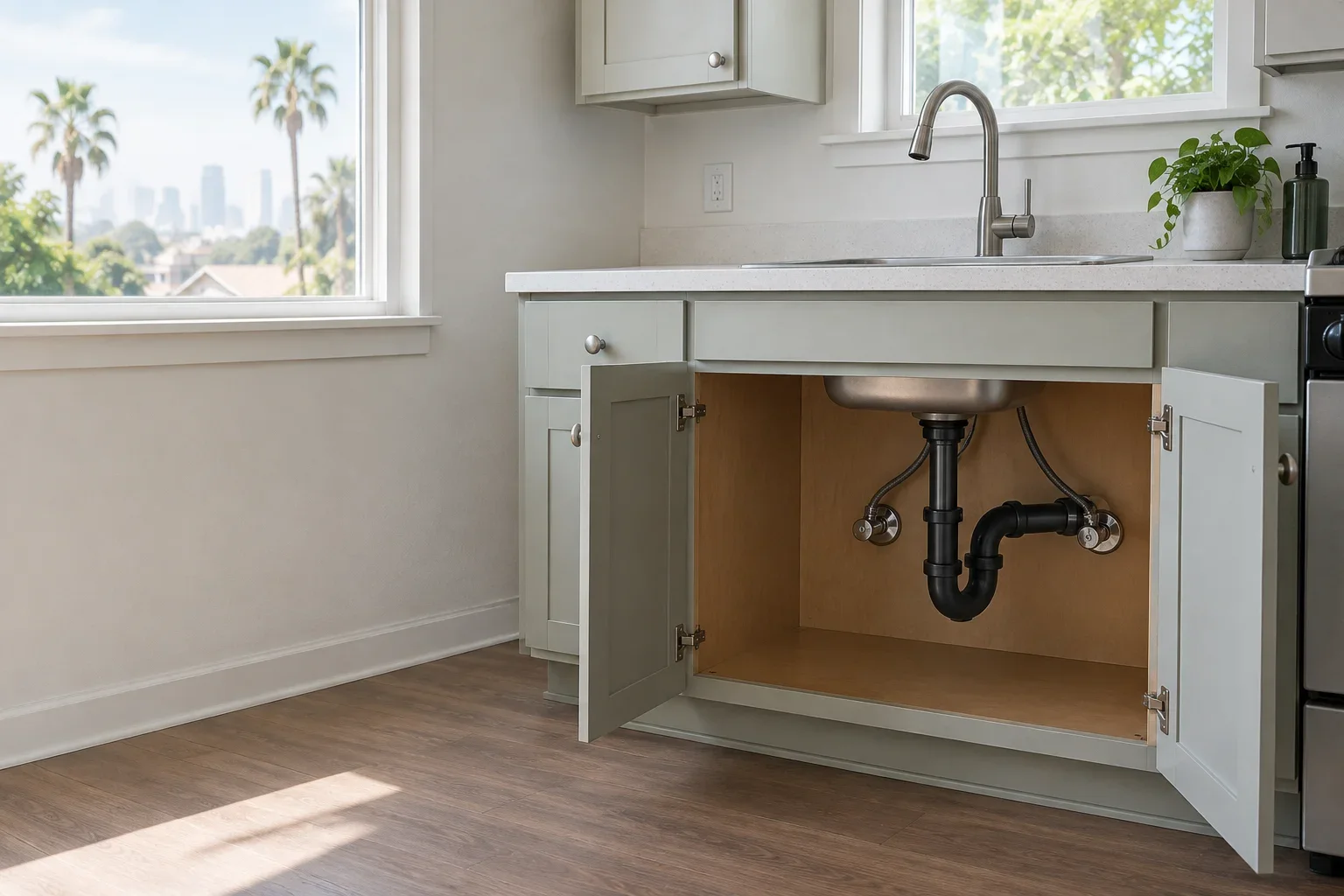
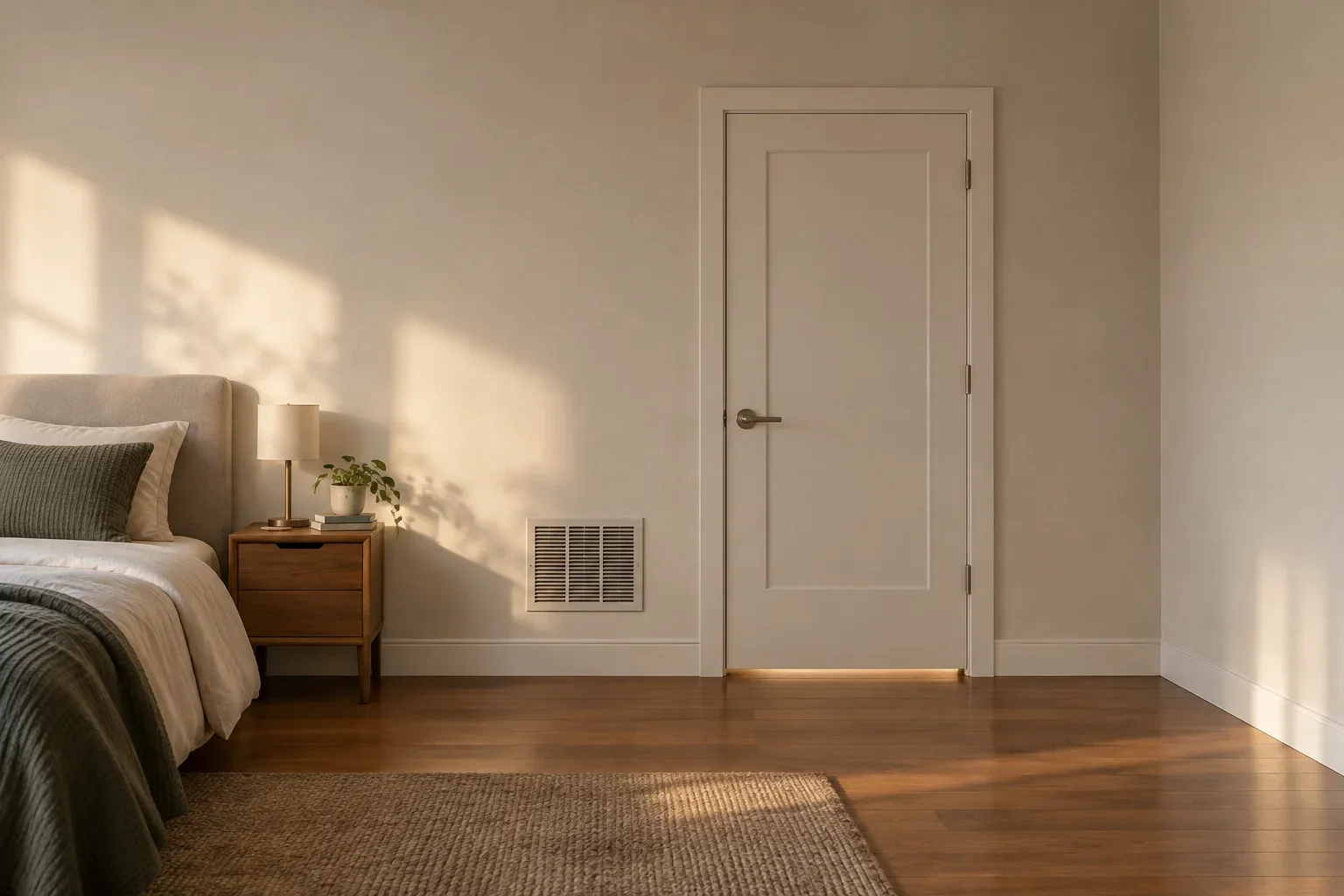
When sound regularly crosses a shared wall, ceiling, floor, or doorway, first identify where and when it travels. Then check for simple gaps or loose components, assess whether a building system may be involved, and speak with residents neutrally before deciding on repairs or conduct-related follow-up. A brief, consistent record helps owners and managers avoid guessing, blaming the wrong source, or promising that a repair will make a home silent.
Start With a Clear, Neutral Noise Record
Ask the reporting resident for specific observations, not conclusions about a neighbor’s intentions. Record the date, start and end time, room where the sound is heard, type of sound, and whether it is steady, intermittent, or linked to equipment use. Ask whether doors or windows were open and whether the sound is audible in more than one location.
For example, “low humming near the bedroom wall from 10:15 to 10:40 p.m.” gives a maintenance professional more to investigate than “the upstairs tenant is being disruptive.” Request a short written log for recurring episodes. Audio or video can provide context, but it may not reliably identify the source or show how loud the sound is. Do not encourage residents to record private conversations or confront one another.
Keep reports, inspection notes, resident communications, and work orders together. This is a practical way to handle what rental owners should document in Los Angeles: the reported conditions, steps taken, findings, and any follow-up.
Separate Sound Transfer From Conduct Concerns
Sound heard through a shared surface does not by itself establish a lease violation. Ordinary footsteps, voices, plumbing, or appliance noise may seem pronounced because of the building’s layout or a gap in an assembly. A repeated late-night event may warrant a separate, neutral conduct review, but assess observable details and the lease or applicable rules rather than assuming fault.
Look for patterns that point toward a physical source:
- A sound occurs when a fan, heater, pump, or other system starts.
- A vibration or hum is strongest near a wall, ceiling, pipe, or equipment closet.
- Several residents report a similar sound or timing.
- Sound seems to pass through a doorway, vent, outlet, pipe opening, or floor-ceiling assembly.
If reports appear to describe resident behavior, contact each party separately and calmly. State what was reported, ask for their account, and explain the next step without sharing unnecessary personal details. Avoid taking sides before the facts are clearer.
Inspect Low-Disruption Items First
With appropriate notice and access, inspect the area residents identify. Check whether doors close and latch properly, weatherstripping or door sweeps are worn, and visible openings around trim or service penetrations may be carrying sound. Do not seal vents or make changes that could interfere with required ventilation, fire protection, or building systems.
For impact noise, note the flooring and the room above. A hard surface, loose finish, or missing or damaged underlayment may deserve professional review, but a rug or soft furnishing is not a universal fix. Check whether the sound is actually coming from shared mechanical equipment: have a qualified technician inspect rattling fans, pumps, ductwork, mounts, and pipes. Do not ask residents to open equipment or attempt electrical or mechanical repairs.
Where symptoms persist, use a qualified acoustical professional or building contractor to trace the path before authorizing a major wall or ceiling project. Sound can travel around a shared wall through adjoining assemblies, so adding material to the obvious surface may not solve the underlying issue.
Choose a Proportionate Next Step
Match the response to the evidence. A worn door seal may call for a small repair; a recurring equipment-linked hum may call for a service visit; persistent transfer with no obvious source may warrant a documented assessment. Before approving larger work, ask what condition the proposal addresses, what assembly or system will be inspected, whether access to another unit is needed, and how the contractor will verify completion. For rental property maintenance planning in Los Angeles, compare the reported pattern with inspection findings and obtain a clear written scope. See this vendor invoice review checklist when evaluating the final bill against the approved work.
California’s 2025 Building Standards Code took effect on January 1, 2026. That does not mean every existing building or repair is automatically subject to the same requirements. Before altering a rated wall, floor, ceiling, or mechanical system, ask a qualified professional or local building department which code, permit, and fire-safety requirements apply to the property and proposed work.
Set Expectations and Close the Loop
Tell residents what will happen next and when they can expect an update. Be specific: “We will inspect the bedroom door seal on Tuesday, then decide whether a contractor should evaluate the wall.” Explain that the goal is to identify and address a confirmed cause, not to guarantee a sound-free home. After work, ask whether the reported sound changed, record the response, and schedule further evaluation if it continues.
Owners who want help coordinating resident communication, inspections, and repairs can review residential property management services. Whatever the next step, keep communication factual, protect residents’ privacy, and document what was reported, inspected, decided, and completed.