A fair pest control process starts with prompt action, neutral fact-finding, and clear communication. When a renter reports rodents, cockroaches, bedbugs, termites, or another pest, do not assume the cause or assign costs before an inspection. The goals are to protect habitability, identify the source, coordinate qualified treatment, and document each step.
1. Record the Complaint and Triage the Risk
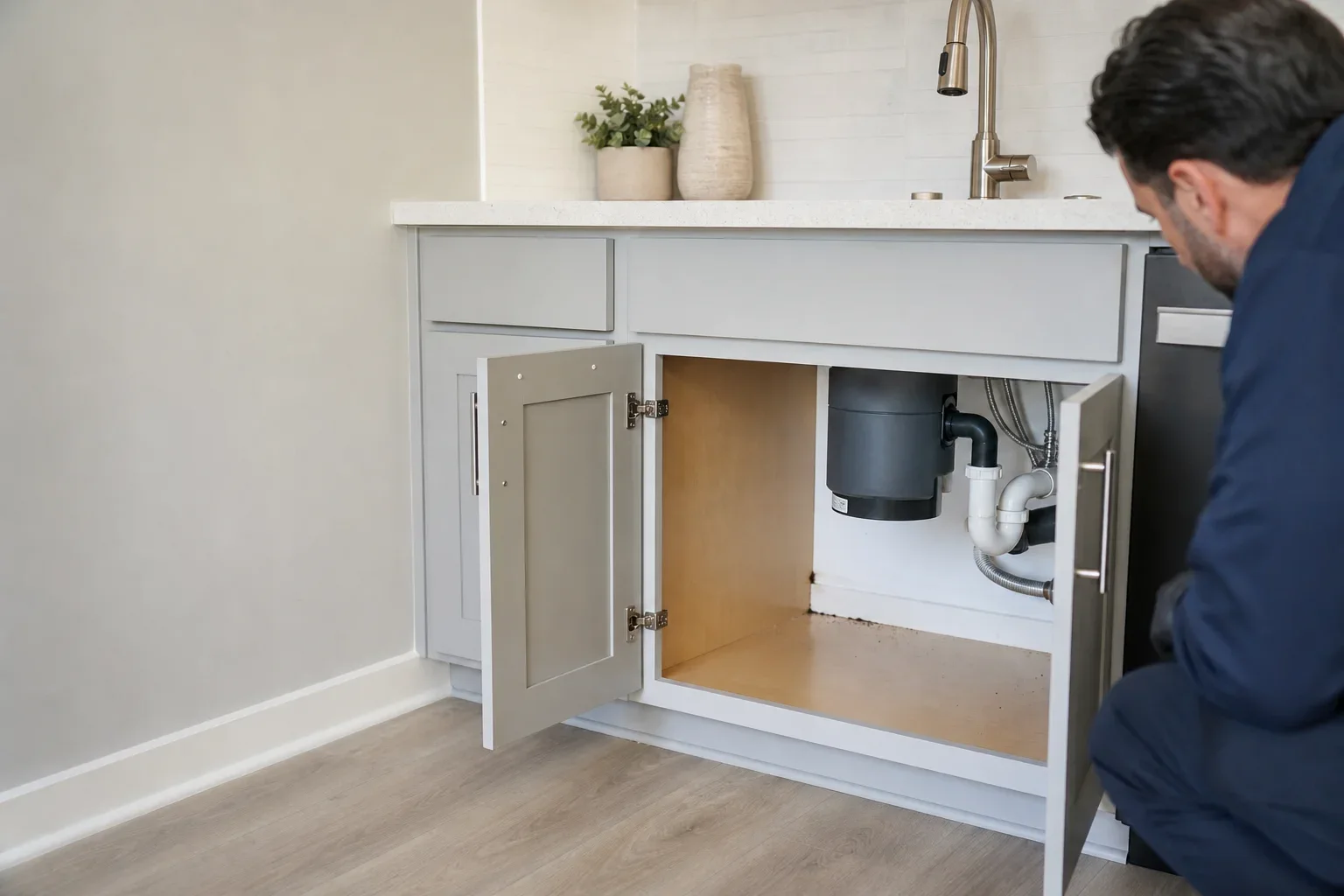
Ask the resident to use the normal maintenance channel, such as the resident portal, email, phone, or text. If the report is verbal, create a written record and confirm the details. Note the date and time, suspected pest, number of sightings, exact locations, photographs or other evidence, and any health, safety, accessibility, or relocation concerns. Also ask about recent leaks, construction, landscaping, move-ins, used furniture, and neighboring-unit reports.
Use neutral wording: “Resident reports possible cockroach activity near the sink” is more useful than “Resident caused an infestation.” A consistent record also supports what rental owners should document in Los Angeles after maintenance work.
Not every sighting establishes a legal habitability violation, but every report deserves a timely response. California Civil Code Section 1941.1 identifies a dwelling as untenantable when it substantially lacks required conditions, including areas under the landlord’s control being kept clean, sanitary, and free from accumulations of rodents and vermin.
Escalate reports involving widespread activity, rodents entering living areas, suspected bedbugs, stinging or biting insects, contamination, children or medically vulnerable occupants, structural damage, sewage, water intrusion, or multiple units. Treat termites and other wood-destroying organisms as potentially structural issues. Tenant cleanliness and waste-disposal responsibilities may matter when those conditions substantially contribute to the problem, but do not make an accusation before a qualified assessment.
2. Arrange Lawful Inspection and Entry
Explain why access is needed, who will attend, what areas may be inspected, and the expected duration. For non-emergency entry, California Civil Code Section 1954 generally requires reasonable written notice stating the date, approximate time, and purpose. Twenty-four hours is presumed reasonable in many situations, and entry should normally occur during business hours.
Coordinate with the renter rather than treating entry as a surprise. For bedbug investigations, California law specifically treats inspection of selected and surrounding units, plus follow-up inspections until elimination, as a necessary service. Tenants must cooperate with inspections and provide information needed by the pest professional, while owners must follow applicable notice and access rules.
Keep copies of notices, delivery records, appointment confirmations, access attempts, cancellations, and agreed changes. If an emergency presents an immediate threat to people or property, document the facts supporting emergency access and notify the resident as soon as reasonably possible.
3. Use a Qualified Vendor and Written Treatment Plan
Have the property inspected by a properly qualified pest control company. California’s Structural Pest Control Board distinguishes between Branch 2 household pest work and Branch 3 wood-destroying pest work. Verify the company or individual license through the Board before authorizing treatment.
Request a written assessment identifying the pest or confirmed evidence, likely contributing conditions without overstating certainty, recommended treatment and safety restrictions, areas or adjacent units requiring inspection, and the expected follow-up schedule.
For rodents, cockroaches, and similar pests, an integrated approach may combine sanitation, exclusion, removal of food and water sources, sealing entry points, monitoring, and targeted treatment. For bedbugs, avoid diagnosis based only on bites. California Department of Public Health guidance calls for prompt professional inspection; its fact sheet states that the owner should arrange inspection within 48 hours of a reported suspected infestation and provide written findings within two business days of receiving them.
4. Communicate Preparation, Costs, and Safety
Send written preparation instructions from the vendor, including the service date, duration, access requirements, food and pet precautions, and any required time away from the unit. Instructions should be specific and achievable. Explain what the resident must do, what management will handle, and whom to contact if preparation creates a hardship.
For bedbugs, preparation may include bagging or laundering bedding and clothing, reducing clutter, and leaving treated items in place as directed. Residents should not apply unapproved pesticides, move potentially infested furniture to another unit, or use gasoline or kerosene. Treatment and re-entry instructions should come from the qualified vendor and product label.
Do not make a tenant pay simply because the report came from the tenant or treatment is inconvenient. If an assessment supports a claim that a tenant substantially caused damage or failed to follow reasonable instructions, review the lease, evidence, local rules, and applicable California law before seeking reimbursement or making a deduction.
5. Follow Up and Close the File
After treatment, obtain the vendor’s service report, photographs when appropriate, chemical and safety information, invoices, preparation notes, and recommendations. Schedule the follow-up inspection or monitoring visit rather than assuming one treatment solved the issue. In multifamily properties, consider connected or adjacent units when recommended.
Give affected residents a written update describing what was inspected, whether evidence was confirmed, what treatment occurred, what remains required, and the next review date. For confirmed bedbug findings, California law requires written notice to tenants of inspected units within two business days after the landlord receives the pest control operator’s findings.
Close the file only after the resident has had a reasonable opportunity to report continuing activity and follow-up supports resolution. Retain the complaint, triage decision, notices, inspection results, work authorization, preparation communications, treatment reports, invoices, follow-up findings, and final communication. Owners can pair this process with residential property management support in Los Angeles and a written maintenance response policy.
Fairness Checklist
- Respond promptly without assigning blame.
- Separate reported facts from assumptions.
- Assess habitability, health, safety, and possible spread.
- Provide lawful written notice before non-emergency entry.
- Use the appropriate licensed pest control professional.
- Give clear preparation and safety instructions.
- Inspect, treat, monitor, and follow up as recommended.
- Document notices, access, findings, costs, and communications.
- Obtain legal advice before charging a tenant or making a disputed deduction.
For California rentals in Los Angeles and the San Fernando Valley, consistency protects everyone. A neutral process encourages earlier reporting, reduces avoidable conflict, and gives owners better evidence for deciding what treatment is actually needed.