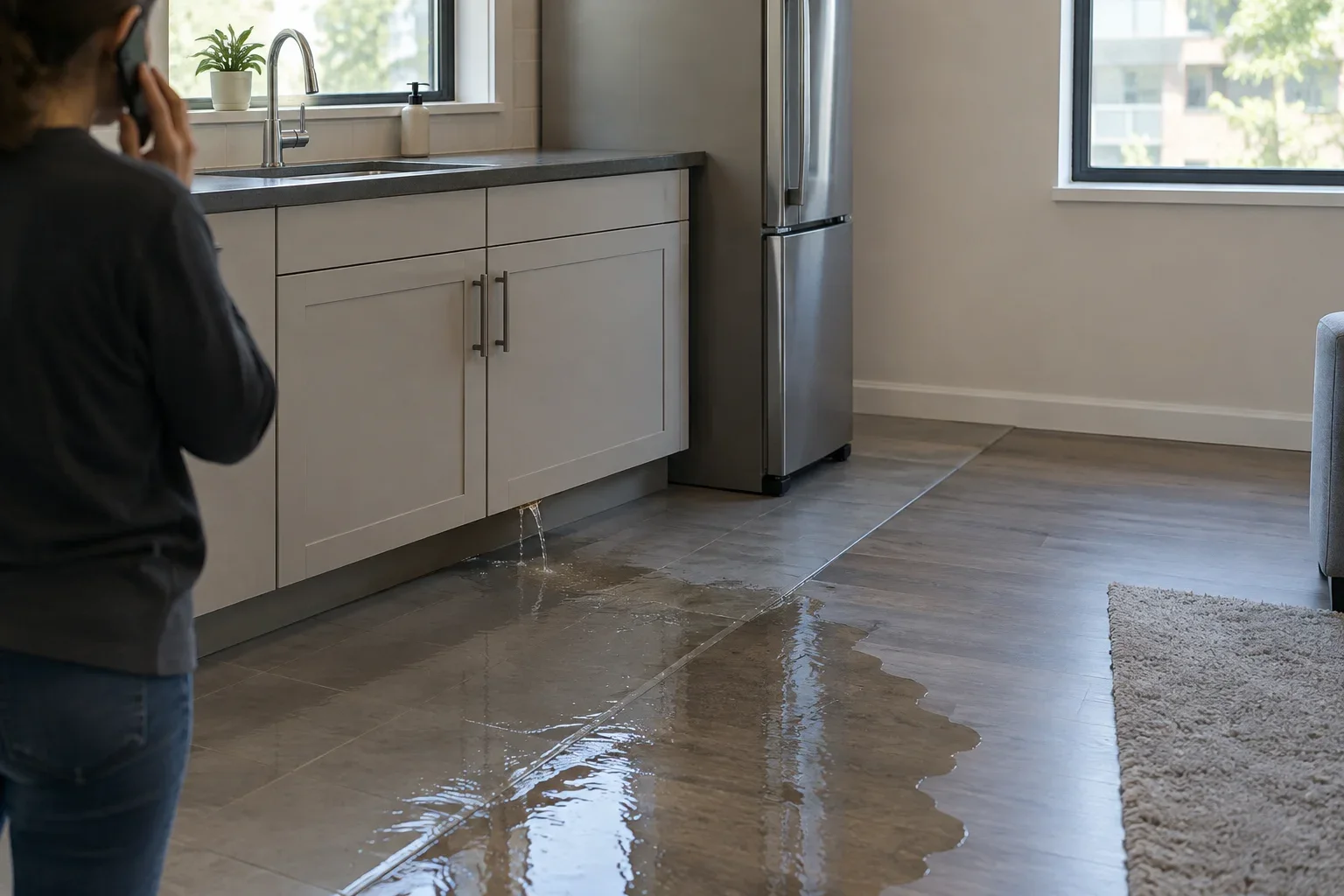

Before a Los Angeles or San Fernando Valley rental sits empty for weeks or months, make a written plan for security, utilities, inspections, and maintenance. Confirm your insurance requirements, choose a reliable local contact, and document the home’s condition before it is left unattended. These steps go beyond a tenant turnover checklist: turnover prepares a home for its next resident, while long-vacancy planning keeps the property protected for as long as it remains empty.
Start With Insurance, Access, and a Baseline Record
Contact your insurance agent before the vacancy begins. Explain how long the home may be unoccupied and ask whether the policy has vacancy-related conditions, exclusions, or required precautions. Do not assume your usual coverage applies unchanged: policy language varies, and California’s Department of Insurance notes that losses involving homes vacant for 60 days or more may be excluded under some policies. Ask for guidance that applies to your specific policy.
Set up a secure way for an authorized person to enter. Limit keys and access codes to people who need them, and remove access for former residents, vendors, or others who no longer need it. Give your local contact the owner’s details, alarm instructions, and authority for urgent decisions. Set a spending limit for emergency repairs and clarify when they must call you first.
Before leaving, create a dated condition record. Photograph or video each room, appliances, windows, doors, and visible plumbing. Include close-ups of existing wear or damage, and save the files with inspection notes, utility information, and receipts. This makes it easier to compare conditions at later visits and document maintenance. For more on organizing property records, see a system for tracking rental property records.
Protect Water, Temperature-Sensitive Systems, and Utilities
Walk through the home and check for active drips, slow drains, running toilets, and damp areas. Repair known issues before the property is unattended. Decide with a qualified plumber or contractor whether shutting off the main water supply is appropriate. If water must remain on for a sprinkler system or other equipment, ask how to reduce leak risk and ensure someone can respond quickly.
- Keep electricity on if needed for alarms, a sump pump, refrigeration, ventilation, or a smart thermostat. Confirm which systems need power before disconnecting service.
- Set heating and cooling based on the home’s equipment, season, and insurer or manufacturer guidance. Avoid switching off temperature control without checking whether pipes, finishes, or other systems could be affected.
- Test smoke and carbon monoxide alarms where installed, and confirm any security or leak sensors are powered and connected.
- Unplug nonessential small appliances and remove perishable food. Do not disable critical equipment just to reduce utility use.
If water damage occurs despite preparation, a prompt response can limit further harm. Keep a clear reporting and repair process available to your local contact, and review what to do during the first hours of rental water damage.
Schedule Checks, Mail, and Exterior Care
Set recurring visits at an interval that fits the home’s condition, systems, exposure, and insurance requirements. A vacant property still needs active oversight. Have the person checking the home walk the interior and exterior, look for leaks or odors, confirm doors and windows are secure, and report anything unusual with photos. Record the visit date, observations, and action taken. Arrange an additional check after severe weather, a reported break-in, or a repair.
- Mail and deliveries: Remove visible mail and packages regularly. USPS Hold Mail covers 3 to 30 days, so for a longer absence, arrange regular pickup or ask USPS about an appropriate forwarding option.
- Landscaping: Schedule mowing, trimming, and irrigation checks. Clear dry debris where appropriate, keep walkways visible, and ensure plants are not concealing doors or windows.
- Trash and common areas: Cancel or adjust collection only if appropriate for the property, and keep bins from accumulating or signaling that no one is checking the home.
- Exterior and security: Check gates, lighting, visible damage, and signs of unauthorized entry. Avoid leaving notes, keys, or access instructions where they can be seen.
Use a Long-Vacancy Checklist, Not Just Turnover Tasks
A turnover process typically focuses on cleaning, repairs, keys, and readiness for a new renter. Long-vacancy preparation adds ongoing protection: scheduled visits, system monitoring, mail and landscaping plans, and current emergency contacts. Before the home is left empty, confirm that each task has a named person and a completion date.
- Confirm the vacancy period and insurance guidance with the agent.
- Save dated photos, inspection notes, and a list of existing issues.
- Test alarms and security equipment, and decide which utilities must remain active.
- Document water shutoff and emergency procedures for the local contact.
- Book recurring property checks, landscaping, and mail pickup.
- Share current owner, contractor, utility, and emergency contact information.
Recheck the plan if the vacancy runs longer than expected, the season changes, or the home develops a new maintenance issue. Owners who want help coordinating inspections, maintenance, and leasing can review residential property management services. For insurance interpretation, consult your agent; for system-specific work, use a qualified contractor.