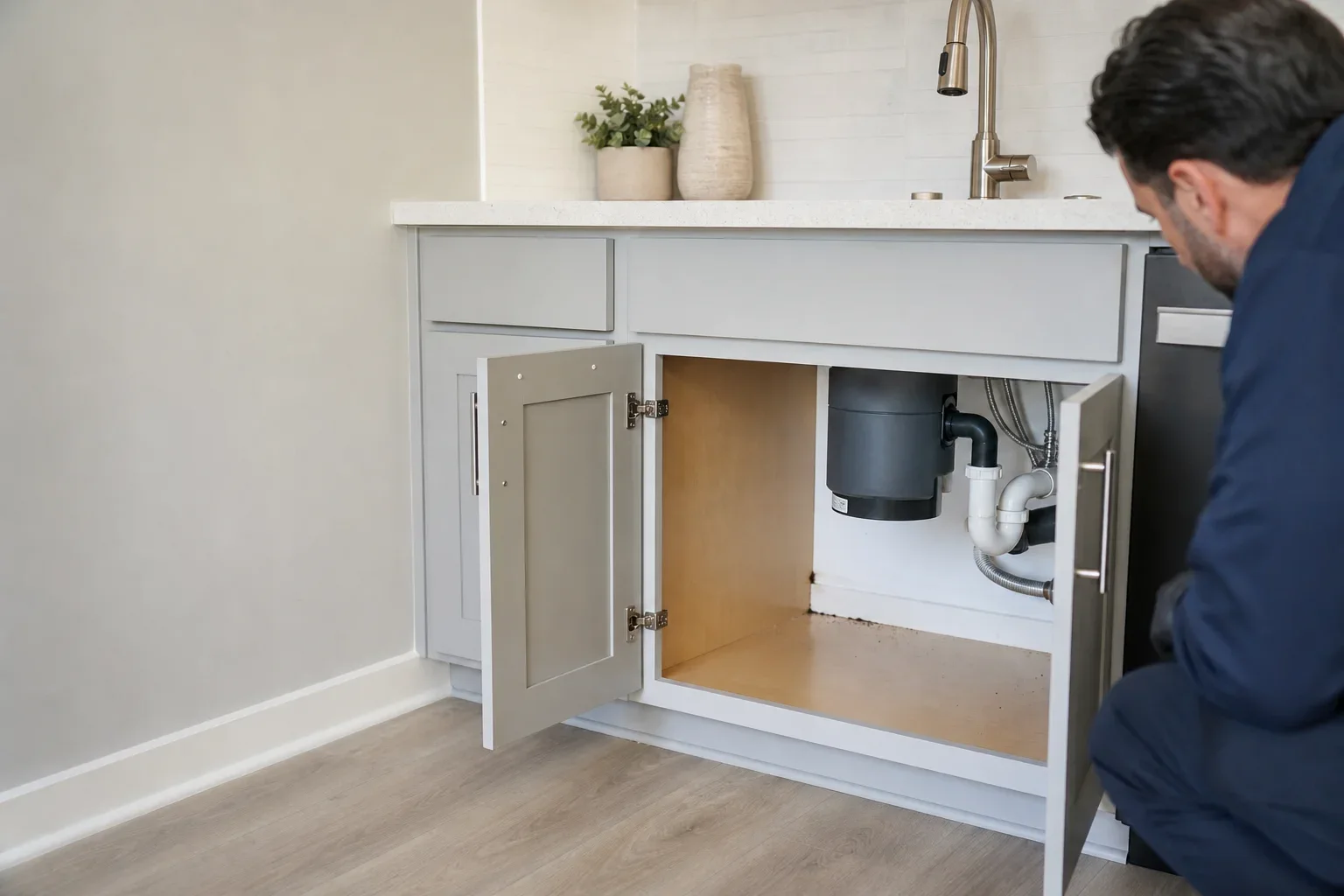
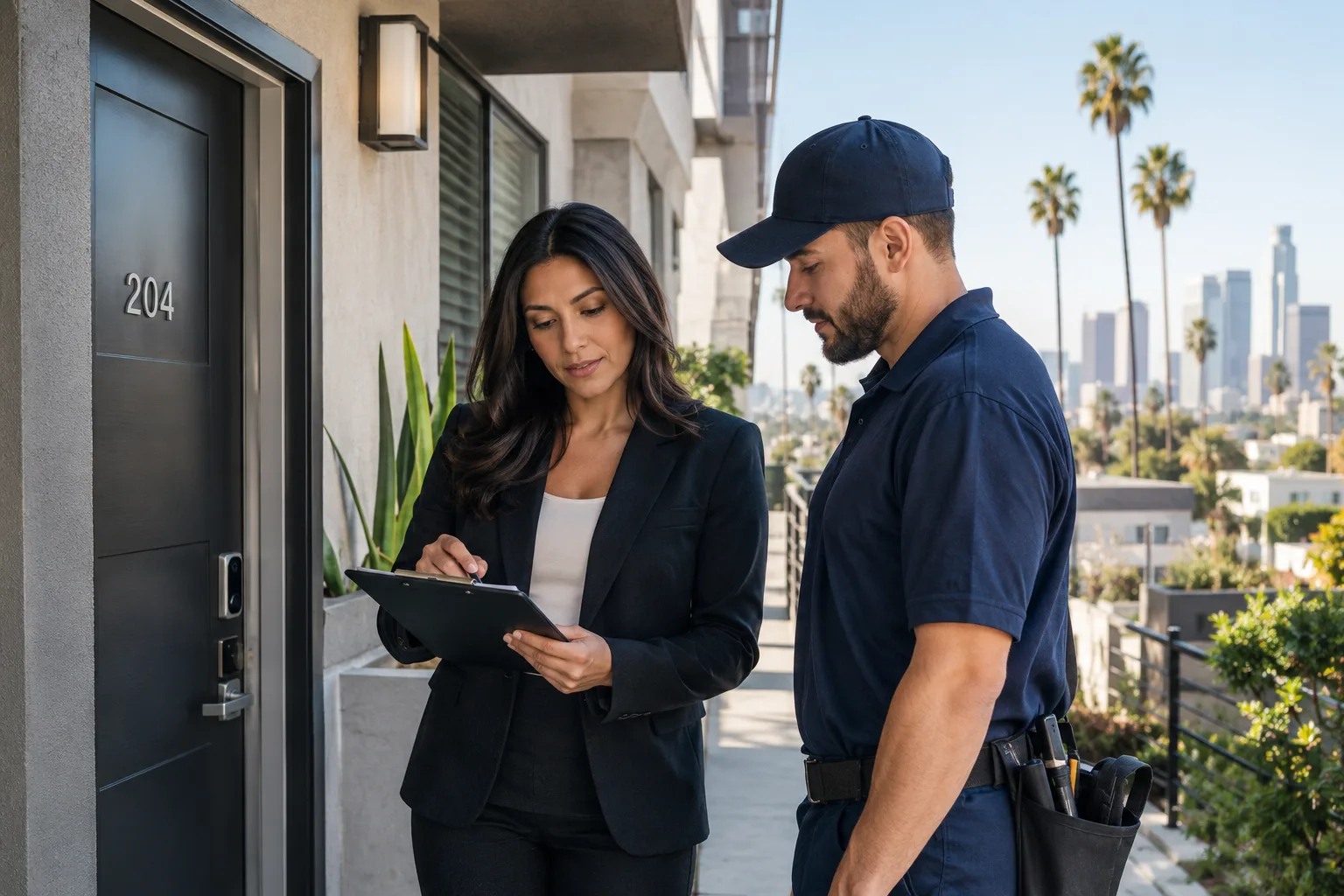
In Los Angeles and the San Fernando Valley, one of the quickest ways a rental relationship can turn into a legal and financial headache is a “lockout” or tenant exclusion that is handled informally. Even when an owner thinks they are acting reasonably, California law generally requires landlords to go through specific procedures, especially when the goal is to terminate occupancy or force a tenant out.
This playbook is designed for owners, investors, and renters. It outlines what tends to qualify as an illegal lockout or unlawful tenant exclusion, plus Suave’s practical process for maintenance access and entry requests, including notice, scheduling, key and lock control, supervision expectations, and emergency handling.
What Can Count as an Illegal Lockout or Tenant Exclusion in California?
California Civil Code section 789.3 addresses unlawful lockouts and utility interruptions. Educationally, it is aimed at preventing landlords from willfully causing an interruption or termination of utility services, or willfully and directly causing a tenant to be denied possession through certain actions, with the intent of terminating occupancy. If you are ever unsure whether an action is “punitive” or intended to end occupancy, stop and consult qualified legal counsel.
Common red flags that managers and owners should treat as high-risk:
- Changing locks, removing doors or otherwise altering access in a way that denies the tenant continued possession.
- Turning off utilities or taking actions intended to pressure a tenant to leave.
- Forcing exclusion during disputes, even if rent is late or there is tension around repairs.
For renter readers: if you believe you were locked out or excluded unlawfully, document what happened immediately and consider contacting a tenant attorney or a local legal aid organization.
Tenant Access and Maintenance Entry: The California Notice Framework
For routine maintenance, inspections, and legitimate entry, the key concept is that landlord access rights in California are limited and generally require reasonable notice in writing and entry during normal business hours, with narrow exceptions (for example, emergencies). California Civil Code section 1954 sets out the basic structure for when notice is required and what the notice should include.
As a best-practice manager workflow, Suave follows these principles:
- Provide written notice describing the date, approximate time, and purpose of entry.
- Enter only during normal business hours, unless a true emergency exists.
- Coordinate with the tenant to improve compliance and reduce disputes.
- Do not use entry as leverage. Entry should be limited to the stated purpose.
Note: While some landlords may use texting or email for courtesy, the formal notice needs to comply with the statute’s writing and delivery expectations. When in doubt, default to conservative compliance and consult legal counsel.
Suave’s Practical Process: Keys, Scheduling, Supervision, and Tenant-Friendly Access
Illegal lockouts often start with “good intentions,” like swapping locks for access convenience. Suave’s approach is to protect possession rights and still get repairs done.
1) Key and Lock Control
- Maintain controlled access to keys for staff and contractors.
- Track key usage internally, including who had access and when.
- When lock changes are needed for legitimate security reasons, coordinate with counsel and follow lawful procedures.
2) Scheduling That Keeps Tenants Comfortable
- Offer a time window that is realistic for maintenance.
- Confirm the appointment through a documented communication trail.
- Provide an option to reschedule if the tenant communicates conflicts ahead of time.
3) When to Require Supervision
Suave uses supervision when the work type or tenant preference increases risk of misunderstanding or access disputes. In practice, supervision is often recommended when:
- There is a history of access refusals or communication breakdowns.
- Entry will be prolonged, involve sensitive areas, or requires careful handling.
- The tenant requests supervision to feel safe or present.
Even when supervision is requested, the goal remains lawful and respectful entry. If the tenant does not allow entry for a scheduled, properly noticed reason, consult your compliance checklist and legal guidance.
Emergency Entry: No Notice Scenarios and What to Do Right Away
Emergencies are the exception that can justify entry without the same notice steps. Examples include situations where delaying entry would likely cause significant harm.
Suave’s emergency handling sequence:
- Act to prevent harm first.
- Document the reason for emergency entry (what was observed, when, and by whom).
- Notify the tenant immediately as soon as practical, even if after entry.
- Record what work was performed and why it was necessary.
After the emergency is controlled, follow up with compliant communications for any subsequent planned work.
Step-by-Step Checklist and Sample Documentation Notes
Use this simple checklist for every access attempt and every change in plan.
Access Attempt Checklist
- Request logged: capture the maintenance reason and urgency.
- Confirm notice requirement: if not emergency, use written notice for planned entry.
- Set time window: choose normal business hours and a realistic arrival window.
- Notify tenant: provide date, approximate time, and purpose in writing.
- Document communications: log calls, texts, emails, and any tenant responses.
- Entry day protocol: arrive, identify staff, and enter only for the stated purpose.
- If tenant not present: do not improvise, do not exclude, do not lock out. Follow your reschedule and documentation steps.
- Close the loop: after the work, confirm completion details and any next steps.
Sample Notice Content (Template Structure)
- Date notice provided: [insert]
- Date of entry: [insert]
- [insert time window]
- [repairs, inspection, maintenance, etc.]
- [property manager, maintenance technician, vendor]
- [call or text contact number]
If you want, Suave can help you operationalize this into your property’s internal “access packet” so tenants, owners, and contractors stay aligned.
Bottom line: The most effective way to prevent illegal lockouts is to treat access like a compliance workflow, not a convenience shortcut. Keep the process documented, tenant-friendly, and conservative for notice and entry timing.
If you need help building a tenant access SOP for a Los Angeles or San Fernando Valley property, Suave is ready. Contact us at (818) 533-8845 or email [email protected].