Why North Hollywood deposit disputes start with documentation
In Los Angeles and the San Fernando Valley, security deposit disputes often come down to one question: what was the unit’s condition at move-in, and what changed by move-out? A clear photo and documentation workflow helps both sides. It also supports California security deposit requirements, including the landlord’s obligation to provide an itemized statement and return any remaining deposit within statutory timelines. If you manage in North Hollywood, build your process around consistency, completeness, and organization.
Move-in photo checklist: photograph condition, not just “clean”
Do the move-in inspection with a single goal: create a baseline record you can repeat later at move-out. Use a phone camera app that records the date and time in the file metadata, and back up the originals to a secure folder for that specific unit and lease term.
1) Set up your “first shot” reference
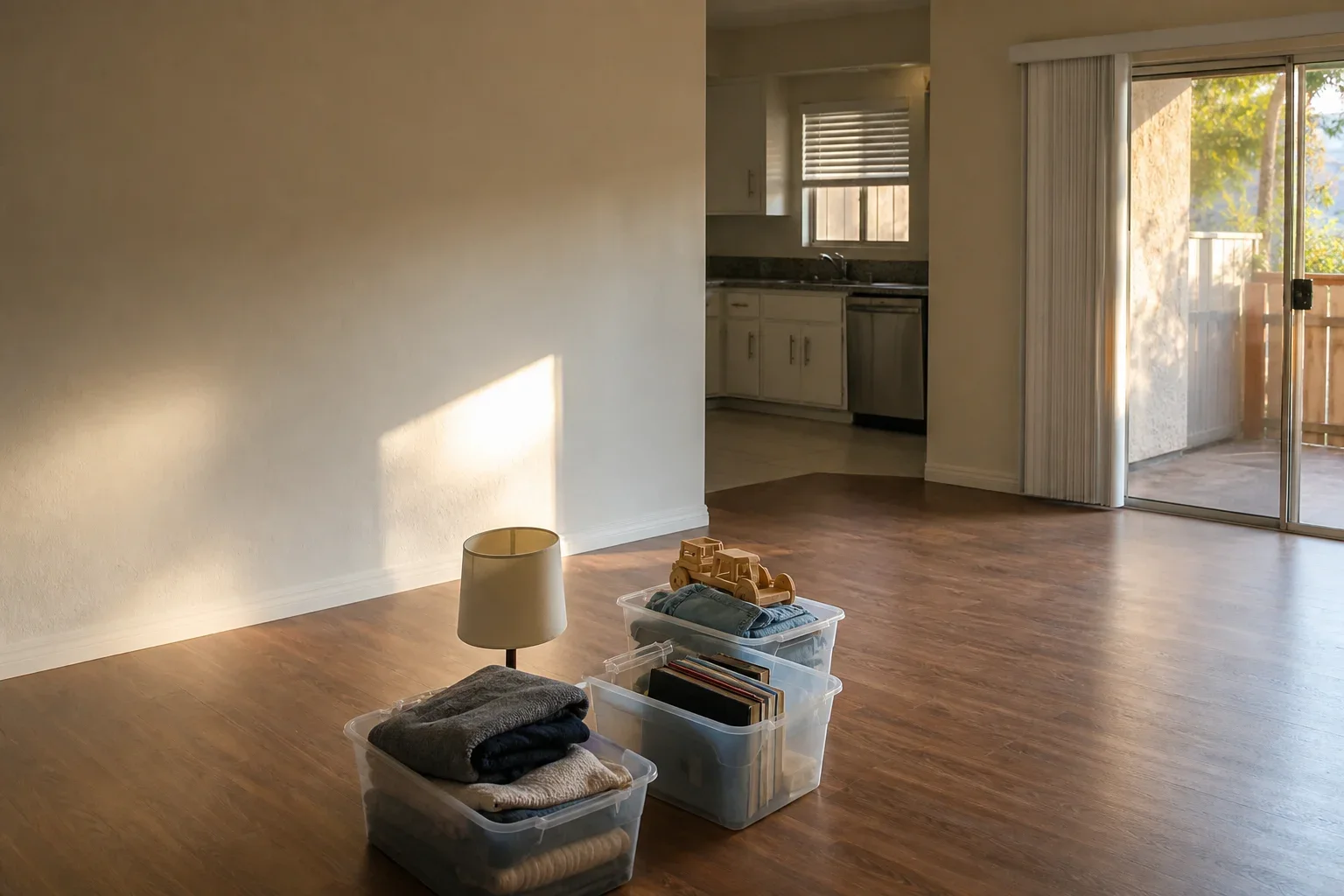
- Take wide photos of the entire living area before you start close-ups.
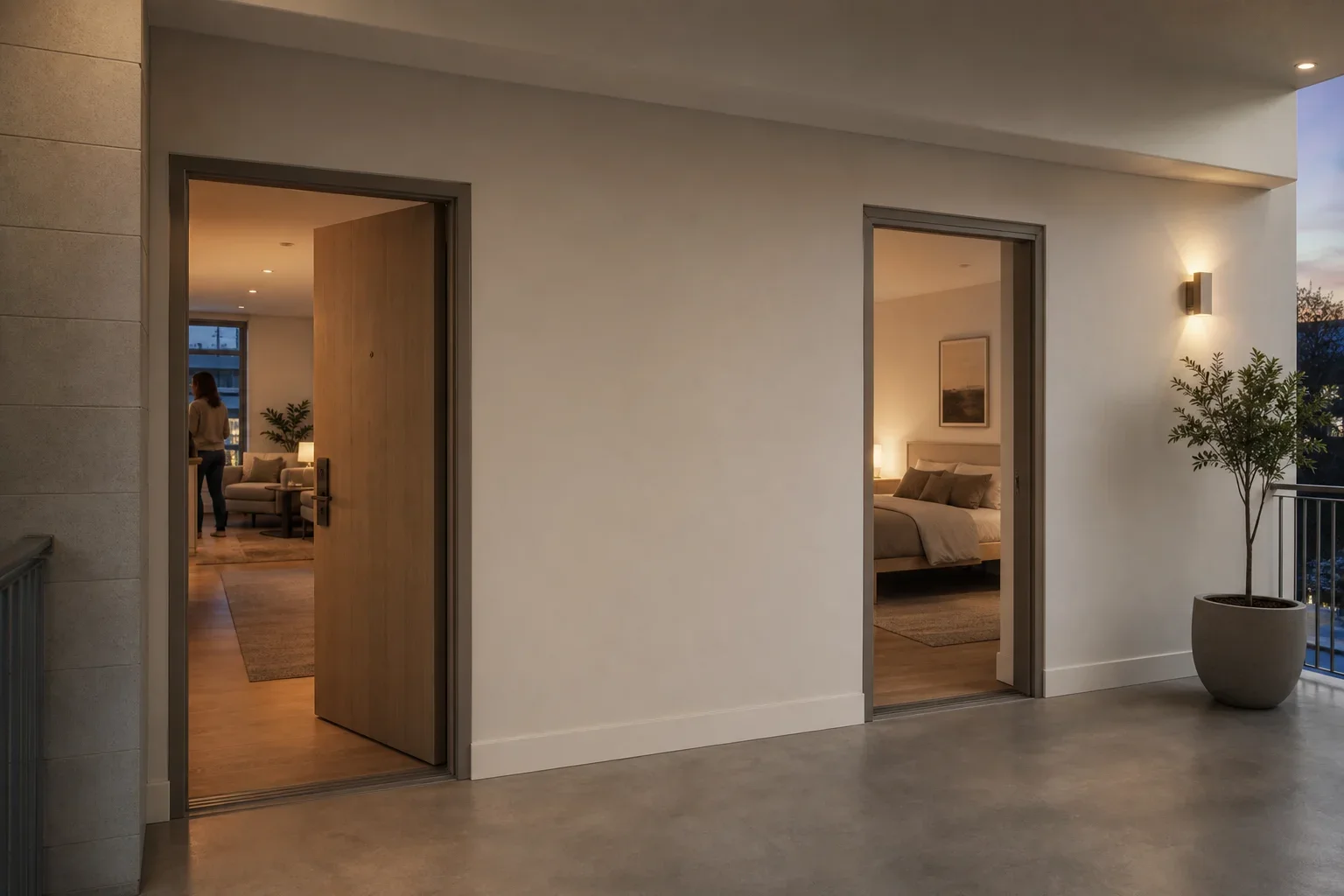
- Capture the exterior of the main entry (front door area) and the unit number.
- Photograph the electrical panel or breaker location and the thermostat (if present).
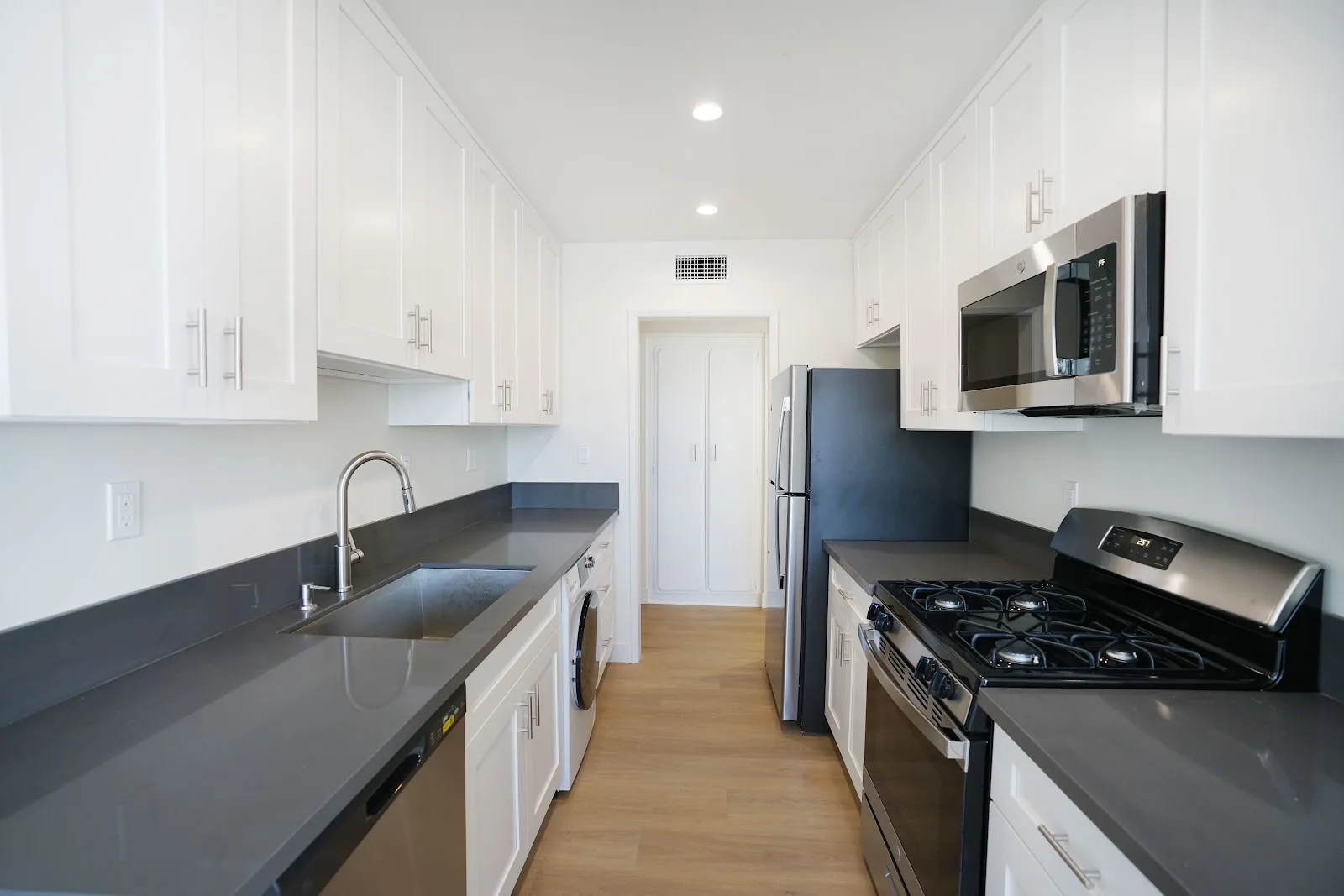
- Include a photo showing the kitchen counters and sink, plus a wide shot of each bathroom.
2) Room-by-room close-ups (label as you go)
When photographing, use a simple room naming convention and label on your inspection sheet. For example: “LR-1” (Living Room, wide) and “LR-2” (Living Room, baseboards). Then photograph:
- Walls and trim: corners, scuffs, nail holes, baseboards, and around switches and outlets.
- Floors: the full floor area plus edge areas near baseboards, and any stains or discoloration.
- Windows and doors: frames, tracks, screens (if any), door closers, and weatherstripping.
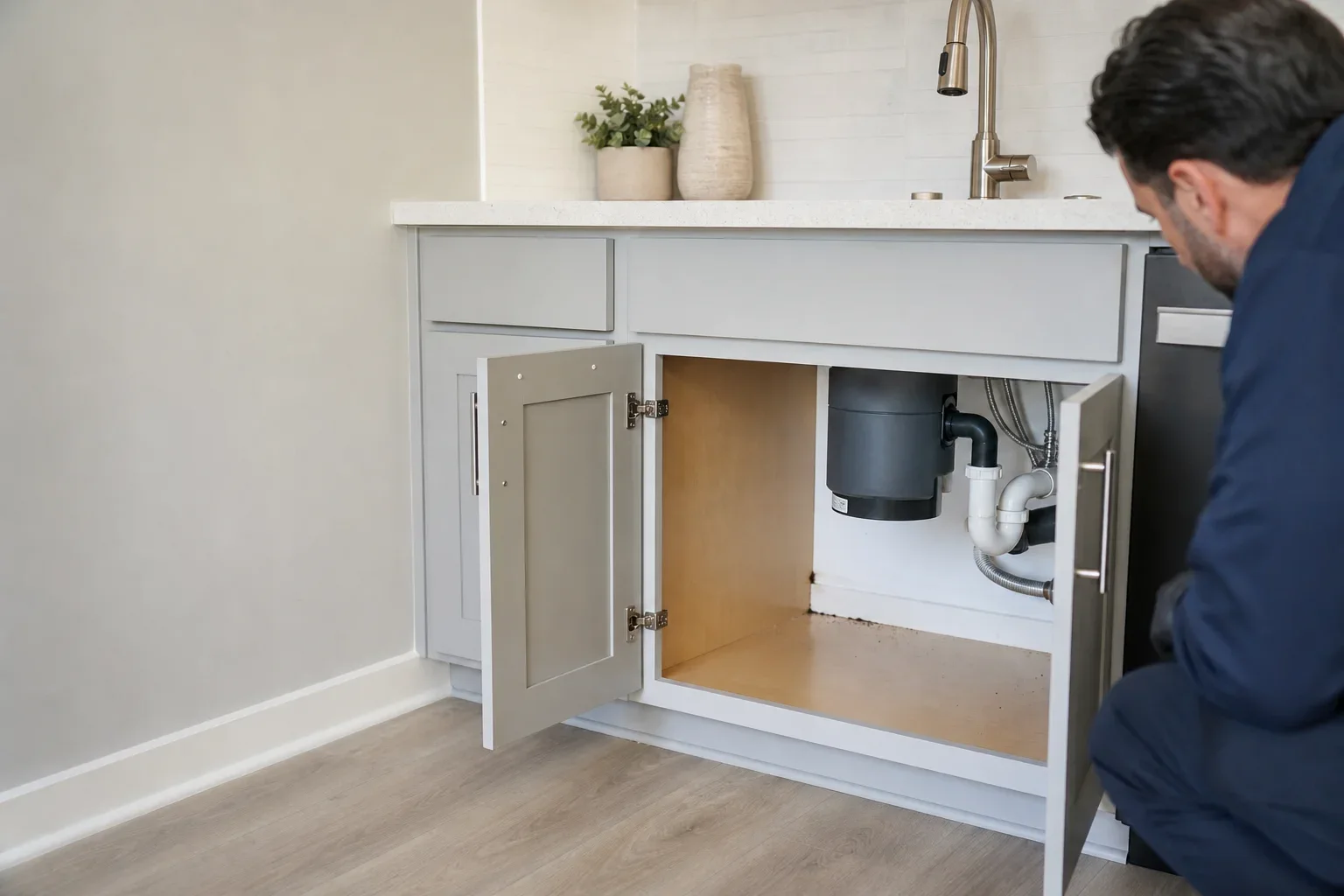
- Kitchen: cabinets (faces and bottoms), drawer fronts, under-sink area, and appliance condition.
- Bathrooms: sink, vanity, toilet base, tub or shower walls, caulk lines, and mirror condition.
- Closets and utility areas: shelves, doors, and any laundry hookups or water shutoff valves.
3) Moisture, smoke, and odor evidence needs extra photos
In the San Fernando Valley, water intrusion can appear subtle at first. If there is any sign of moisture, discoloration, or odor during move-in, photograph:
- Any staining on ceilings, drywall seams, around fixtures, and near window frames.
- Under-sink areas and any areas with visible buildup.
- HVAC vents and returns if there is odor or visible residue.
If you cannot clearly document the issue with photos alone, note it in writing and recommend a specialist assessment if needed.
How to handle common look-and-feel issues: paint touch-ups and carpet wear
Touch-ups and normal wear can look similar across move-in and move-out, which is why the baseline photos matter. Keep your notes descriptive, not argumentative.
Paint touch-ups
- Photograph the exact spot (close-up) and the wider surrounding wall so the “extent” is visible.
- Document whether marks are small scuffs, nail holes, gouges, or areas with peeling or cracking.
- At move-out, photograph the same wall sections when possible, using your room reference codes.
Carpet wear
- Photograph high-traffic lanes, entry paths, and carpet edges near baseboards.
- Include at least one photo showing the entire carpeted room for context, plus close-ups of stains or matting.
- For move-out, photograph the same spots again, and compare using your original labels.
Move-out photo checklist: repeat the same workflow, same labels
Move-out documentation should mirror move-in. If the inspection process is different, it becomes harder to explain why a tenant is being charged for something that likely existed earlier.
Repeat the baseline, then add change photos
- Start with the same wide shots you used at move-in for each room.
- Re-photograph every “marked” area from move-in, even if the issue looks better.
- For any new or worsened condition, capture both close-ups and wider context.
Include the “access and function” shots
- Confirm that doors and windows close properly, and photograph any new damage or missing hardware.
- Photograph appliance condition and any leaks or drips, especially under-sink and near water lines.
- For any moisture-related concerns, photograph again from multiple angles to show extent.
Organize documentation for property management staff: make it audit-ready
Whether you are managing independently or using a property management team, organize records so they can be quickly reviewed by staff, owners, and (if needed) legal professionals.
A practical folder structure
- Unit ID (or street address + unit number)
- Lease Term Dates (move-in and move-out dates)
- Move-In Inspection (photos + completed room checklist)
- Move-Out Inspection (photos + completed room checklist)
- Itemization Support (estimates, invoices, or repair notes, if deductions are claimed)
California security deposit law is detailed, and deadlines can be strict. California Civil Code 1950.5 is the key statute governing security for rental agreements, including the landlord’s requirement to furnish an itemized statement and return any remaining deposit within 21 calendar days after the tenant vacates in many standard situations. For move-out processes and entry rules around inspections, consider reviewing official guidance and consulting a qualified attorney for your specific circumstances.
Photo checklist tips that reduce friction
- Photograph with consistent lighting: take at similar times of day when possible.
- Use room codes: “K-1,” “BR-2,” “LR-3,” and keep the same codes every inspection.
- Capture evidence of condition: include both close-up details and wider context.
- Write down what you see: descriptions like “scuff near switch,” “nail hole at corner,” or “stain at baseboard” help match photos to claims.
- Do not rely on memory: if it is not photographed and labeled, it is not documented.
If you want help building a repeatable inspection workflow for your portfolio, Suave Management supports landlords with compliance-minded processes across Los Angeles and the San Fernando Valley, including North Hollywood. For a consultation, contact Suave Management at (818) 533-8845 or email [email protected].