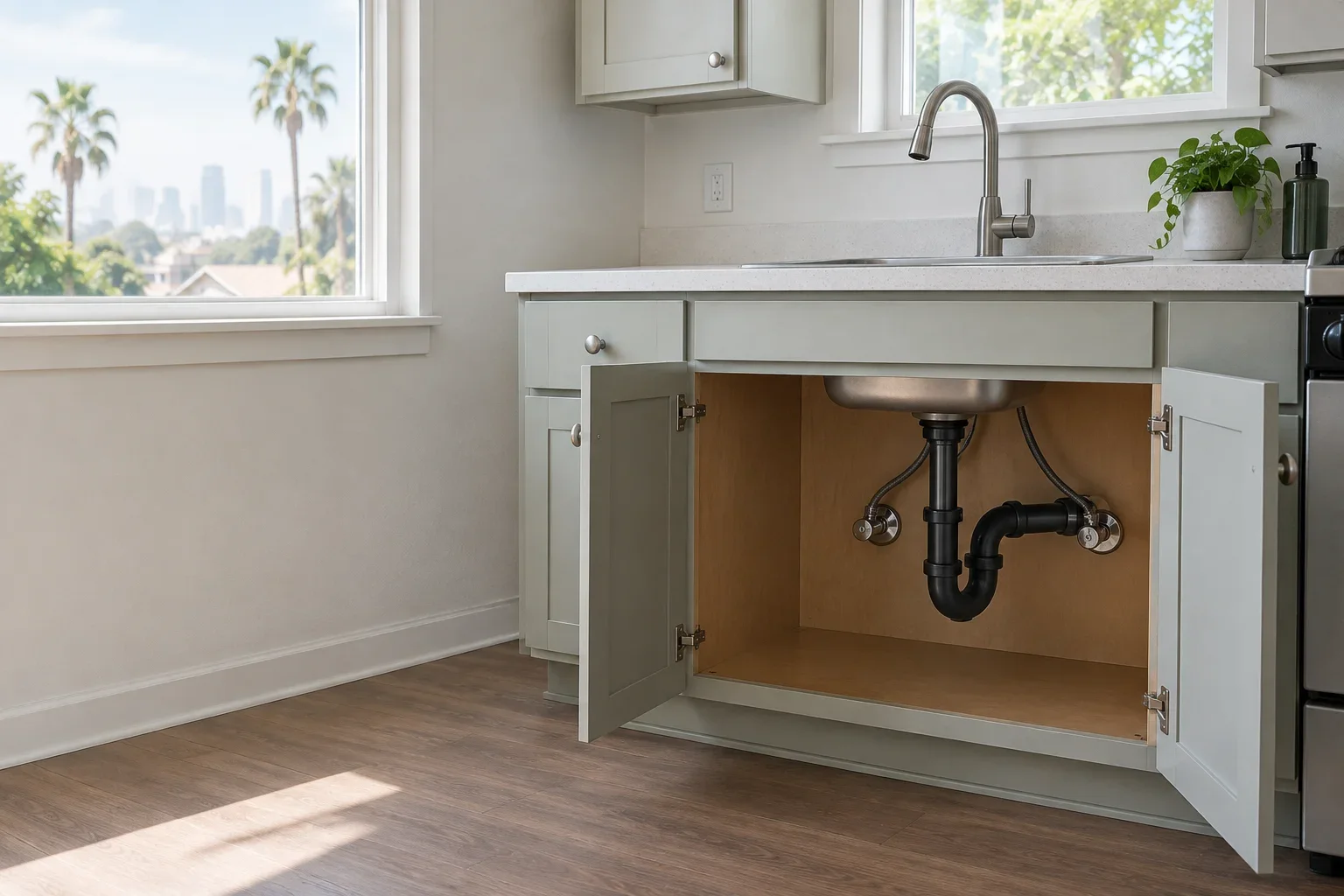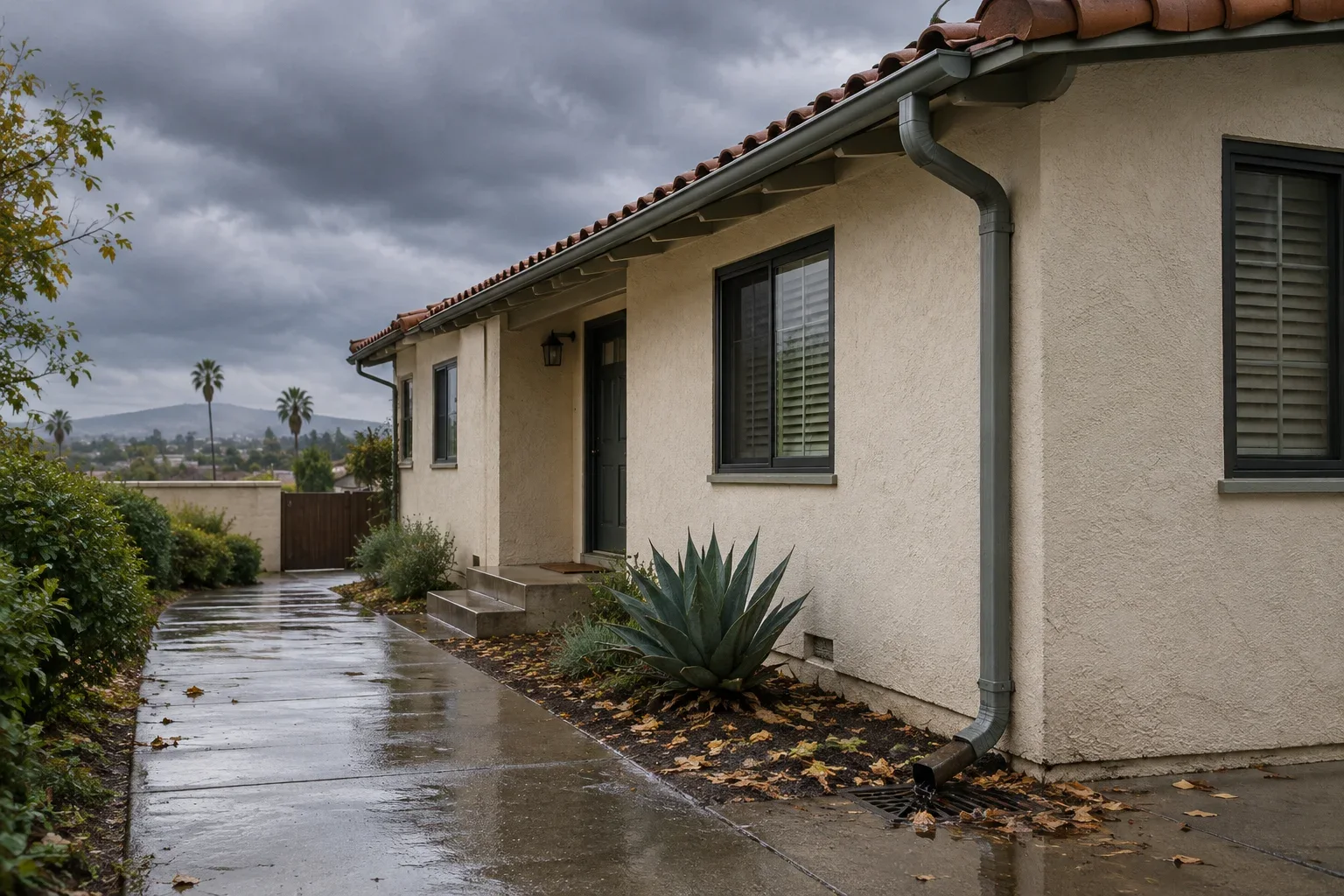
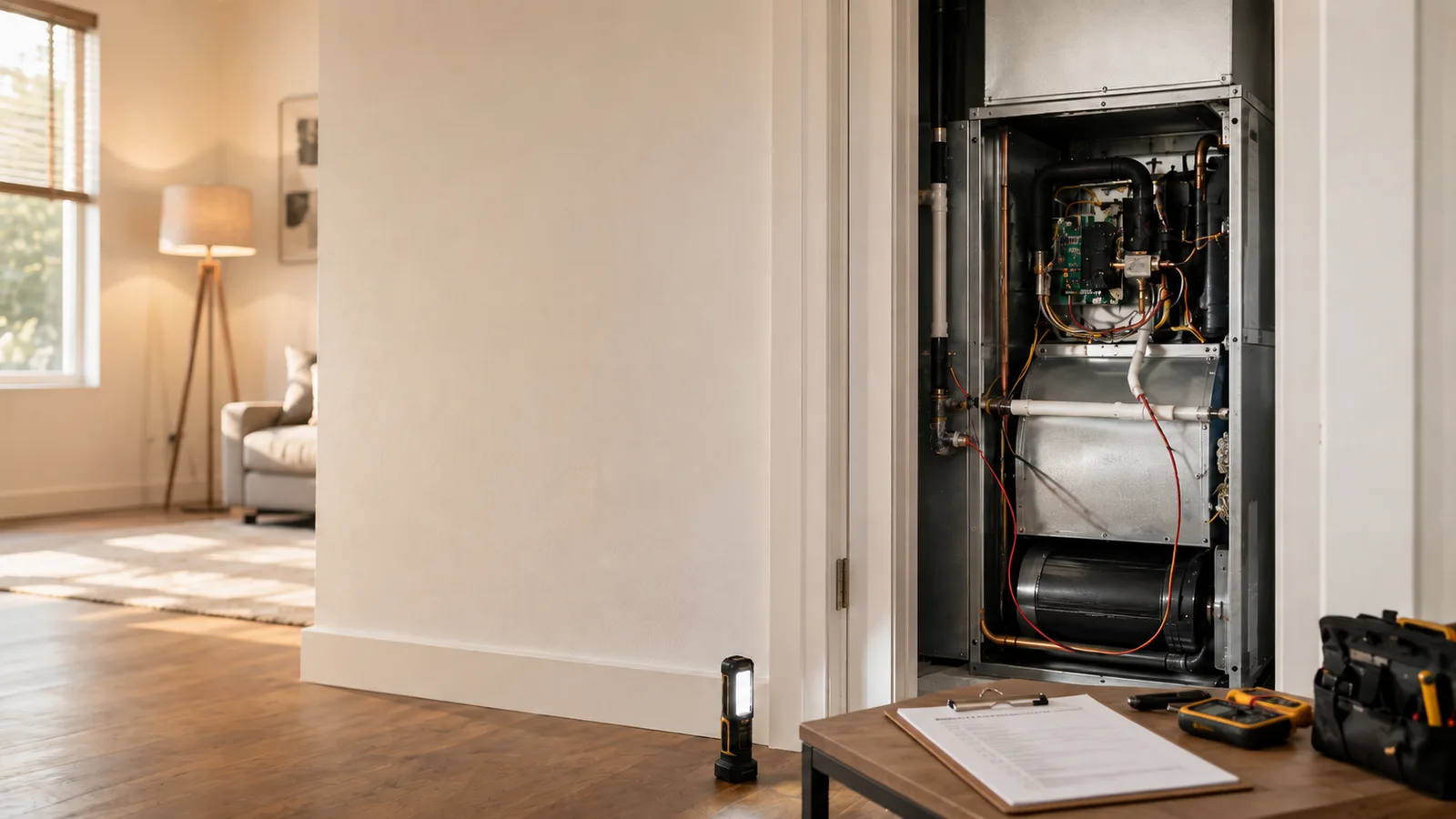
When you approve a vendor repair scope, you’re approving more than a price. You’re approving the diagnosis, the plan, the schedule, and the process for what happens if the problem is bigger than expected. In Los Angeles and the San Fernando Valley, disputes often begin at this approval stage, when owners sign off on “a fix” without confirming the root cause, the alternatives, and the parts and labor timing.
This owner-friendly checklist gives you specific questions to ask before you approve any repair quote, replacement recommendation, or contractor schedule. Use it every time, even for familiar issues like clogged drains, worn HVAC components, water heater failures, or cosmetic “make-ready” work.
1) Separate the symptom from the root cause
Start by forcing the vendor to explain what is actually broken, not just what appears wrong. This is one of the fastest ways to avoid “we replaced it, but the issue continues.”
- What symptom are we seeing, and what evidence supports it? Ask for specific observations, test results, photos, or readings.
- What is the most likely root cause, and what else are you ruling out? You want more than “it’s probably the part.”
- What diagnostic steps will you complete before ordering parts? Examples include pressure testing, measuring airflow, inspecting behind the wall, or checking electrical components.
- If the first diagnosis is wrong, what will you do next? Require a decision path: re-test, stop-work point, and who authorizes additional troubleshooting.
- What is the risk of delaying the repair? For habitability and safety issues, delays can escalate. California guidance emphasizes habitability and prompt attention to serious defects. Consider local enforcement resources as well.
Next step: Attach the vendor’s diagnosis notes and proof to your internal approval packet before you sign.
2) Ask for alternatives, not just one “best guess” fix
Owners often approve the first scope because it sounds simple. But the approval stage is when you should request options and the cost-risk tradeoffs behind them.
- What alternatives do you recommend, and what does each change? Examples: repair vs replacement, patch vs full section replacement, or temporary stabilization vs final correction.
- What is the expected lifespan of each option? Request typical ranges, not guarantees.
- Which option minimizes tenant disruption and downtime? Tie the recommendation to scheduling and work windows.
- What would make you change from Option A to Option B? Require triggers like additional damage discovered, failed tests, or parts availability.
- Are there code or habitability drivers affecting scope? In Los Angeles, certain repairs and compliance programs can affect how work must be handled and submitted. For example, the City of Los Angeles Tenant Habitability Program describes an approval process tied to Rent Stabilization Ordinance work scopes.
Next step: Approve one scope at a time, but require written notes describing the alternatives so you can pivot without re-litigating the diagnosis.
3) Confirm parts versus labor timing before you approve
Most overruns happen because parts arrive late, labor starts early, or “completion timing” depends on assumptions that weren’t documented. Make the vendor commit to a schedule you can manage.
Parts timing questions
- What exact parts are required? Ask for make, model, size, and quantity, or part numbers when possible.
- What are the lead times for parts, and how certain are they? If the vendor is guessing, push for supplier confirmation.
- Are any parts likely to be backordered? If yes, ask for an alternate-part strategy.
Labor and work sequencing questions
- What is the planned day-by-day sequence of labor? Even a basic timeline prevents “crew arrived, but parts weren’t ready” delays.
- Will labor begin only after parts arrive? If not, ask what interim work is done and what risks exist.
- What access is required from the tenant, and when? Confirm work windows and what can be done externally vs requiring entry.
- What is the stop-work point? For example: “If testing shows a different cause, we pause and re-authorize.”
- Does the quote include removal and disposal, permits, or required inspections? You want clarity so additional charges aren’t surprises.
Next step: Get revised written approval that matches the final parts and schedule. If lead times change, confirm in writing before the vendor proceeds with additional costs.
4) Use approval criteria that prevent common LA disputes
Some issues escalate quickly in LA because tenants, inspectors, and enforcement agencies treat habitability and safety differently than routine maintenance. While every case is different, your approval questions should reduce avoidable friction.
- Is this an emergency, or a non-emergency repair? If it involves serious health or safety risks, ask what makes it urgent and how the plan reflects that urgency.
- What documentation will you provide? Request a short closeout packet: photos before and after, receipts for parts, and notes on tests performed.
- How will you communicate progress? Require updates at defined milestones, especially if parts are delayed.
- What warranty or guarantee applies to labor and parts? Ask for coverage terms in writing.
- What are the options if costs increase? You want an approval structure, like “no change orders without owner approval.”
If you operate under specific LA programs or tenant protections, consider using official resources for repair request and habitability enforcement guidance, and consult qualified legal professionals for how it applies to your lease and unit.
5) Copy-and-send approval questions to every vendor
Use this message before approving anything:
- “Please confirm the symptom and the root cause, and list the diagnostics you will do before ordering parts.”
- “Please provide two alternatives (repair and replacement options), including expected lifespan and what would trigger a change.”
- “Please list required parts with lead times, and confirm labor sequencing by date, including any stop-work points.”
- “Please state exactly what the quote covers, what it does not cover, and what documentation you will deliver at closeout.”
What to do next: Centralize this checklist into your approval packet. For Suave Management clients, it typically means tying the vendor scope to a logged repair intake, entry coordination, and closeout documentation. If you’re evaluating or updating your property management setup, you can also explore residential services at /services/residential or start with /.
By approving diagnosis, alternatives, and timing upfront, you reduce repair churn and protect both your budget and your tenant relationship.