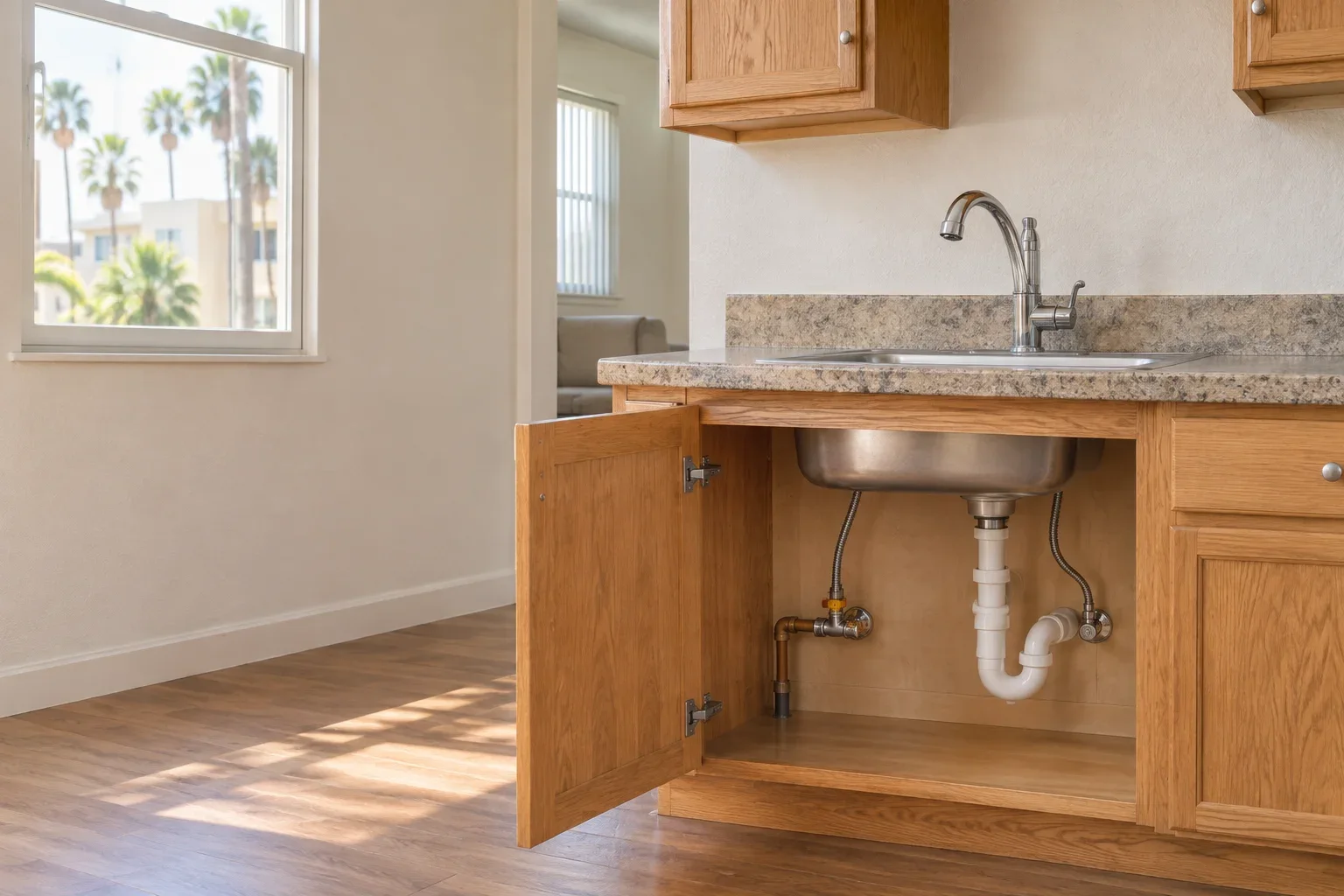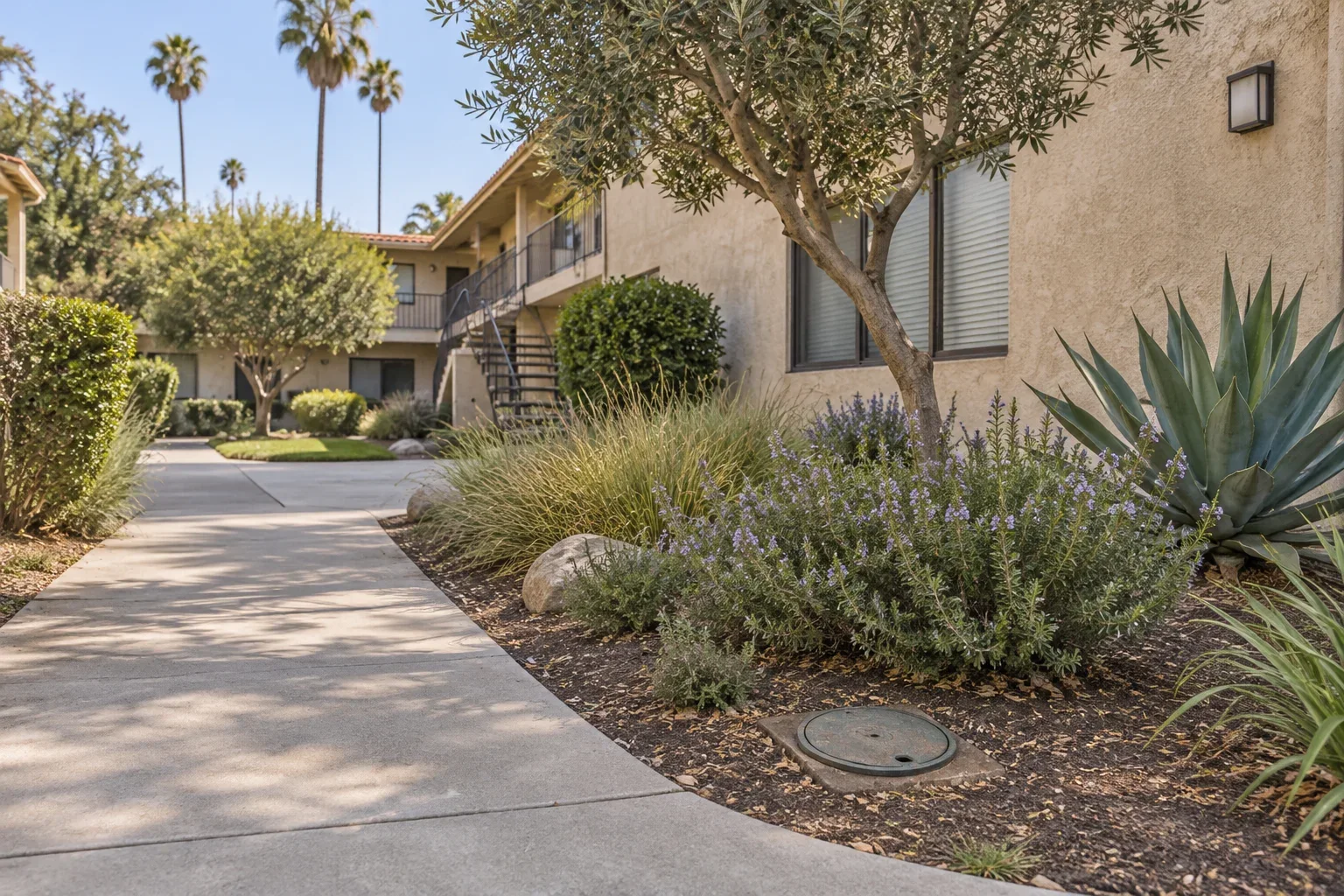
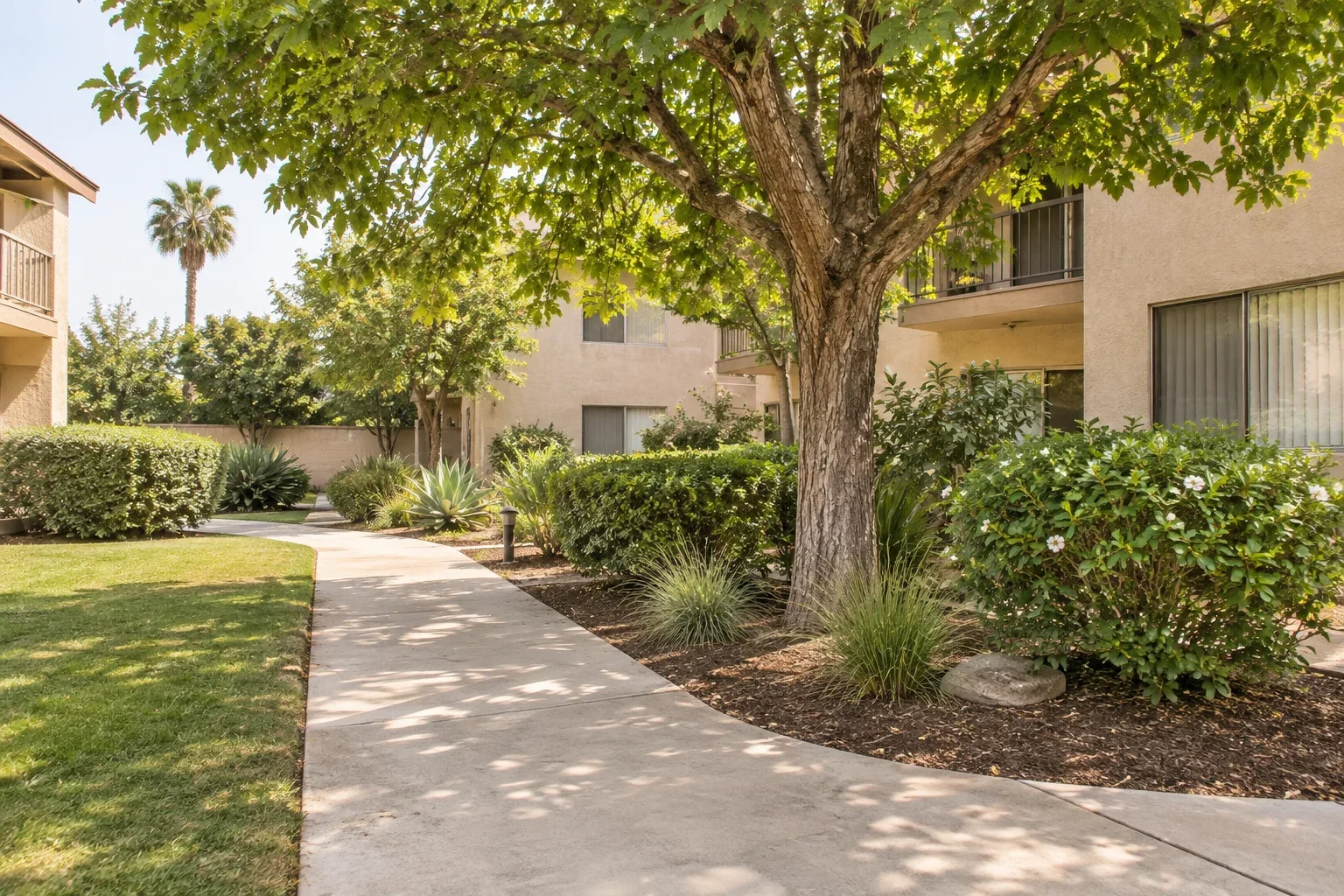
For Los Angeles and San Fernando Valley rentals, document landscaping work as it is requested, approved, completed, and paid. Keep the service scope, dated invoice, approval record, completion photos, and any follow-up notes together under the property. This creates a useful history for owners, managers, vendors, and tax professionals, and helps distinguish routine upkeep from a larger project without relying on memory at year-end.
What Rental Owners Should Document in Los Angeles
Start with a separate digital folder for each property, then organize records by year and work order or service date. For a multiunit building, identify the affected area or unit as well. Use consistent file names, such as “PropertyName_2026-11-10_TreePruning_Invoice.” Save original files where practical, and back them up.
For each visit or project, retain:
- Service scope: What the vendor agreed to do, where the work will happen, and what is excluded. For recurring visits, keep the service schedule and note any changes.
- Dated invoice: The service date, vendor name, property, work description, labor and materials if itemized, total, and payment status. Match it to a receipt, check, card transaction, or owner statement.
- Approval record: The estimate, who authorized the work, when they approved it, and any spending limit or scope change. Preserve the email or message, not just a note that approval occurred.
- Completion photos: Take clear before-and-after images of the relevant area. Add the date, location, and a short caption, and avoid including residents or personal belongings where possible.
- Follow-up notes: Record incomplete items, recommended monitoring, a return visit, or a question that still needs an answer.
Make Recurring Upkeep Easy to Verify
For routine mowing, pruning, leaf removal, or seasonal cleanup, keep the standing scope and schedule alongside each dated invoice. A recurring charge should still show which visit it covers and whether the vendor completed the agreed tasks. If the vendor uses a single monthly invoice, ask for service dates or an attached visit log.
Photos need not document every blade of grass. Capture representative areas and any condition that explains the work, such as overgrown shrubs before trimming or the finished result around a shared walkway. If the work was not completed as expected, photograph the issue and write a brief note stating what remains and who will follow up. This makes rental property maintenance planning in Los Angeles more manageable when multiple vendors or properties are involved.
Separate Routine Service From Larger Projects
A regular maintenance visit and a substantial landscape project should not disappear into the same undifferentiated expense folder. Keep larger work, such as installing new landscaping, adding a retaining wall, or replacing a substantial feature, in a project file with the proposal, detailed scope, approvals, change orders, progress and completion photos, final invoice, and payment proof.
That distinction is useful for both property history and tax preparation, but an invoice label alone does not decide tax treatment. Federal rental-property guidance generally treats repairs and maintenance differently from improvements, and some landscaping costs may be treated as part of the land basis. The details matter. Keep project records separate and ask a qualified tax professional how a particular cost should be reported. Do not assume every tree or planting expense has the same treatment.
For larger quotes, make the approval trail clear before work starts: retain the original estimate, note the approving person and date, and save written approval for any added work or price change. For more on reviewing vendor charges and what an invoice supports, see what to check when reviewing maintenance markups.
Use a Simple Monthly Review
Once a month, compare completed work with the service schedule and check that each charge has an invoice and payment record. Resolve missing details while the vendor can still easily confirm the visit.
- Match every charge to a property, service date, and work description.
- Confirm the approved scope matches the completed work, or save the explanation for a change.
- Check that photos and follow-up notes are filed with the related invoice.
- Flag larger projects for your tax preparer rather than classifying them based only on the vendor’s wording.
A tidy record does not need elaborate software. A shared folder and a simple spreadsheet with property, date, vendor, scope, amount, approval, completion status, and file location can be enough. The important part is being able to trace the path from request to approval to completed work and payment.