For California owners, renting an HOA-governed condominium or home requires more than signing a lease. Before marketing the property, confirm the association’s current rental rules, any cap or waitlist, approval process, move-in procedures, parking limits, and tenant registration requirements. The owner remains responsible for compliance even when a renter causes a violation. A written workflow can prevent avoidable fines, delays, and disputes in Los Angeles and the San Fernando Valley.
1. Collect the Current HOA Documents
Request the documents directly from the HOA or its management company; do not rely only on a package received at closing. Keep the delivery date and versions in the property file.
- Declaration, CC&Rs, bylaws, and articles of incorporation
- Rules covering leasing, parking, pets, smoking, noise, and occupancy
- Current annual policy statement and enforcement or fine schedule
- Lease registration, tenant contact, and emergency contact forms
- Move-in and move-out procedures, reservations, deposits, and elevator rules
- Parking assignments, guest parking rules, vehicle restrictions, and permits
- Recent violation notices or unresolved unit-related issues
California Civil Code Section 4525 identifies documents and association information disclosed in certain sales transactions. For an existing owner preparing a rental, the practical rule is to obtain the association’s current documents before advertising.
2. Confirm Leasing Limits Before Advertising
Search the documents for “lease,” “rental,” “tenant,” “occupancy,” “transient,” and “owner-occupied.” Create a one-page summary covering:
- Rental cap and waitlist: Determine whether the limit is full and whether the owner can join a waiting list.
- Minimum term: Check for 30-day, six-month, one-year, or other requirements.
- Approval: Identify whether the board, management company, or another party must approve the lease or tenant.
- Owner history: Preserve title and occupancy records if prior rental rights or grandfathered provisions may matter.
California law generally limits an HOA from restricting rentals below 25 percent of the separate interests and prohibits rules that unreasonably restrict leasing. Associations may prohibit transient or short-term rentals of 30 days or less. Exceptions can depend on the governing documents and when title was acquired, so disputed restrictions should be reviewed with a California HOA or real estate attorney.
Do not tell an applicant that a unit is “HOA approved” until confirmation is in writing. If the association requires the prospective tenant’s name or contact information, include that step in the leasing timeline.
3. Coordinate Registration, Move-In, and Parking
Many problems occur after lease signing because operational requirements were missed. Separate owner responsibilities from tenant tasks and use a written checklist.
- Submit the lease, approval form, tenant names, and required contact information by the deadline.
- Confirm insurance, rules acknowledgments, registration fees, and other required documents.
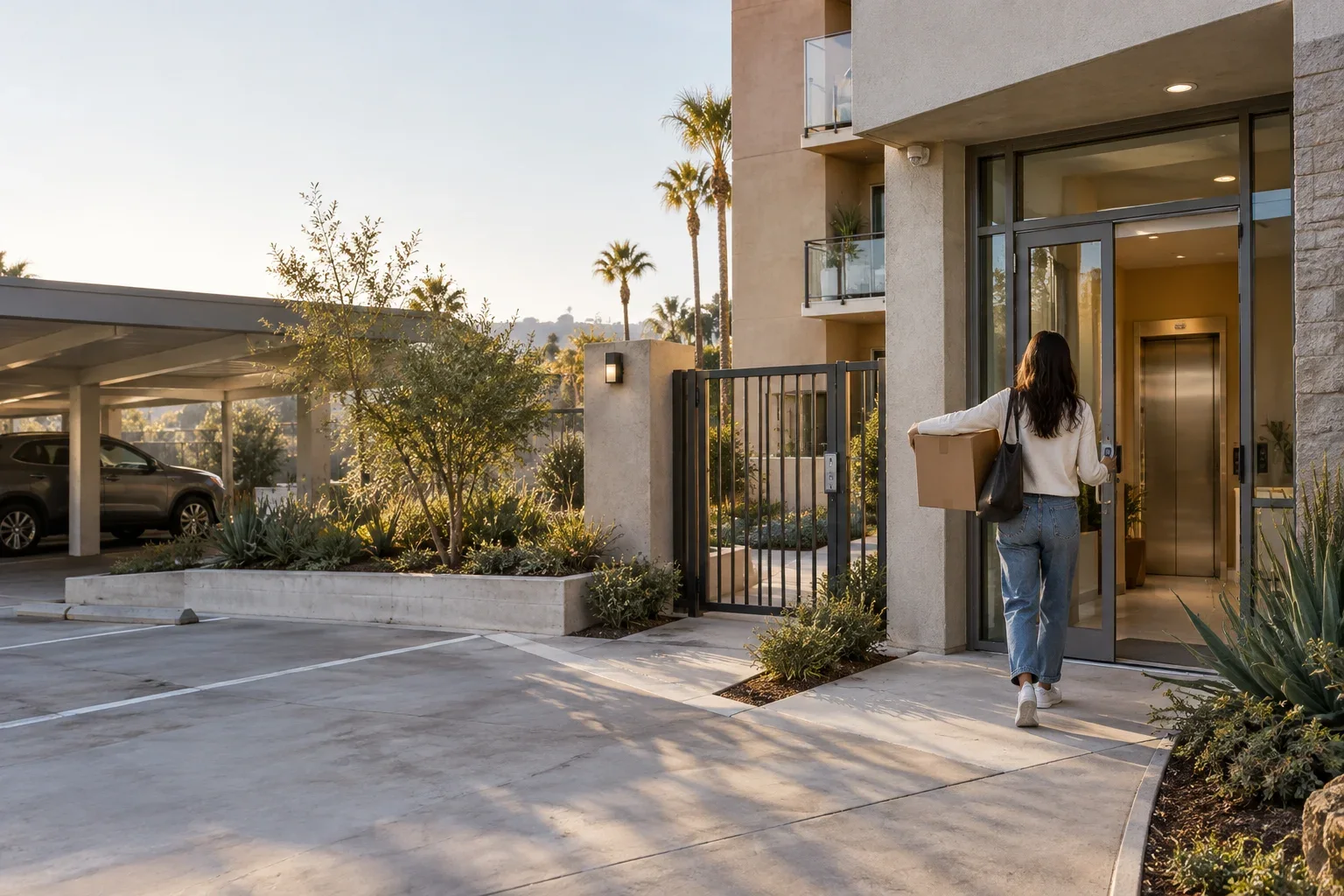
- Reserve the elevator, loading area, or move-in date when required.
- Verify assigned parking, storage, vehicle limits, and permit numbers.
- Provide the renter with current rules, emergency contacts, trash instructions, and package procedures.
Use a lease addendum confirming that the tenant received the HOA rules and must follow them. Address guests, parking, common-area conduct, smoking, pets, noise, trash, move-in scheduling, and notice reporting. The addendum is a contract between owner and tenant; it does not replace the owner in the association relationship or eliminate the owner’s duty to respond and cure violations.
4. Control Communication and Notice Response
Give the HOA one reliable owner or management contact, while providing the tenant with a separate maintenance and communication channel. Ask the HOA to send official notices to the correct address or electronic account. The annual policy statement explains important notice options.
Maintain a shared log showing the date received, alleged rule, response deadline, responsible person, and supporting documents. When a notice concerns a tenant, acknowledge it promptly without admitting a violation before reviewing the facts. Request photographs, incident dates, witness information, and the specific rule. Then communicate with the tenant in writing and document the corrective action.
5. Keep Enforcement and Financial Responsibility With the Owner
A lease may require a tenant to reimburse the owner for a charge caused by the tenant’s conduct when permitted by the lease and applicable law. That does not mean the HOA must pursue the tenant directly or that the owner can ignore an association deadline.
- Respond to every notice by its stated deadline.
- Pay valid owner-level assessments or charges on time.
- Investigate tenant-related allegations before passing through a cost.
- Keep notices, photographs, emails, approvals, receipts, and tenant communications.
- Use the association’s hearing, dispute, or appeal process when appropriate.
California Civil Code Section 5850 addresses association monetary penalties, including penalties related to tenant or guest activity. Enforcement procedures and pass-through rights can be fact-specific; consult qualified counsel before withholding money, terminating a tenancy, or disputing a fine.
Before advertising, confirm the rental rule and cap status, minimum lease term, approval and registration process, move-in and parking procedures, and the owner’s notice-response plan. Owners managing several homes may benefit from a standardized compliance file. A professional residential property management process can centralize documents, deadlines, acknowledgments, and HOA communication. For related scheduling concerns, review this guide to lawful rental entry and inspection coordination.
The goal is to give the renter clear rules while keeping the owner informed, responsive, and able to prove that the property was leased and operated through a documented process.