Plan rental inspections around the conditions a property is most likely to face: prepare for rain before winter, check for storm damage afterward, and pay close attention to heat-related wear in summer. A seasonal calendar helps owners catch maintenance needs early, but it does not replace urgent repairs or authorize entry into a tenant’s home. For Los Angeles and San Fernando Valley rentals, pair outdoor and shared-space checks with lawful, clearly communicated access arrangements for any interior work.
Build the Calendar Around Local Conditions
Los Angeles has a pronounced dry summer and rainy winter pattern, although the timing and severity of storms vary. Use the calendar as a planning guide, then adjust it for the building’s age, history, trees, hillside exposure, and maintenance records. This is practical rental property maintenance planning in Los Angeles, not a substitute for responding to a reported problem.
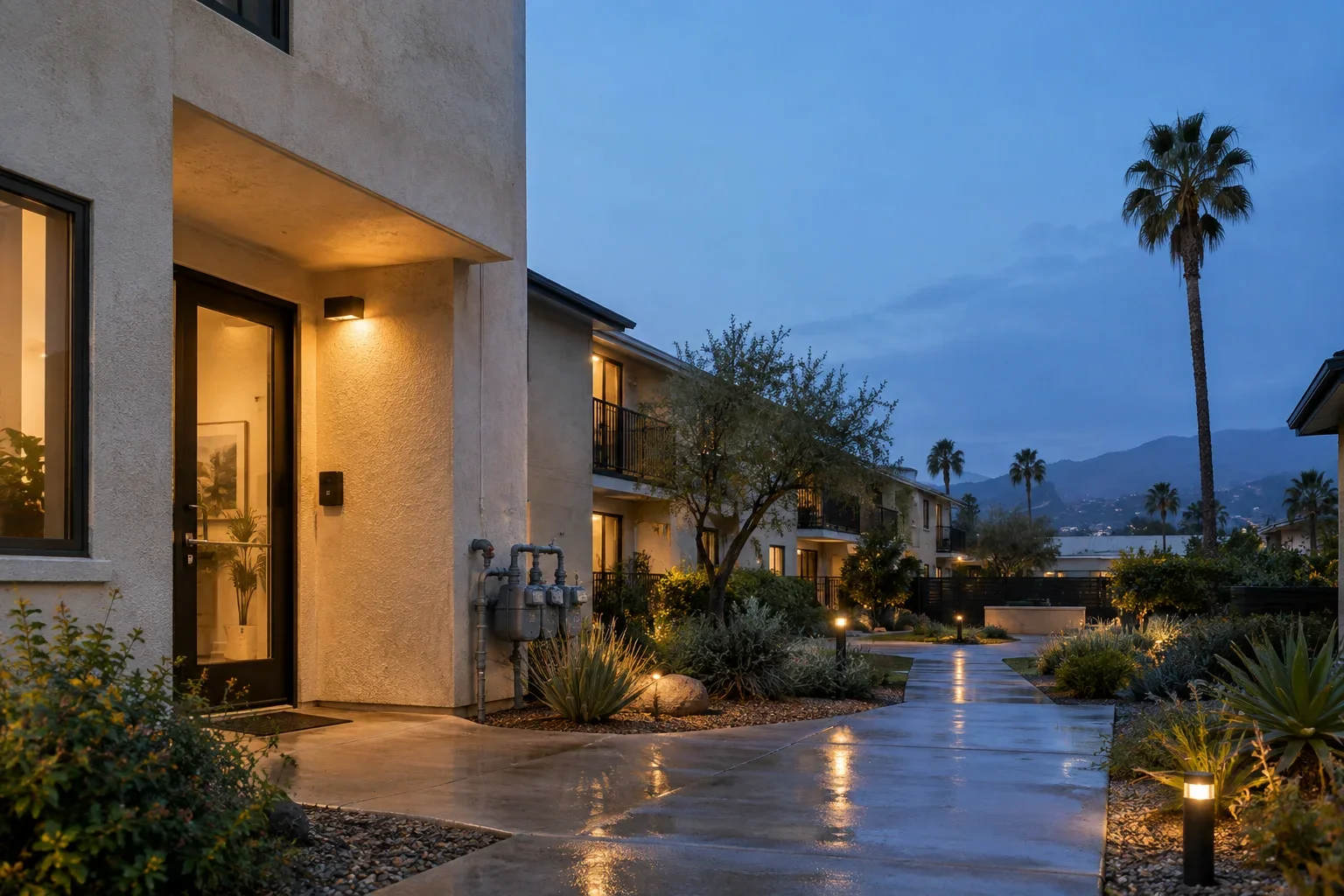
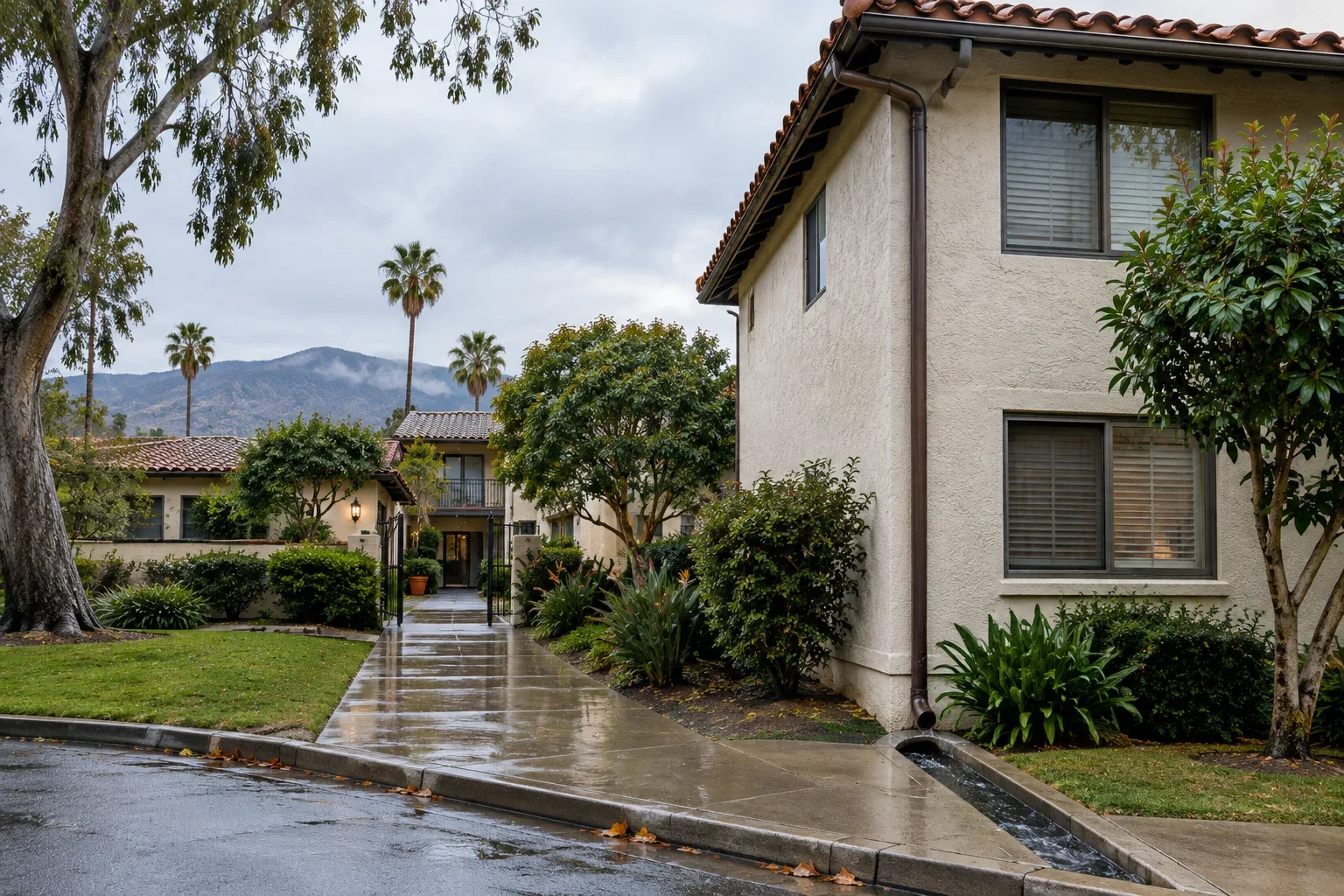
- September to October, prepare for rain: Check visible roof and gutter conditions, downspouts, exterior drains, weather seals, and areas with a history of leaks. Arrange qualified service where inspection or repair requires roof access.
- January to February, review after storms: Look for new water staining, pooling, loose fencing, damaged landscaping, and drainage problems. After a significant storm, prioritize reported leaks and hazards rather than waiting for a scheduled visit.
- April to May, prepare for warmer weather: Review cooling equipment maintenance, irrigation, exterior paint or sealant, and common-area lighting and walkways.
- July to August, check heat and outdoor wear: Review shade, ventilation concerns reported by residents, irrigation leaks, and high-use shared spaces. Confirm that any needed system service is scheduled before peak demand.
For multiunit buildings, add recurring checks of common-area doors, stairs, lighting, trash areas, and visible plumbing or mechanical spaces. Schedule specialized inspections, such as elevated deck or balcony evaluations, when applicable; these may have separate legal requirements.
Use a Consistent, Property-Specific Checklist
Keep the route and checklist consistent so changes are easier to spot. Inspect only areas you are authorized to access, and use licensed or qualified professionals for work that requires technical expertise.
- Building systems: Note visible leaks, unusual odors or sounds, damaged equipment, and service dates for heating, cooling, plumbing, and electrical systems. Do not open equipment or attempt repairs outside your qualifications.
- Exterior and drainage: Record cracked or loose surfaces, clogged visible drains, deteriorated caulking, overgrown vegetation, and signs of water intrusion. Photograph the location from a safe, accessible position.
- Shared spaces: Check that paths and stairs are clear, lights work, gates and common doors operate, and trash or landscape areas do not show an immediate hazard.
- Life-safety items: Track smoke and carbon monoxide detector maintenance and any required testing or service. If a device is missing, damaged, or not functioning, arrange prompt follow-up.
Keep findings factual: identify the location, describe what you observed, note the date, and record the next action. For guidance on what rental owners should document in Los Angeles, include dated photos when appropriate, resident reports, vendor notes, approvals, invoices, and the date a repair was completed.
Respect Entry Rules and Communicate Clearly
California Civil Code section 1954 limits when a landlord may enter a dwelling unit. The California Courts’ tenant guide explains that a general inspection is not, by itself, a permitted reason to enter. A 24-hour notice does not create a lawful purpose. Before scheduling an interior visit, confirm that the reason for entry is permitted, or obtain the tenant’s consent, and check current law or consult a qualified California attorney if the situation is unclear.
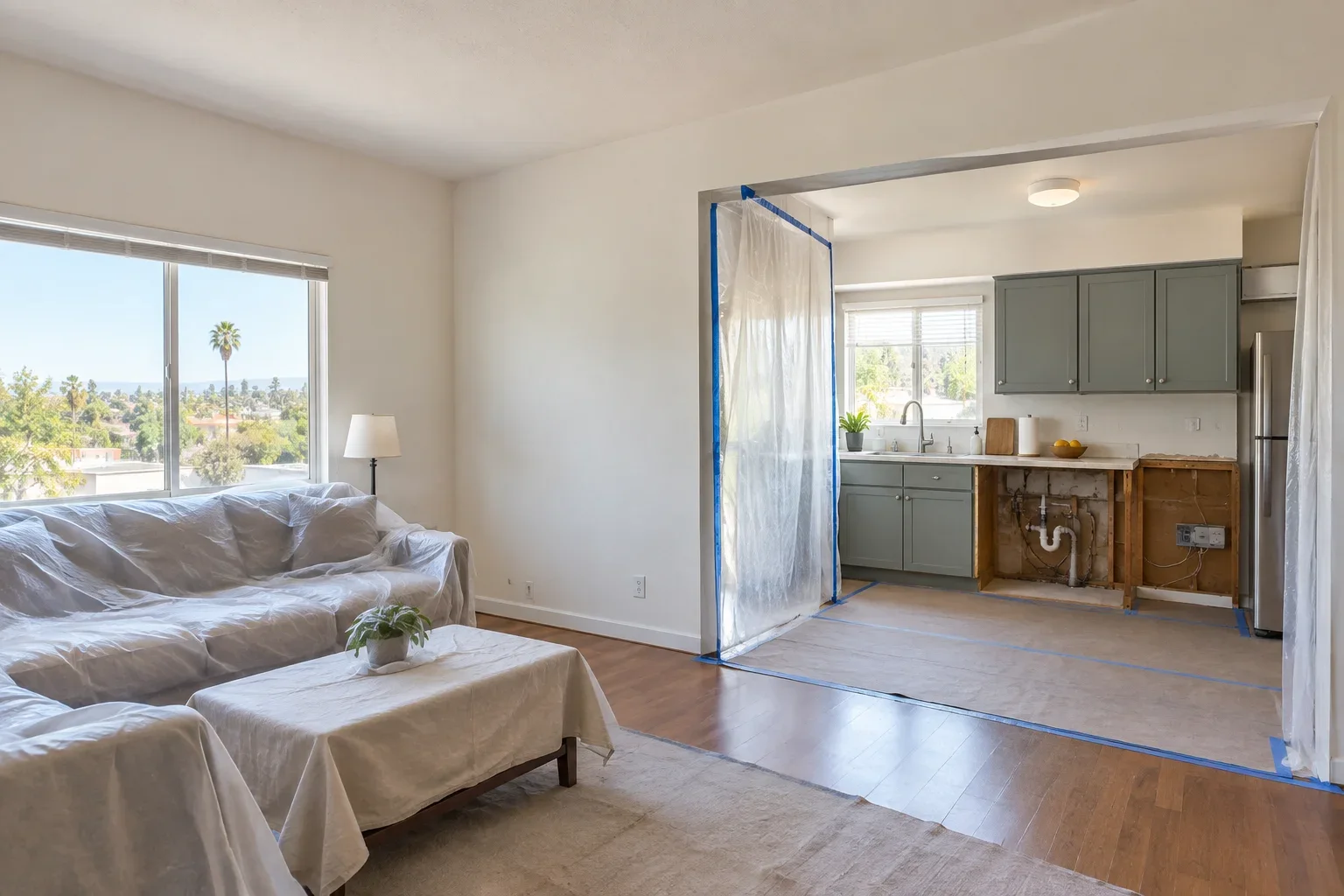
When entry is permitted, give the required notice and state the date, approximate time, and purpose. Explain what areas or systems the visit concerns, who will attend, and how long it is expected to take. Invite the resident to report a leak, equipment issue, or access concern before the appointment. Do not treat a seasonal schedule as permission to enter, or delay action on an urgent repair while waiting for a routine visit.
Prioritize Findings and Close the Loop
Sort each observation by risk and urgency, then assign an owner and deadline:
- Immediate hazard or active damage: Respond promptly, protect people from danger, and contact emergency services or a qualified repair professional as appropriate.
- Time-sensitive concern: Examples include a suspected leak, a failed essential system, or a safety device that needs attention. Arrange assessment and communicate the expected next step.
- Planned maintenance: Group non-urgent work, obtain estimates where needed, approve the scope, and schedule it before the relevant season.
After each visit, send a concise summary to the owner and, when appropriate, the resident. Track open items until they are completed and keep the final service record with the original observation. A rental emergency contact plan can help everyone know whom to call when an inspection uncovers a problem that cannot wait. The next step is simple: choose dates for the year, tailor the checklist to the property, and confirm the lawful basis and notice before every interior entry.