Los Angeles rental owners should prepare for earthquakes before one happens, not wait until tenants report broken pipes, fallen fixtures, or gas odors. Start with a property walkthrough that identifies life-safety hazards, confirms utility shutoff access, secures heavy items, and creates a clear response plan. The goal is to reduce preventable damage, communicate quickly, and separate urgent safety work from repairs that can wait.
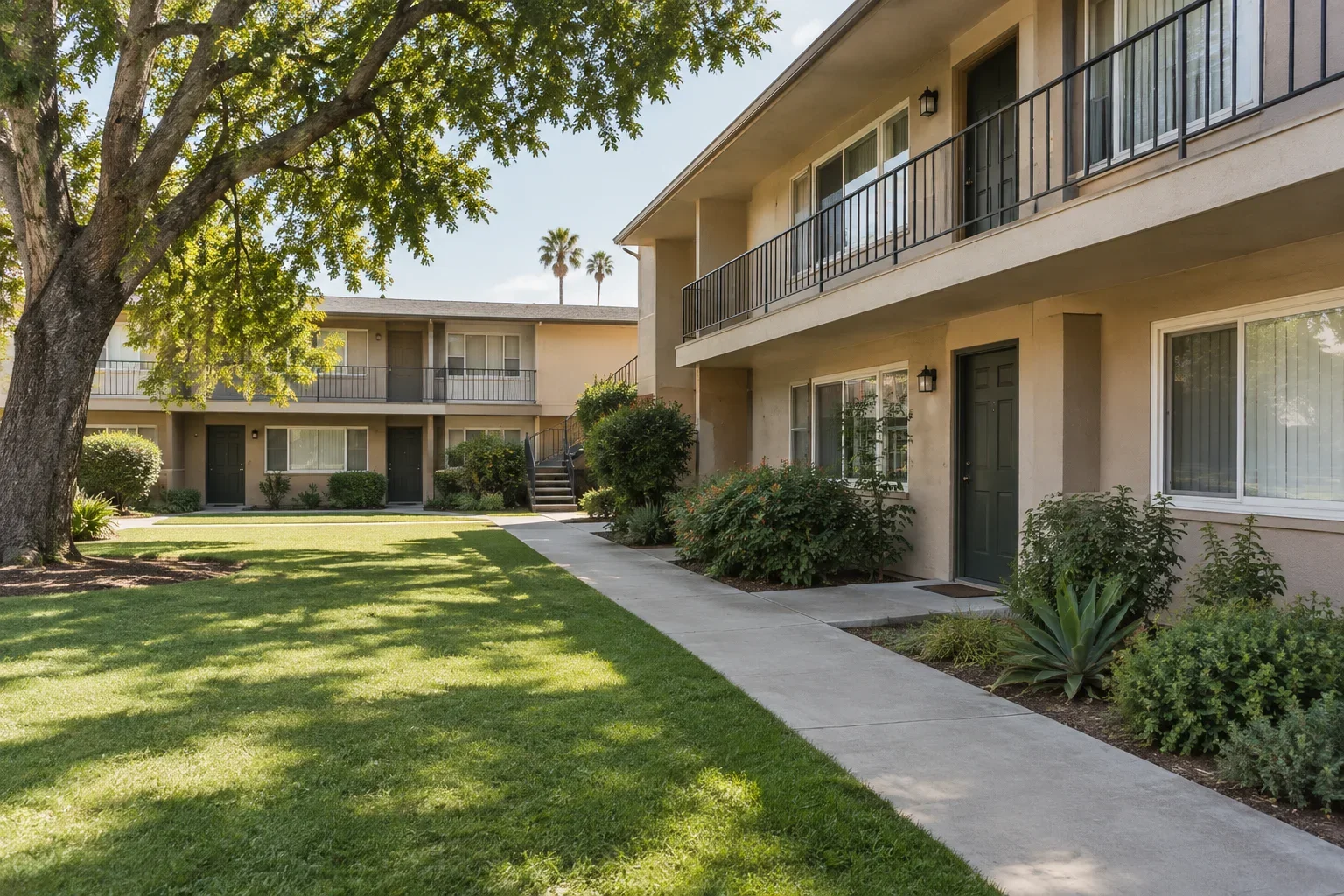
For owners in Los Angeles and the San Fernando Valley, earthquake preparedness is part of practical residential property management planning, especially for older buildings, hillside properties, multifamily homes, and buildings with garages or open first floors.
Complete a Property Safety Walkthrough
Inspect each unit, common area, garage, yard, and mechanical space. Photograph conditions and keep the record with the property file. Address the following items first:
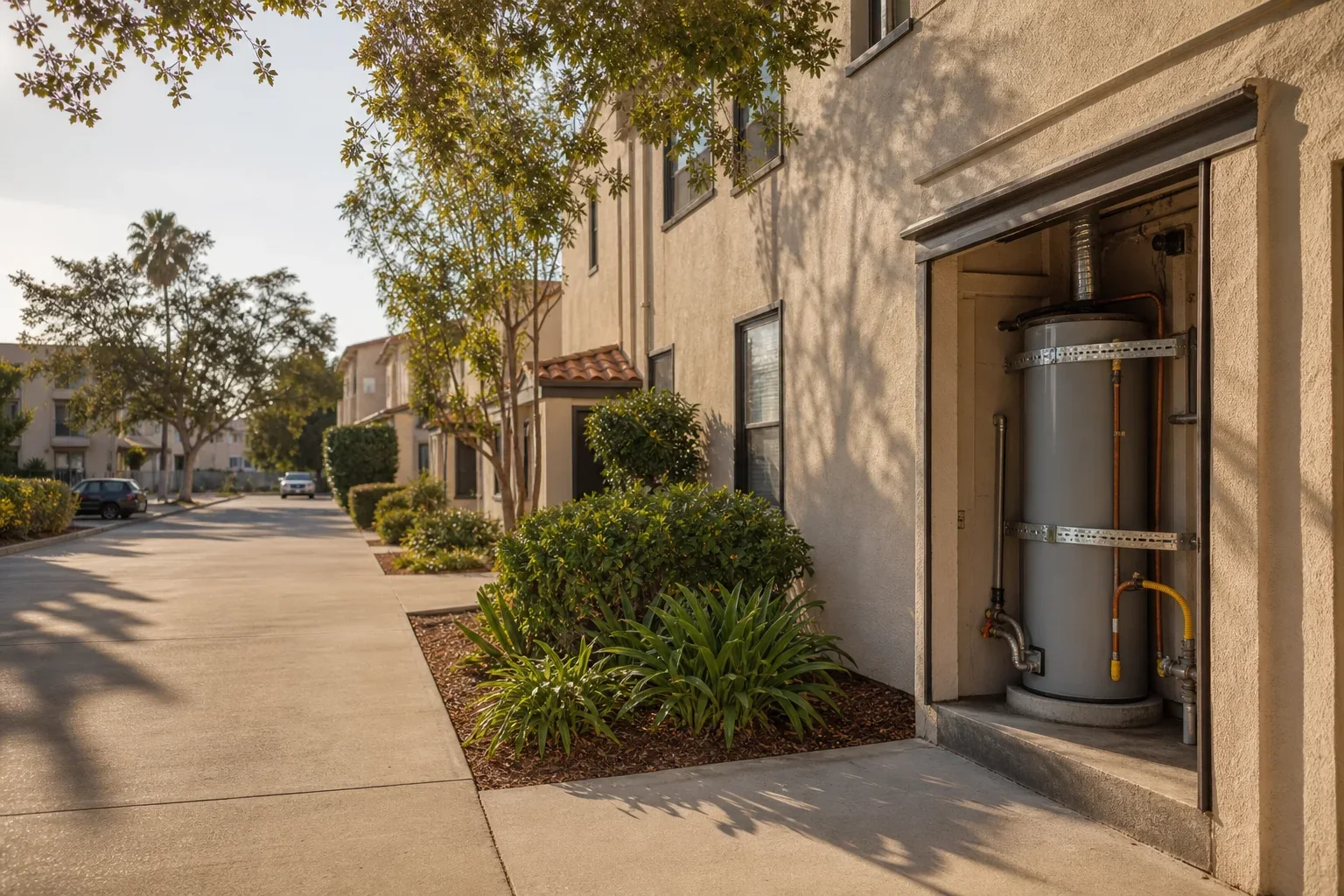
- Brace every water heater. Use approved straps secured to structural framing, and ask a qualified plumber to correct rigid or vulnerable connections where appropriate. California and Los Angeles guidance emphasize proper water-heater bracing because an overturned heater can cause injury, flooding, or fire.
- Confirm gas and water shutoff access. Locate the gas meter, main water valve, unit-level valves, and any automatic earthquake valve. Keep access paths clear, label the valves, and provide instructions to the responsible manager or emergency vendor. Do not ask tenants to relight appliances or perform technical gas work unless directed by the utility or a qualified professional.
- Secure interior fixtures. Anchor tall bookcases, storage cabinets, televisions, mirrors, and other heavy objects. Move breakable or heavy items away from beds, exits, and high shelves. Check ceiling fans, light fixtures, shelving, and wall-mounted equipment.
- Review exterior hazards. Inspect chimneys, parapets, roof tiles, balconies, awnings, detached garages, retaining walls, gates, trees, and loose masonry. Arrange a licensed contractor, engineer, or arborist review when the condition is structural or beyond routine maintenance.
If a Los Angeles building may qualify as a vulnerable soft-story property, review its status with the Los Angeles Department of Building and Safety. A structural engineer or architect may be needed to evaluate the building and prepare retrofit plans.
Build an Owner and Tenant Response System
Preparedness is not only a hardware project. Tenants need to know what to do during shaking and how to report conditions afterward. Send a short earthquake information sheet that includes:
- Drop, Cover, and Hold On instructions.
- The preferred emergency phone number, text number, and maintenance portal.
- Instructions to report gas odors, active leaks, electrical hazards, blocked exits, or suspected structural damage.
- A reminder not to enter visibly damaged areas or use elevators when a building may be unsafe.
- Guidance to keep shoes, flashlights, medications, water, and phone chargers accessible.
Maintain a current vendor list for plumbers, electricians, restoration contractors, locksmiths, structural engineers, roofers, arborists, and utility contacts. Confirm after-hours availability, insurance, licensing where required, service areas, and spending limits. Keep at least one alternate vendor for critical trades because demand may surge after a major event.
For owners who already use a broader outage plan, the Los Angeles rental power outage readiness plan can help organize emergency contacts, tenant updates, access procedures, and documentation.
Organize Supplies, Records, and Insurance
For multifamily properties, keep basic supplies in a secure, accessible location rather than inside one tenant’s unit. Consider storing:
- Flashlights, spare batteries, first-aid supplies, work gloves, dust masks, whistles, and eye protection.
- Portable phone chargers, a battery or hand-crank radio, bottled water, sanitation supplies, and heavy-duty plastic sheeting.
- A non-sparking wrench or pliers, basic tools, caution tape, tarps, and printed emergency contacts.
- Printed floor plans showing utility shutoffs, fire extinguishers, exits, and common-area equipment.
Before an earthquake, save current photos and videos of the exterior, interiors, mechanical systems, appliances, landscaping, and common areas. Keep leases, inspection reports, permits, invoices, warranties, vendor certificates, and prior repair records in a secure cloud folder. Review your property policy with an insurance professional. Standard residential policies generally exclude direct earthquake damage, while fire caused by or following an earthquake is treated differently under California law. Confirm deductibles, exclusions, loss-of-rent coverage, debris removal, code-upgrade coverage, and documentation requirements.
Know the Difference Between Urgent and Routine Work
After shaking stops, protect people first. Treat these as immediate safety concerns:
- Gas odor, hissing, smoke, fire, sparking, exposed wiring, or active water release.
- Collapsed ceilings, severe wall movement, leaning chimneys, damaged balconies, shifted foundations, or blocked exits.
- Broken glass, fallen exterior materials, unstable trees, or suspected structural movement.
Keep occupants away, contact emergency services or the utility when appropriate, and use qualified professionals. Do not make cosmetic repairs before documenting damage. Cracked paint, loose cabinet doors, minor drywall damage, and nonessential fixture repairs may be routine, but they still require tracking and timely evaluation if they could worsen.
Coordinate Lawful Access and Post-Event Inspections
California Civil Code Section 1954 allows a landlord to enter without advance notice to respond to an emergency. For nonemergency inspections or repairs, provide reasonable written notice, state the purpose, and enter during normal business hours unless the tenant agrees otherwise. Do not treat an earthquake as permission for unlimited access. Document the reason for entry, time, people present, photographs taken, and work recommended.
California law effective January 1, 2026 also addresses landlord duties after certain declared disasters, including earthquakes. If a unit is damaged, owners should obtain legal advice before declaring it uninhabitable, changing tenancy terms, relocating occupants, or making decisions about rent. Safety evaluations, insurance guidance, local orders, and tenant protections may all affect the response.
Use a consistent inspection sequence: common areas first, then vacant units, then occupied units with lawful access. Record whether utilities are functioning, exits are clear, water is present, structural concerns exist, and temporary measures were installed. Send tenants a written update with known facts, next steps, and the next expected communication time. A calm, documented process protects residents and helps owners move from emergency response to qualified repairs.