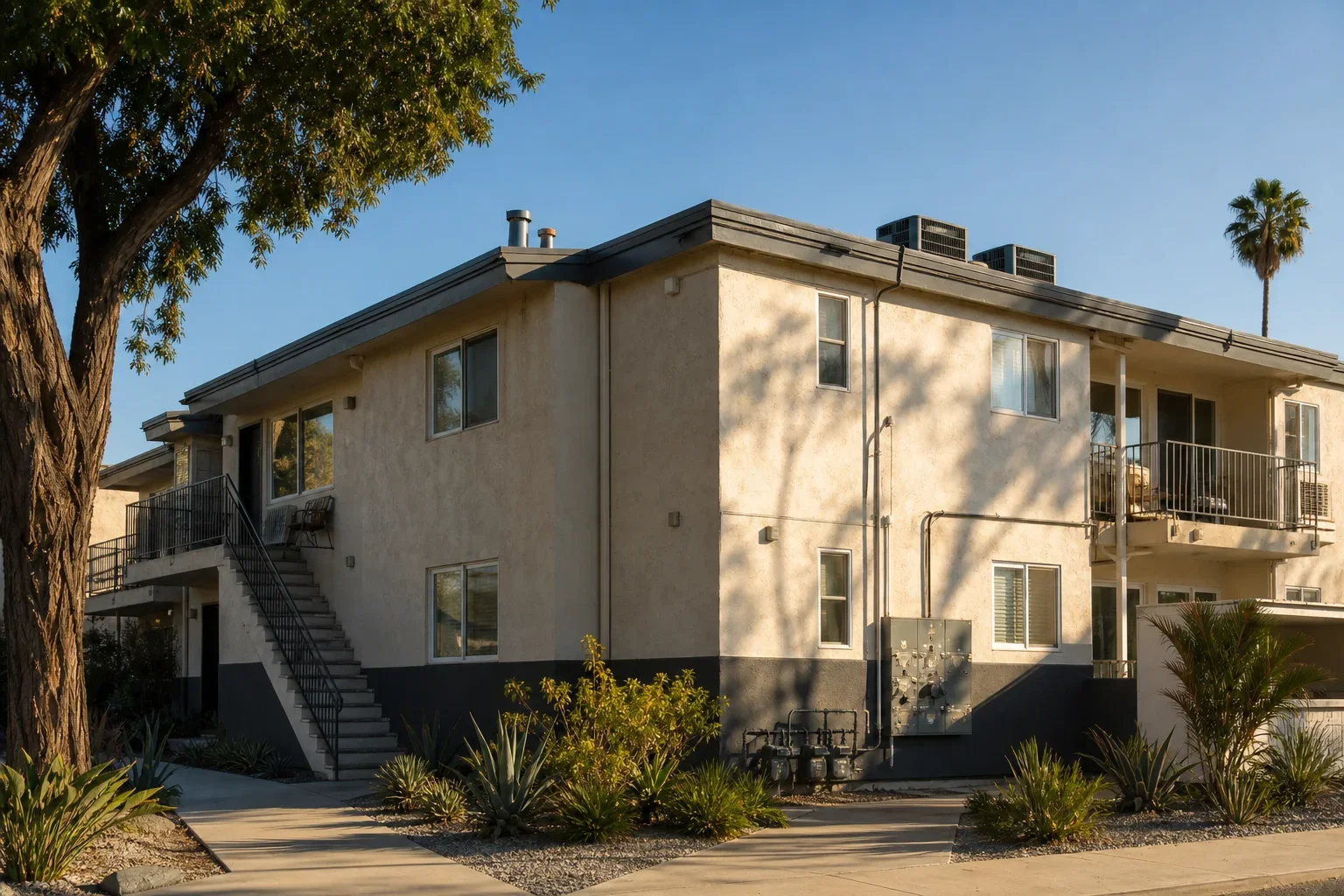
If your Los Angeles rental budget feels like it swings month to month, the fix usually isn’t “finding cheaper repairs.” It’s building a maintenance plan framework that prevents failures you can predict, catches issues early, and keeps tenants comfortable with fewer disruptions. The goal is straightforward: shift from emergency-driven maintenance to a calendar that matches each building system’s real needs, backed by clear documentation so owners know what was done, why, and when.
Below is a repeatable approach LA owners and investors can use to inventory systems and fixtures, set maintenance intervals, and manage approvals. Start with solid groundwork once, then refine it every quarter.
Start With an Inventory, Not a List of Repairs
The most reliable maintenance calendar begins with knowing what you have. Create an “asset map” covering both each unit and shared property areas. This is how you avoid missing key items until they break.
What to inventory for every Los Angeles rental
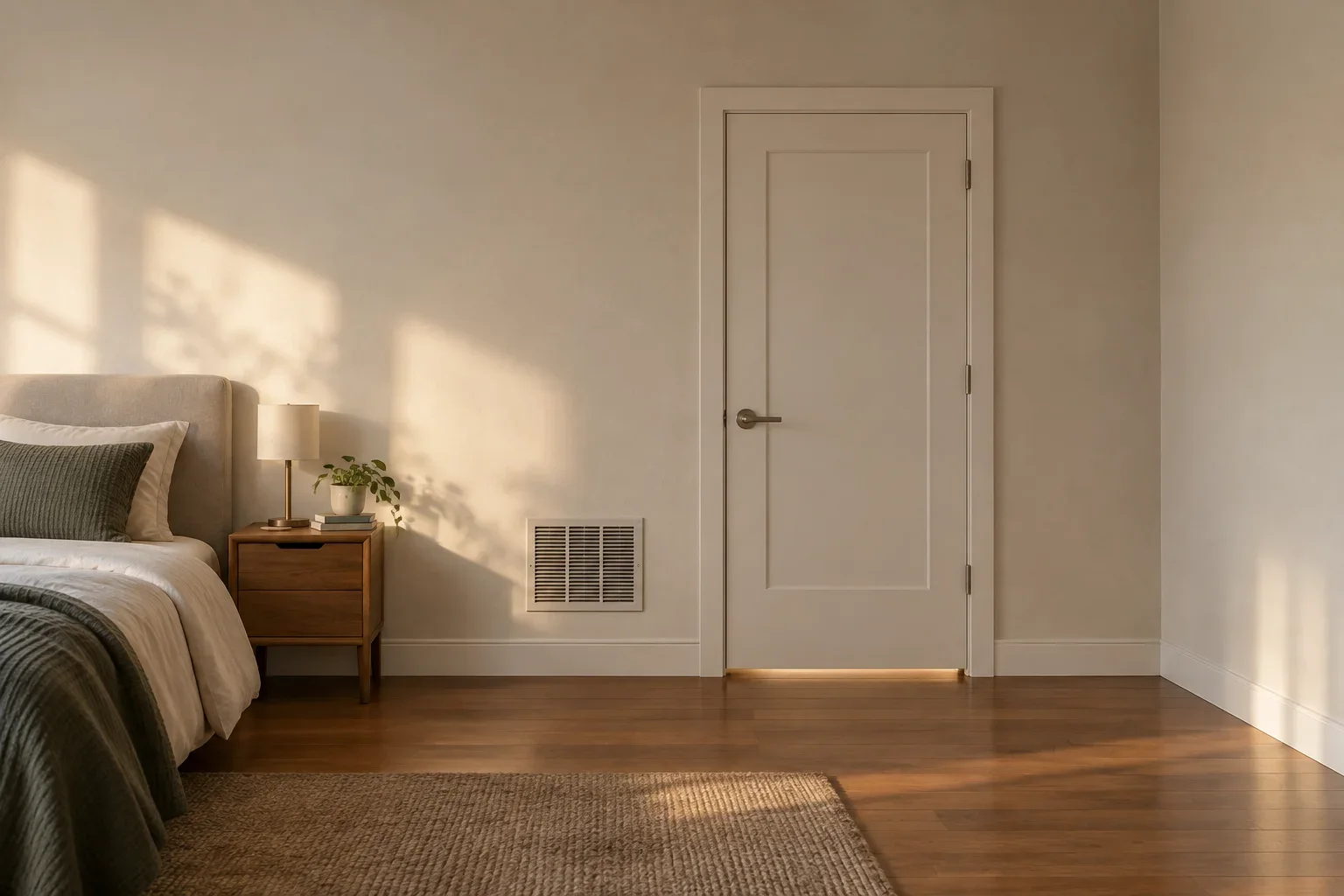
- Major systems: HVAC (including condensate line), water heater, electrical panel, plumbing supply and drain lines, and roof or exterior waterproofing.
- Safety devices: smoke alarms and any carbon monoxide alarms where applicable.
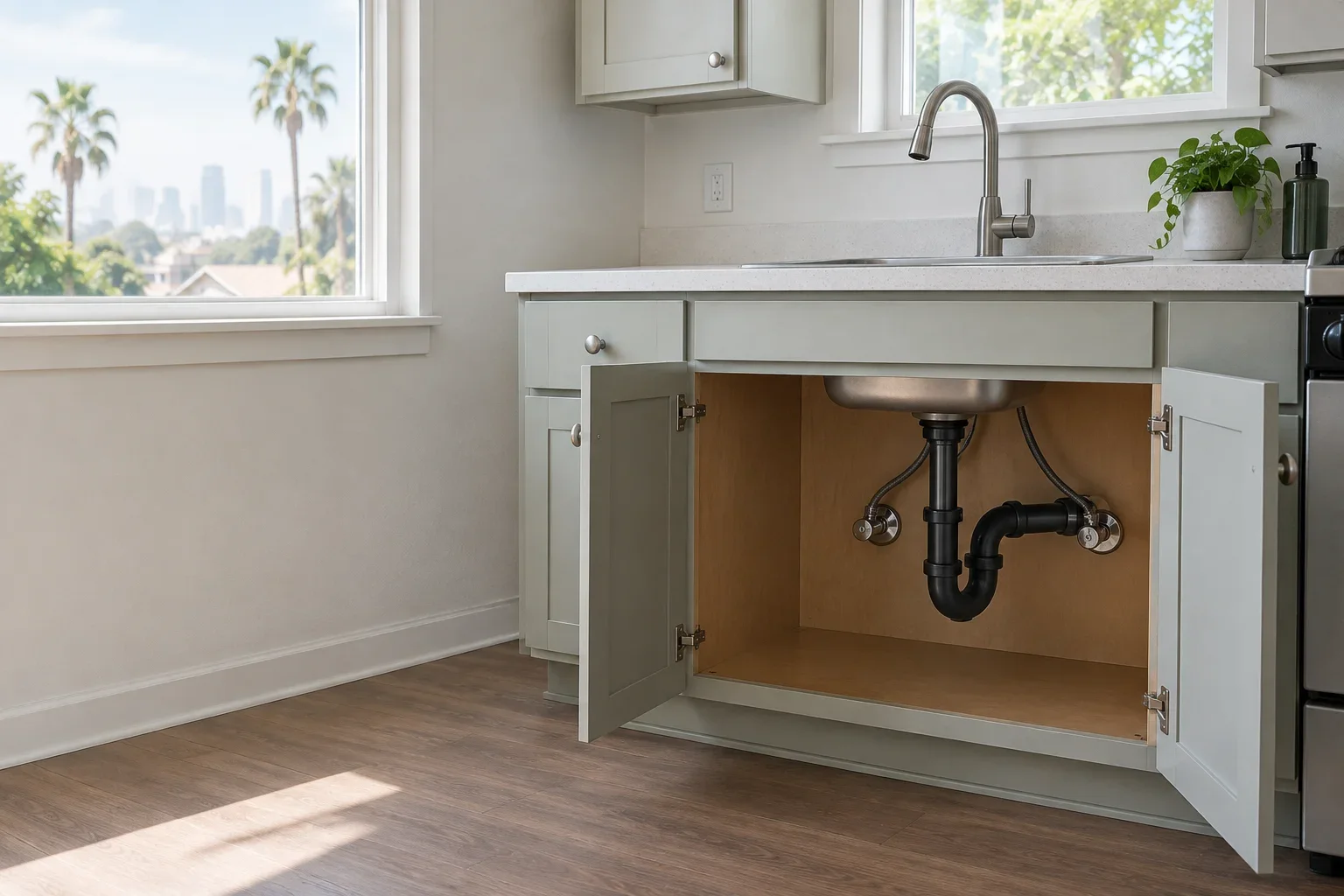
- Moisture risk points: under-sink plumbing, laundry connections, bathroom exhaust, window/door seals, irrigation interfaces, and any known leak history.
- Access and shutoffs: main water shutoff location, gas shutoff, breaker labeling, and supply shutoffs at fixtures.
- High-wear components: door hardware, faucets, shower valves, toilet fill valves, garbage disposal (if present), and GFCI outlets.
Assign each item an ID (for example, “Unit A-2 Water Heater” or “Building Main Panel”), record approximate age if you know it, and store a photo. If age is unknown, note it as “unknown” and confirm during the next scheduled service or inspection.
Group Items Into Maintenance “Cadences”
Once your inventory exists, convert it into a calendar using practical cadences. Don’t copy generic checklists blindly, use the item’s risk and failure mode to determine how often it should be checked or serviced.
Three cadences that work well for LA rentals
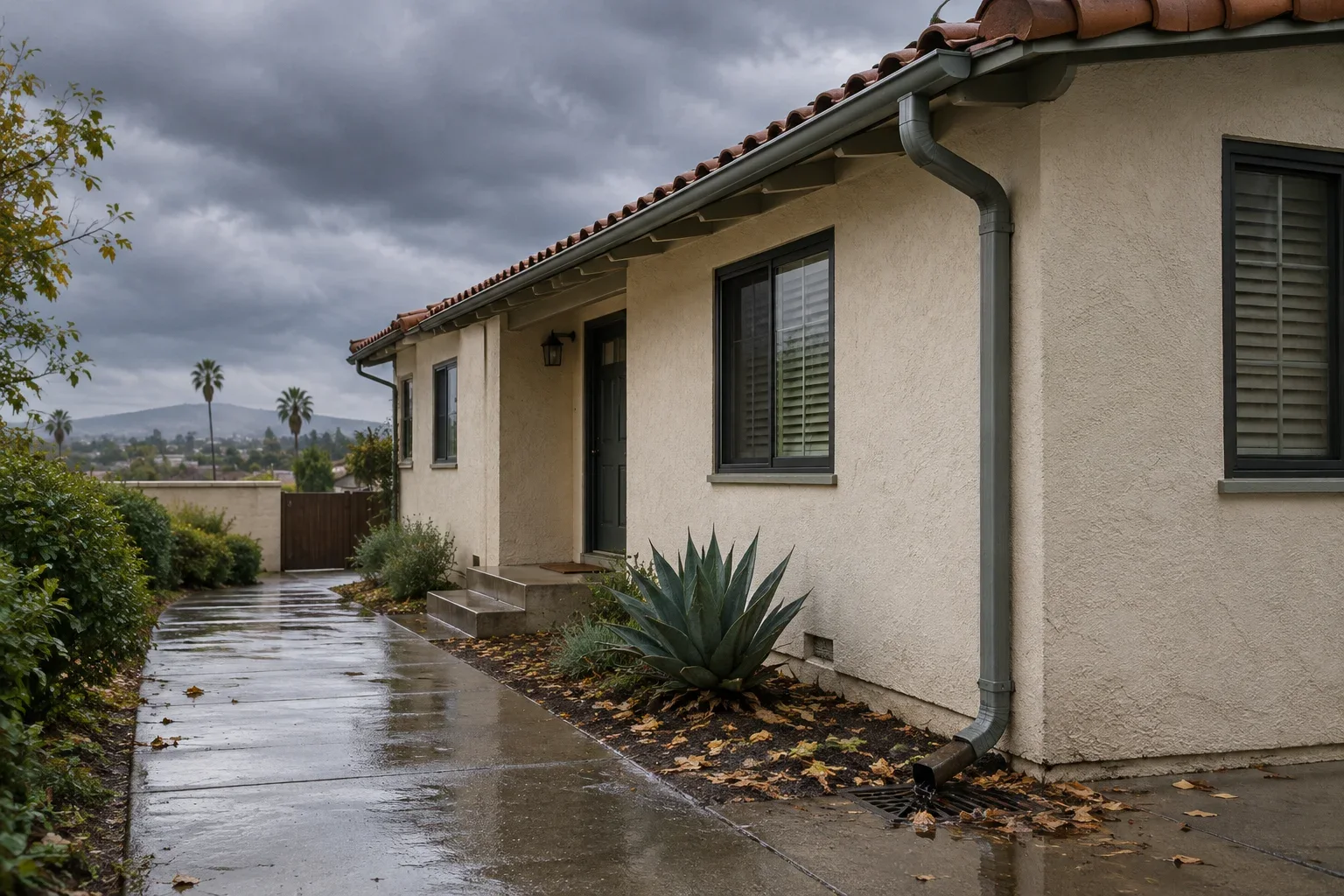
- Monthly or seasonal checks: items tenants can report and you can verify quickly (filter condition, visible leaks, bathroom fan performance, exterior drainage signs of backup).
- Quarterly to semi-annual maintenance: tasks that reduce system strain (drain cleaning for problem lines, HVAC inspection coordination, testing where required).
- Annual planned services: deeper inspection and service that benefits from scheduling and parts ordering (water heater maintenance where appropriate, safety device verification, exterior water management checks).
For safety devices, align your calendar with local requirements and inspection expectations. Los Angeles generally requires smoke detectors to be maintained in operating condition and tested on a schedule, and the city also outlines owner cost recovery for replacement in certain circumstances. Because requirements can vary by building type and device installation, confirm what applies to your property before finalizing intervals.
Build a “Trigger List” for Early Intervention
A calendar prevents many emergencies, but not all. Add a trigger list so your team moves quickly when symptoms appear. This protects tenants and keeps small issues from turning into water damage or system failures.
Common triggers that should update your maintenance calendar
- Any moisture report: update the next scheduled date for inspection of the likely source, even if the symptom seems temporarily resolved.
- HVAC drainage concerns: if tenants report water near HVAC equipment or unusual odors, treat it as a condensate or airflow issue and move related checks up.
- Repeated fixture malfunctions: if a valve fails twice in a year, it likely needs component replacement or a root-cause review.
- Safety device issues: any device that repeatedly alarms, fails, or cannot be powered should be prioritized for service, not pushed to the next cycle.
Practical example: If your tenant reports a slow sink drain twice in three months, your trigger list should pull that drain line forward for inspection and potential cleaning, and you should document findings so future cycles reflect the real risk in that area.
Plan Owner Approvals and Tenant Impact Together
A maintenance calendar breaks down when approvals, scheduling, and tenant communication are handled separately. Predefine what needs owner approval and create standard questions for high-impact repairs. Decisions happen faster, and tenants get clear scheduling entries with fewer delays.
Pre-approval rules to reduce delays
- Define thresholds: set dollar limits (for example, “owner approval required above $X”) and separate routine work from emergency work.
- Require root-cause details: ask contractors to explain the likely cause and whether they propose repair, replacement, or monitoring.
- Standardize scheduling windows: choose allowable time blocks for entry so tenants see predictable communication.
When maintenance requires entry, California law generally requires “reasonable” written notice and restricts entry to normal business hours, with limited exceptions such as emergencies or tenant consent. Civil Code Section 1954 is the key statute for landlords’ right to enter and notice structure, including how notice can be delivered. Plan your calendar assuming notice must be provided and entries should be coordinated in advance.
If you want a deeper look at how to make approvals owner-friendly and documentation-ready, review Suave’s owner guidance on approving rental repair plans: /questions-to-ask-before-approving-a-rental-repair-plan.
Document Everything, Then Review Quarterly
The calendar is only as good as the feedback loop. After each service event, document the work performed, findings, photos, parts replaced, and next recommended action. That documentation turns your plan into an evidence-based system that improves over time.
A simple quarterly review checklist
- Compare schedule vs. reality: which items were done on time, delayed, or not found?
- Track “repeat issues”: what failures happened more than once?
- Update intervals: if an item consistently needs earlier service, adjust the next cycle.
- Update your triggers: add any new tenant-reported symptom that preceded a failure.
For owners who want less friction between tenants and reporting, strong documentation is the difference between “we fixed it” and “we prevented the next failure.”
What to do next: Start with one property. Build an inventory for each unit and shared systems, then produce a 12-month maintenance calendar with cadences and triggers. After 90 days, refine based on what actually happened, and roll it forward to your other LA properties. If you want help setting up the owner-ready maintenance framework for your portfolio, Suave Management can support your residential management needs through a structured process. Learn more about our services at /services/residential.