A useful rental welcome guide gives a new tenant essential information for the first few days without changing the lease or replacing the move-in inspection. For California rental owners and managers, it should be property-specific, easy to scan, and updated when contacts, rules, devices, or utility procedures change.
Think of it as an operating manual for the home and community: explain what to do, who to contact, and where to find reliable local help.
Start With Immediate Needs
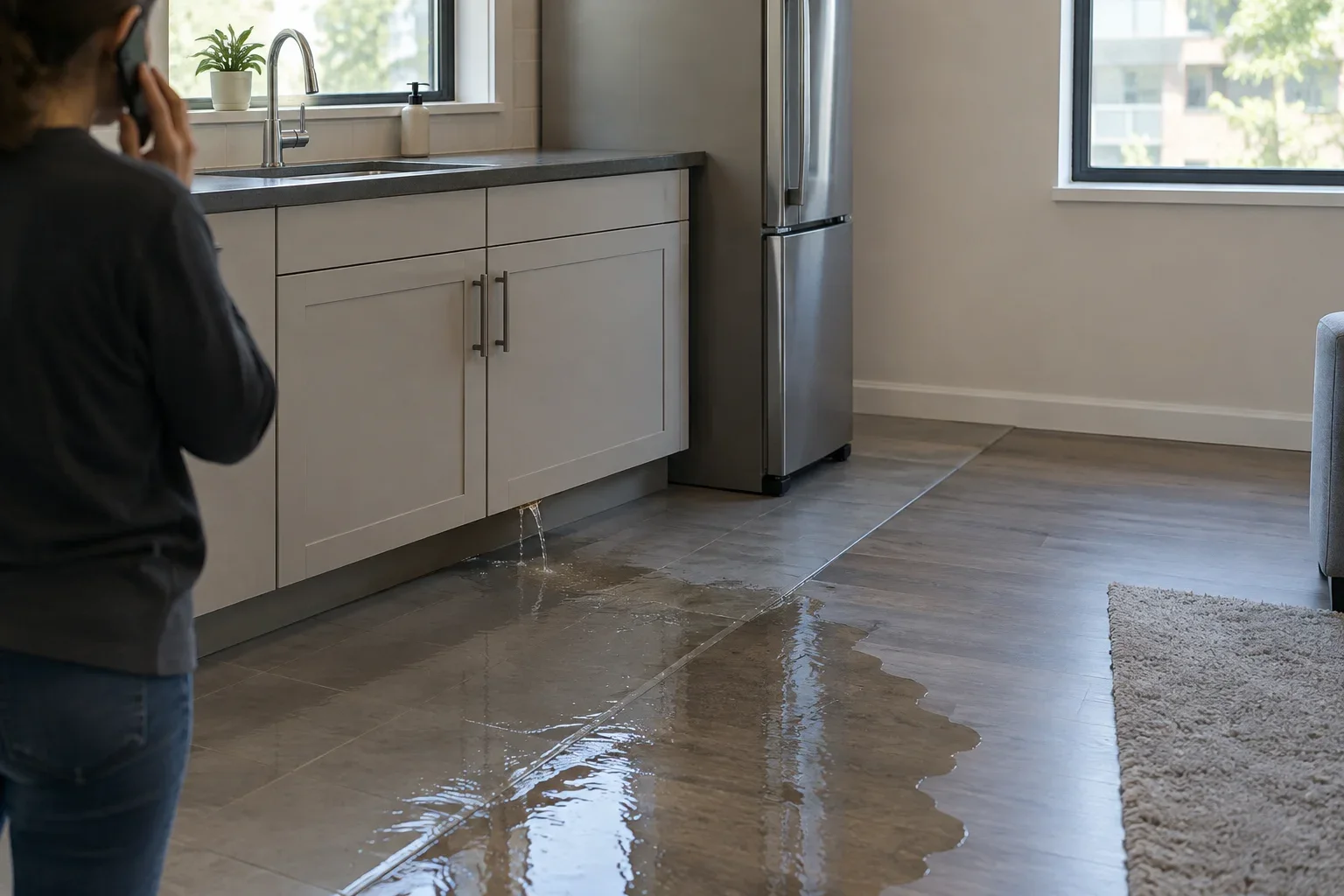
Put urgent and frequently used information first. Tenants should not have to search a long document for an emergency number or instructions for reporting a leak.
- Emergency contacts: Include 911 for life-threatening emergencies, the property manager’s emergency number, the owner or maintenance contact if appropriate, and utility outage contacts.
- Maintenance requests: Explain whether requests go through a portal, email, phone, or text. Ask for the location, description, photos, access instructions, and whether safety or habitability may be affected.
- After-hours expectations: Separate urgent problems from routine repairs. Active leaks, electrical hazards, or other serious conditions may require faster attention than a broken appliance.
- Communication: List office hours, response channels, and how tenants receive appointment or entry notices.
Encourage tenants to document repair problems and submit written requests when practical. Avoid promising response times the management team cannot consistently meet.
Explain Utilities, Trash, and Operations
Confirm responsibilities against the lease before sending the guide. Identify which utilities the tenant must place in their name, such as electricity, gas, water, sewer, internet, or trash, and provide the correct provider and service-start instructions. In the Los Angeles Department of Water and Power service area, residents can use LADWP resources to start or stop residential water and power service.
Explain shared utilities, submeters, reimbursements, or billing arrangements using the lease’s specific formula or deadline. Also list trash, recycling, and organics procedures, collection days, container locations, bulky-item rules, and prohibited materials. For properties in the City of Los Angeles, link to the current collection-day lookup, bin-sorting information, MyLA311 requests, and bulky-item process. For Burbank, Glendale, Pasadena, or other San Fernando Valley communities, use local city or contracted-hauler instructions instead.
Cover Access, Parking, and Equipment
Simple instructions can prevent lockouts and equipment damage. Include photographs when they clarify a control or device.
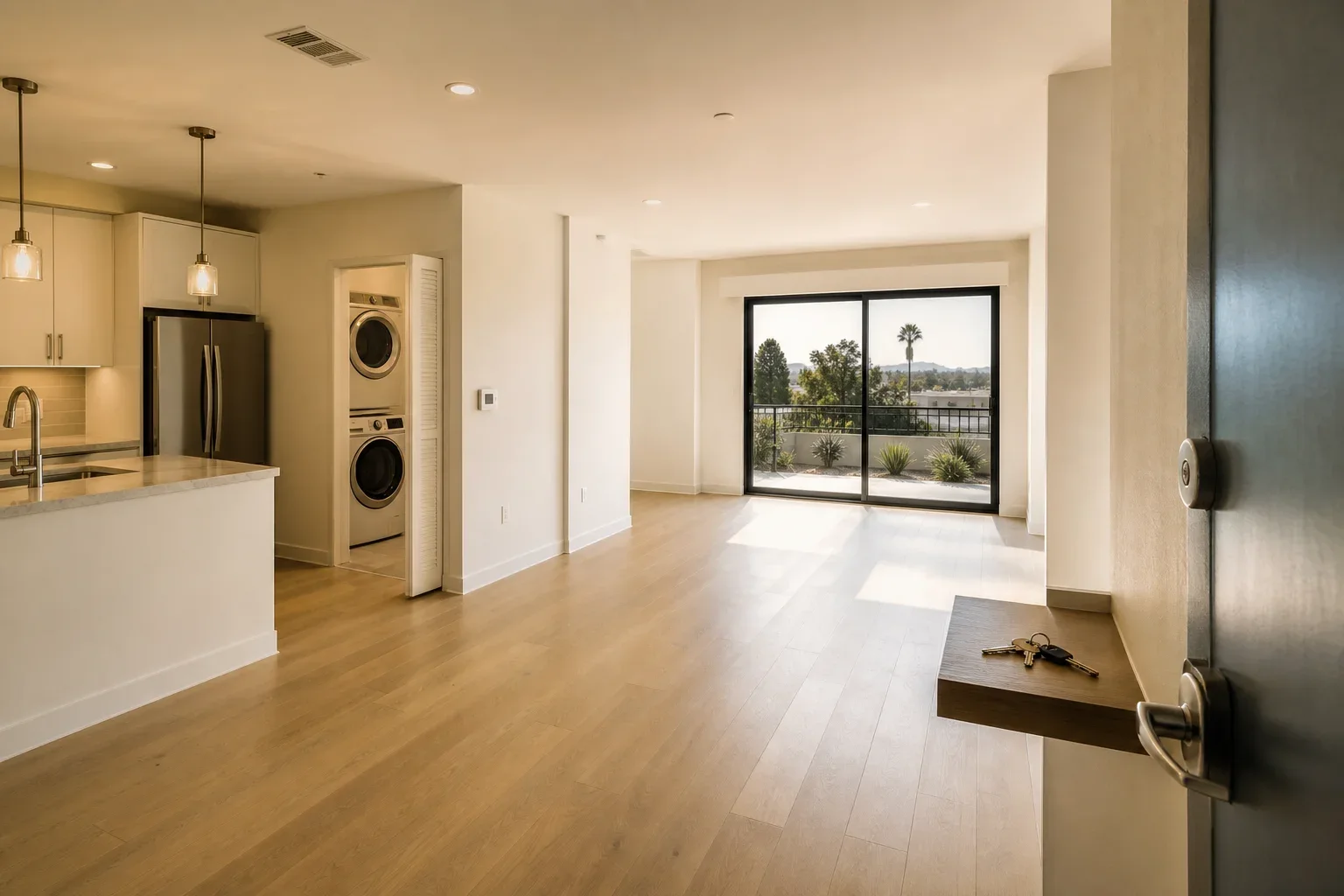
- Describe keys, remotes, fobs, gate codes, mailbox keys, and smart-lock procedures, including what to do if an access device is lost or fails.
- Identify assigned and guest parking, street-sweeping restrictions, towing rules, bicycle storage, and garage procedures. State that residents must not share access codes or permit unauthorized use of restricted areas.
- Show how to operate the thermostat, air conditioner, heater, water shutoff, electrical panel, smoke alarms, and carbon monoxide alarms.
- Provide basic care instructions for included appliances and explain which filters tenants replace and how often to check them.
- Tell residents to report unusual noises, leaks, odors, or performance problems rather than forcing a jammed disposal, repeatedly resetting equipment, or attempting electrical or gas repairs.
Verify every instruction during turnover. A welcome guide is a practical part of rental property maintenance planning because it helps residents identify small issues before they become expensive damage.
Summarize Rules Without Creating a Second Lease
Cover the day-to-day rules tenants are most likely to need, then direct them to the lease, addenda, HOA documents, or building rules for complete requirements. Include quiet hours, smoking and pet procedures, trash storage, shared amenities, guest and package procedures, move-in or move-out requirements, and balcony, yard, barbecue, storage, or alteration guidelines. Explain how to report leaks, pests, security concerns, common-area damage, and vendor or inspection visits.
Do not use the guide to create obligations or waive tenant rights. California Civil Code section 1954 limits when a landlord may enter a dwelling and generally requires reasonable written notice stating the date, approximate time, and purpose, subject to statutory exceptions. Explain the communication process without replacing lawful notice. For additional access guidance, review Suave Management’s tenant access procedures and lockout prevention playbook.
Finish With Payments and a Quality Check
Include the rent amount, due date, accepted payment methods, portal instructions, and billing contact, while stating that the lease controls if the summary differs. Add the management office contact, property address, unit number, and preferred routine communication method.
Local resources may include 211 LA for free, confidential, multilingual referrals involving housing, utility assistance, shelter, healthcare, and other basic needs. Remind residents to call 911 for life-threatening emergencies. Add nearby services only when the information is accurate and likely to remain useful.
Before delivery, confirm every phone number, email, link, code, and utility provider. Match parking, pet, trash, and payment information to signed documents; remove outdated vendor instructions; provide an accessible digital format and a reasonable alternative if needed; and ask the tenant to acknowledge receipt. Keep the signed lease and move-in inspection as separate records.
Review the guide at every turnover and after changes to the building, service providers, local procedures, or management workflow. A strong guide reduces repetitive questions, supports proper property use, and creates a clearer onboarding process.