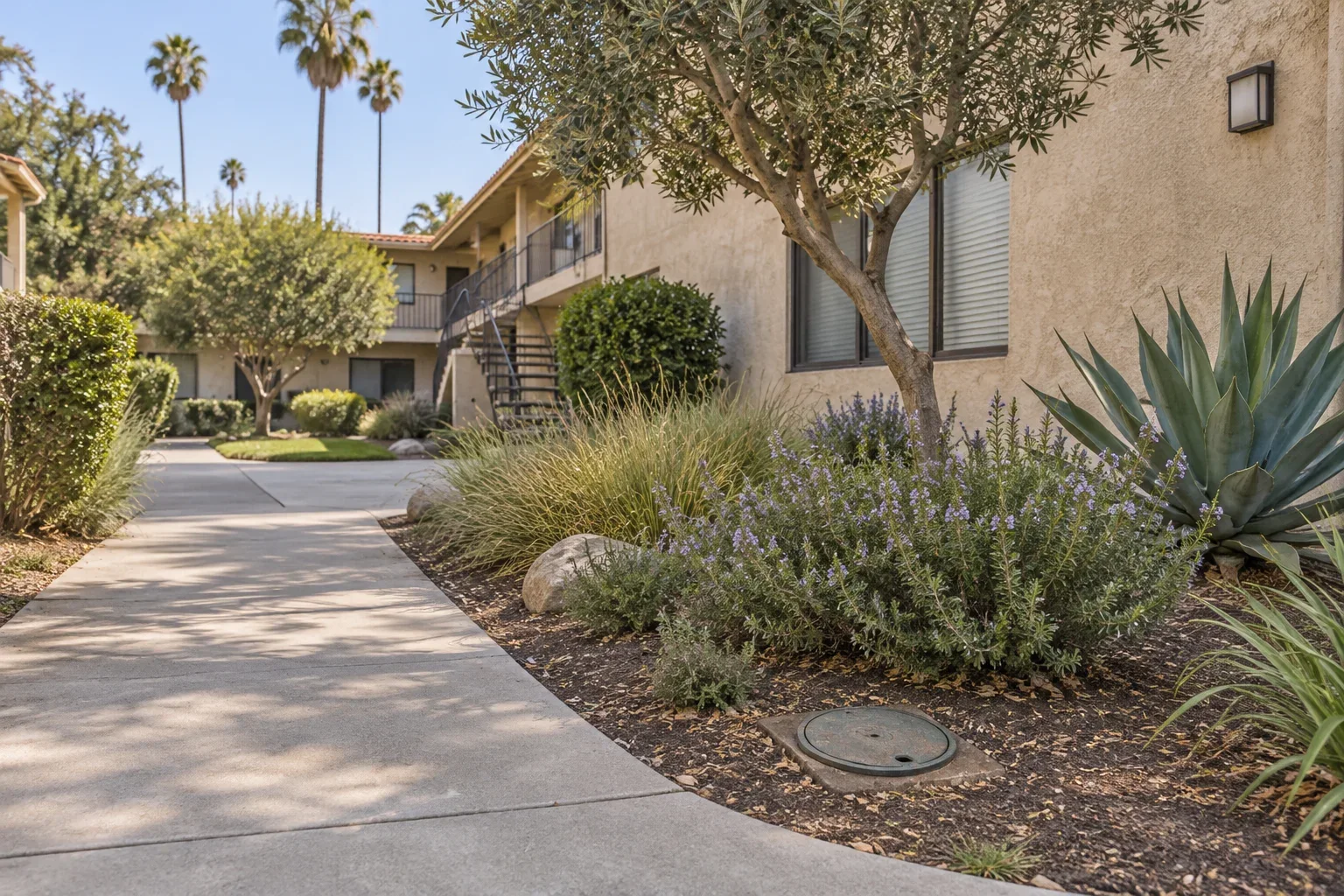
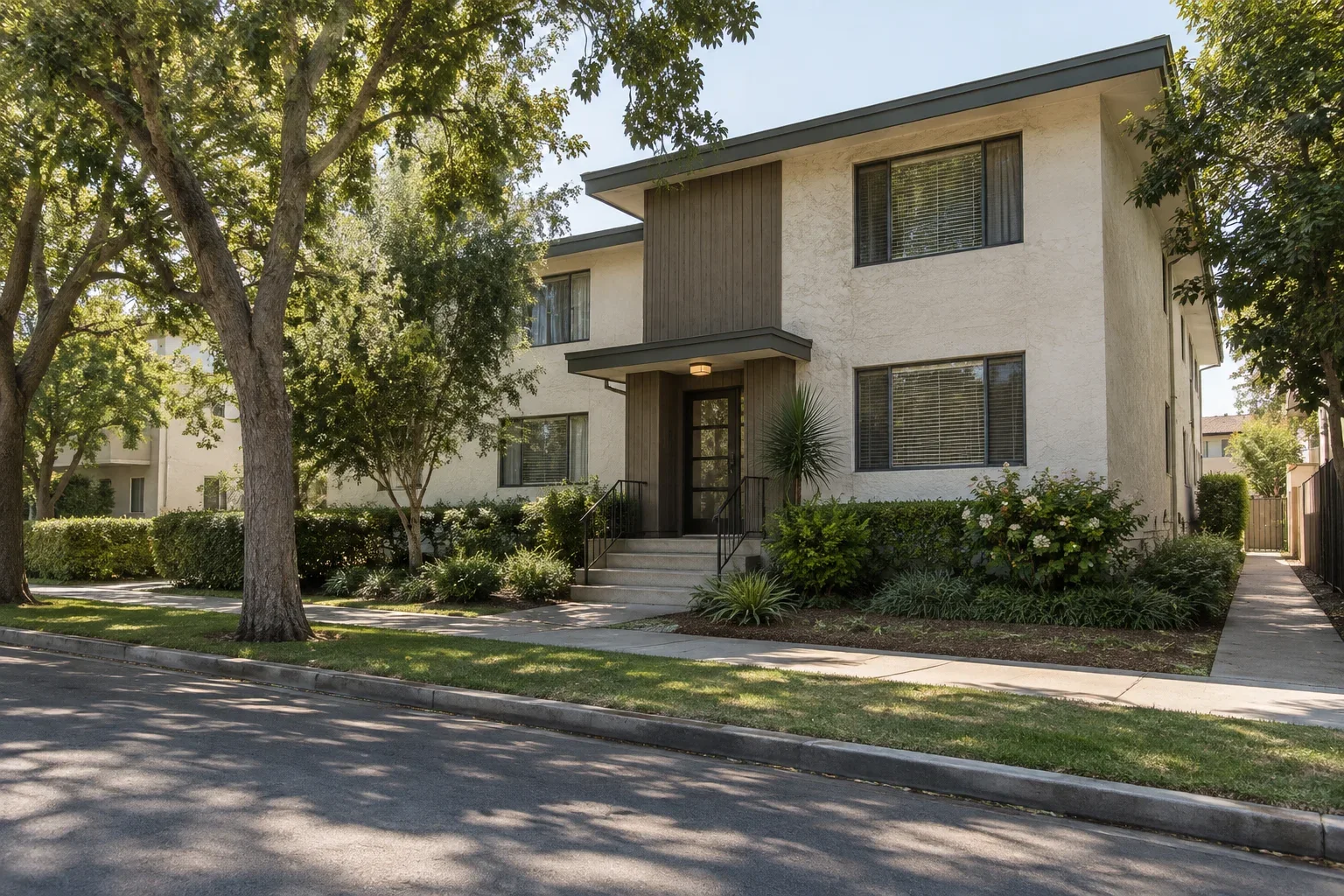
The right property manager should make ownership clearer, not harder to follow. Before hiring in Studio City or North Hollywood, verify the responsible broker’s license, compare written service and fee details, and ask who will handle leasing, maintenance, tenant communication, and owner reporting. Then compare each candidate against your property’s needs, not just a headline management rate.
Start With Licensing and Relevant Experience
In California, some property management activities require a real estate license. Ask which broker is responsible for the management work and verify the license status through the state’s public license lookup. A company’s general assurance that it is licensed is not a substitute for checking the responsible licensee.
Experience should match your property. A manager who mainly handles single-family homes may have a different process from one who regularly manages multifamily buildings or commercial space. Ask for examples of similar properties and how the team handles their day-to-day needs.
- How many properties and units does your team manage, and who would be my day-to-day contact?
- Who covers urgent issues when that contact is unavailable?
- What experience do you have with properties similar in size and type to mine?
- How do you keep staff, owners, and residents informed when an issue is unresolved?
For a property near the boundary of a service area, ask who will attend inspections, leasing appointments, or urgent maintenance calls. A clear answer about responsibility and response procedures is more useful than a vague promise of local coverage.
Compare the Full Scope and Cost
Request a written proposal and management agreement. Make sure the listed services match what you expect, and ask about charges beyond the recurring management fee. Clarify whether leasing, renewals, inspections, notices, project coordination, or after-hours responses cost extra.
Ask for a sample owner statement with private information removed. Check whether it clearly shows rent received, expenses, management charges, and the balance payable to you. Ask when statements and owner disbursements are typically issued, how owners can question an entry, and what records are available for a repair.
- Is the management fee calculated on rent collected, rent due, or another basis?
- Are there leasing, renewal, setup, cancellation, or vacancy-related fees?
- Can the manager approve repairs up to a set amount without contacting me?
- Will I receive estimates or notice before work above that limit?
- How are vendor relationships, invoices, and any maintenance charges disclosed?
Do not compare proposals by percentage alone. One fee may include leasing or routine coordination that another bills separately. Compare the same services, assumptions, and likely owner responsibilities side by side.
Test the Leasing and Maintenance Process
Ask the candidate to walk through a real-world scenario: a resident reports a leak after hours, or a vacant unit needs work before marketing. Listen for a practical sequence: how the report is logged, who assesses urgency, when the owner is contacted, how vendors are selected, and what documentation follows.
For leasing, ask how the manager sets an asking rent, markets the home, handles applications, applies screening criteria consistently, and communicates decisions. Request a sample listing and a plain-language outline of the screening process. Avoid promises of a particular vacancy period or renter outcome, since results depend on the property and circumstances.
For maintenance, ask how residents submit requests and how owners can track progress. Before approving a repair, you should be able to understand the proposed work, cost, timing, and any alternatives when appropriate. A useful starting point is this guide to reviewing rental property vendor invoices.
Read the Agreement Before You Sign
Confirm the agreement’s term, renewal language, termination procedure, notice period, and any charges owed when management ends. Check who holds property records, keys, resident communications, and any funds during a transition. Ask how existing maintenance requests and open leasing matters will be handed off.
Pay particular attention to rent and security deposit handling. Ask how funds are accounted for, when owner statements are delivered, and how you can get a property-level ledger. California rules can depend on the activity and arrangement, so ask the manager to explain its process and have an attorney review contract language or legal questions when needed.
If you are replacing a current manager, plan the handoff before giving notice. This manager-transition checklist outlines records and resident communication to coordinate.
Make a Side-by-Side Decision
Use the same questions with every candidate and record the answers. A simple scorecard can keep an appealing presentation from outweighing important operational details:
- Verification: Is the responsible licensee identified and verifiable?
- Coverage: Is the day-to-day contact and backup plan clear?
- Transparency: Are fees, repair approvals, and reporting explained in writing?
- Fit: Does the manager have a process suited to your property type and goals?
- Exit: Can you understand how to end the agreement and transfer records?
Compare management services for Studio City properties and North Hollywood rental management as you gather proposals. Before signing, ask for any verbal promise to be added to the written agreement. If a fee, approval threshold, or handoff duty remains unclear, get clarification first.