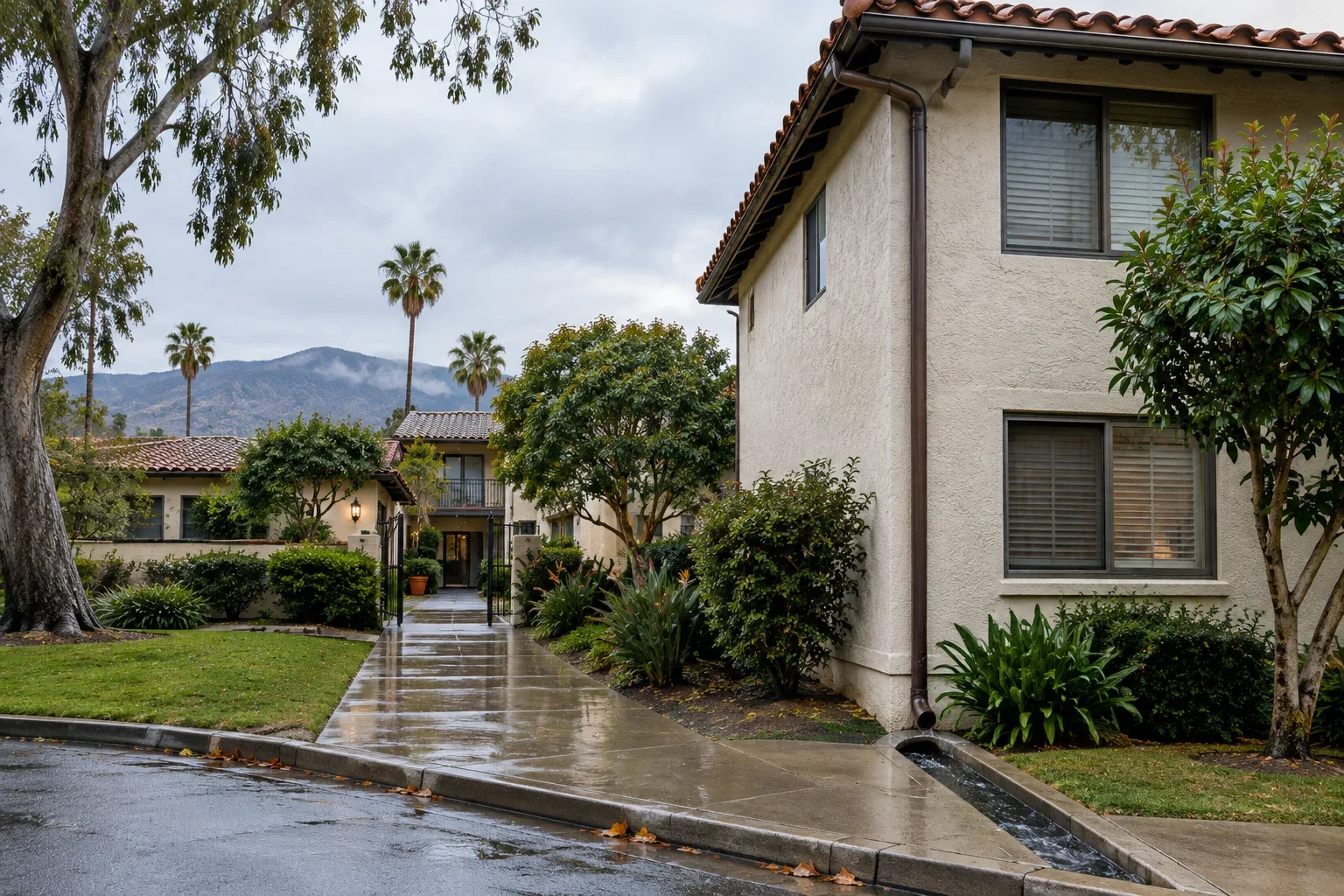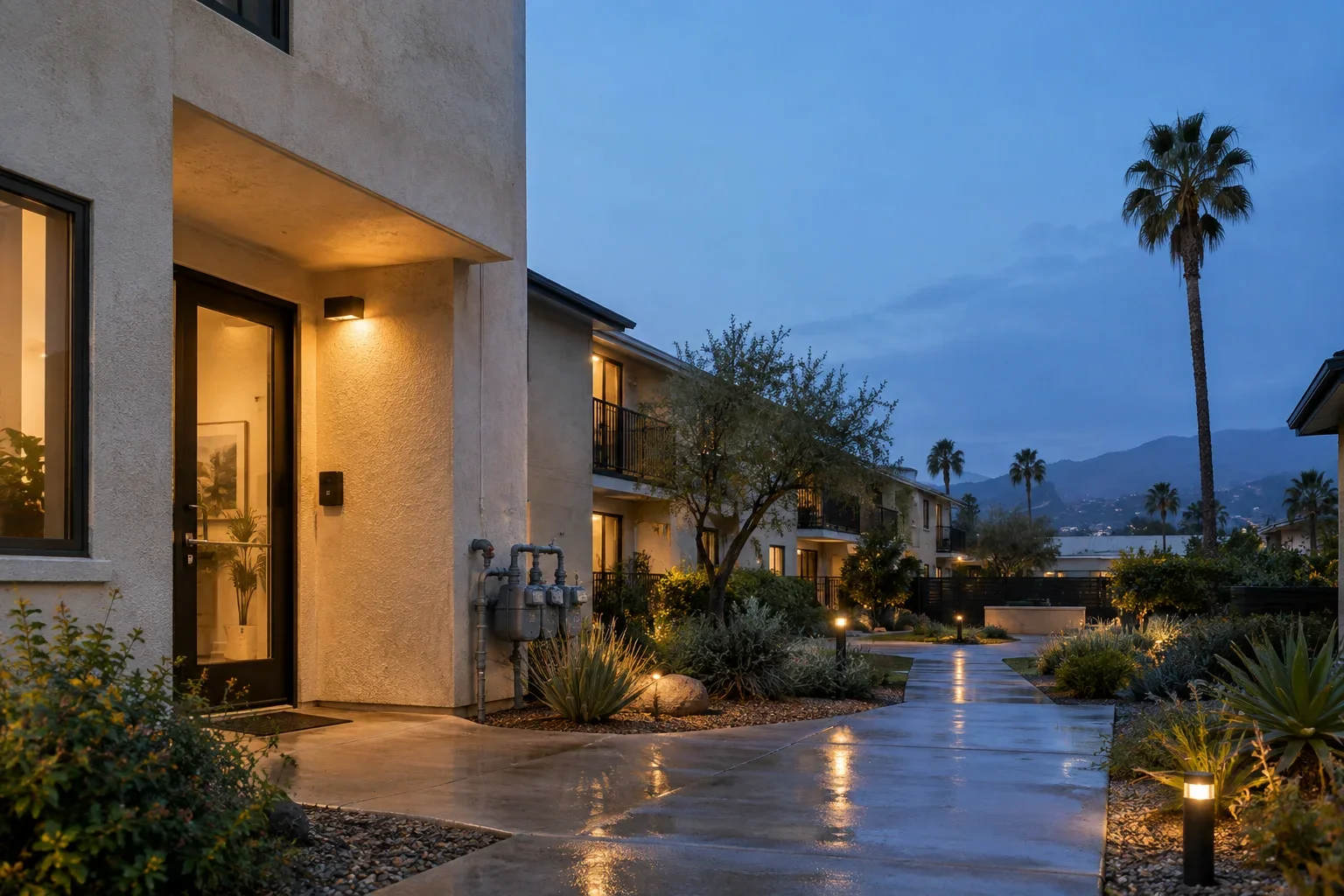
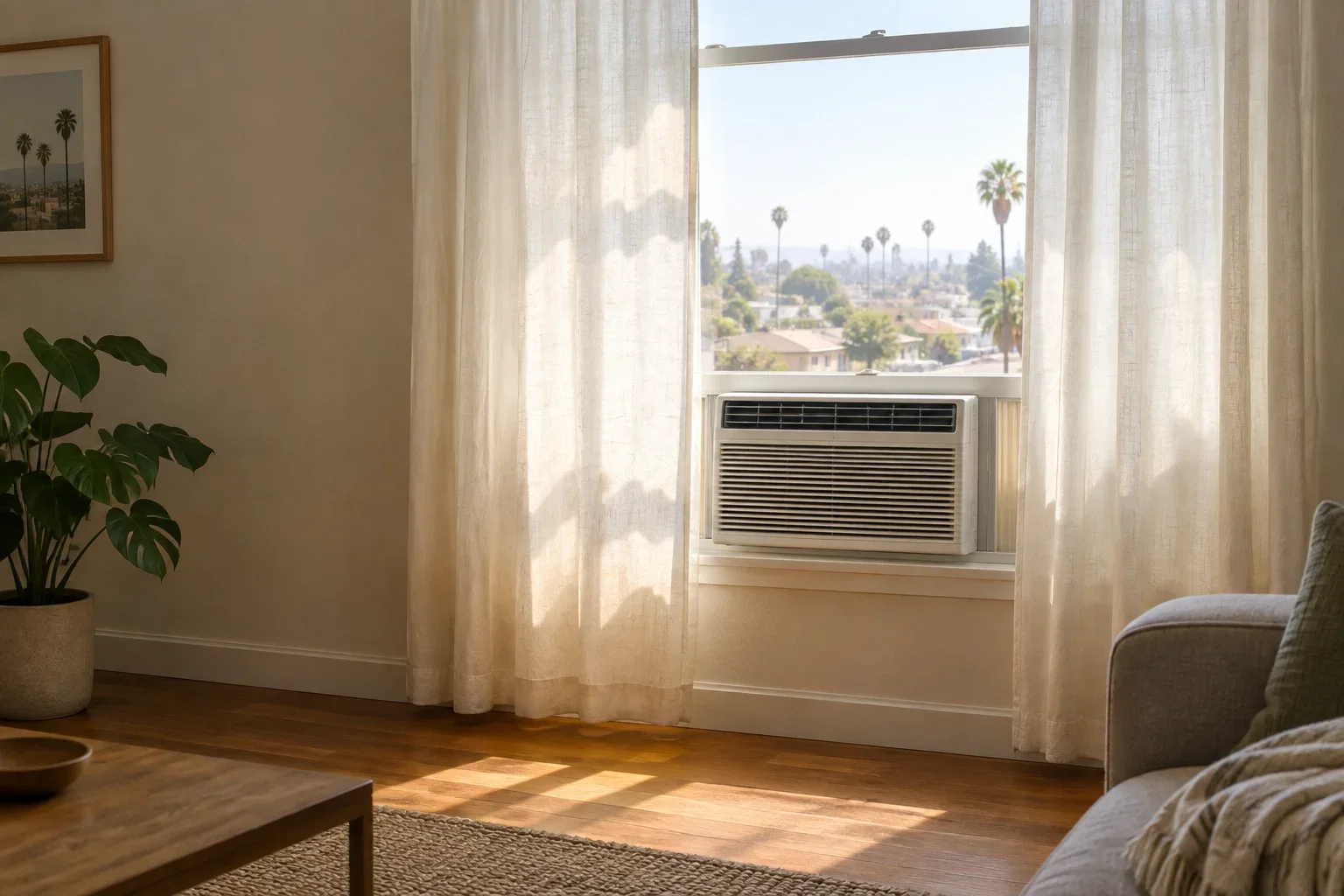
Before a heat wave, owners and property managers should test installed cooling equipment, reduce direct sun where practical, give residents clear operating and reporting instructions, and confirm who can respond to a breakdown. During extreme heat, treat a cooling failure as time-sensitive: check on the resident, arrange prompt assessment, and document each step. A fan alone may not be enough when temperatures are very high, especially for someone at elevated risk.
Check cooling equipment and reduce indoor heat
Schedule a preventive check before the forecast turns severe. Confirm the system starts, cools, and shuts off normally. Replace or clean filters according to the equipment instructions, check accessible condensate drains, and look for blocked outdoor units or unusual sounds. Ask a qualified technician to assess recurring problems, refrigerant concerns, or electrical faults rather than asking residents to troubleshoot them.
- Test each installed air conditioner or central system, including thermostats and controls.
- Check that windows and doors close properly and that screens or window-unit seals are intact.
- Identify west- and south-facing windows where working blinds, curtains, or other safe shade can reduce direct sun.
- For shared spaces, check ventilation, cooling equipment, and any posted access instructions.
Do not block vents or place items against outdoor equipment. For portable or window units, follow manufacturer instructions and applicable electrical and building-safety requirements. A property’s seasonal inspection calendar can help owners assign these checks before the hottest months.
Send residents useful, realistic guidance
Share a short heat plan as soon as a heat advisory or extreme-heat forecast is expected. Tell residents how to submit an urgent maintenance request, which phone number to use after hours, and what information helps dispatch a technician: unit number, callback number, whether the system runs, and any error message. Explain how to operate the installed equipment without promising a particular indoor temperature or suggesting that residents attempt repairs.
Encourage residents to close window coverings during direct sun, keep cooling vents clear, and use appliances that add heat sparingly during the hottest part of the day. A fan can improve comfort, but it should not be presented as a substitute for effective cooling during dangerous heat. Residents without working cooling can contact 211 LA County to find local cooling-center information; advise them to verify the location and hours before traveling.
Plan support and vendor coverage
Before a heat event, confirm which HVAC vendors are available after hours, how to authorize emergency work, and who can provide property access. Keep current contact details and unit-specific equipment notes in one place. If a vendor is unavailable, know the backup plan rather than starting the search after a failure. A written rental emergency contact plan can clarify who receives reports and who makes decisions.
Invite residents to tell management if they may need extra support during an outage, without asking for unnecessary private medical details. Prioritize a prompt check-in when a resident says they are medically vulnerable, isolated, unable to leave, or experiencing symptoms. Older adults, young children, and people with certain health conditions can face greater heat-related risk. If someone shows confusion, fainting, or other signs of a medical emergency, call 911 rather than waiting for a maintenance visit.
Respond quickly when cooling fails
When a resident reports a breakdown during extreme heat, acknowledge the message, confirm their current situation, and dispatch an appropriate technician promptly. Ask whether anyone is in immediate danger and whether the unit has another safe cooling option. If conditions appear unsafe or the resident reports concerning symptoms, direct them to emergency services or a cooler location as appropriate. Do not make medical judgments or guarantee that a repair will be completed by a specific time before the vendor confirms it.
California landlords must maintain habitable housing, but whether a particular cooling problem creates a legal obligation depends on the facts, the rental agreement, installed equipment, and applicable local requirements. Do not assume that every rental has the same cooling obligation. If a system supplied with the unit fails, or a resident raises a health or habitability concern, get qualified legal guidance when needed and do not delay a reasonable assessment.
Document the work and close the loop
Keep the resident’s report, timestamps, response attempts, vendor dispatch details, diagnosis, approvals, invoices, and repair completion notes. Record any temporary steps offered, such as access to a cooled common area where available or information about local cooling resources. Share realistic updates with the resident, including delays and the next expected contact. After service, confirm whether cooling has been restored and whether follow-up work is needed.
- Before: test equipment, reduce sun exposure, verify vendor and backup contacts.
- During: communicate, assess risk, dispatch help, and escalate medical emergencies.
- After: confirm the outcome, save records, and schedule repairs that prevent a repeat failure.
A concise plan helps owners act consistently and helps residents know what to expect. Review it after each heat event, especially if a delayed repair, unclear contact path, or repeat equipment issue exposed a gap.